Why the FA Cup Final Still Matters in Modern Football
“`html
The FA Cup Final: A Historic Showdown Where Glory Outweighs the Trophies
The FA Cup Final stands as English football’s most iconic domestic fixture, a one-off clash where David and Goliath narratives collide under the gaze of 89,000 fans at Wembley Stadium. Unlike league campaigns measured in 38-game marathons, the final delivers a single 90-minute verdict that can immortalise players in club folklore or consign them to eternal “nearly” status. This year’s edition promises the same drama, with underdogs dreaming of giant-slaying glory and established clubs chasing the oldest competition in world football.
But beyond the silverware lies a deeper significance. The FA Cup Final isn’t just a match—it’s a cultural moment. It unites generations, revives local pride, and occasionally reshapes careers. For neutrals, it offers unpredictability; for purists, it preserves tradition. As we approach another final, it’s worth examining what makes this game so special, how it has evolved, and why it still holds a unique place in the sporting calendar.
The History and Legacy of the FA Cup Final
First played in 1871–72, the FA Cup predates football’s professional era and even the Football League itself. The first final, contested between Wanderers and Royal Engineers at Kennington Oval, set the tone: a small, amateur side defeating a military team 1–0. That David vs Goliath spirit remains embedded in the competition’s DNA. Over 150 years later, the final still delivers shocks—Wigan Athletic’s 2013 triumph over Manchester City ranks among the greatest upsets in sporting history.
The final has moved from Kennington Oval to Crystal Palace’s grounds, then to the Empire Stadium at Wembley in 1923—famously the “White Horse Final” where mounted police cleared a pitch invaded by 200,000 fans. The tradition of singing “Abide With Me” before kick-off began in 1927, adding a spiritual dimension to the occasion. While the venue has changed—Wembley was rebuilt in 2007—the final retains its aura of timelessness.
One of the competition’s enduring strengths is its inclusivity. Non-league clubs like Blyth Spartans, Sutton United, and AFC Wimbledon have all graced the final stages, proving that one inspired afternoon can rewrite a club’s destiny. This openness contrasts sharply with the Champions League’s closed-shop format, reinforcing the FA Cup as football’s great equaliser.
Why the Final Still Matters in the Modern Game
In an era dominated by globalised football, where club owners, investors, and billion-dollar TV deals dictate narratives, the FA Cup Final offers something rare: authenticity. It’s the only major domestic final where the result isn’t determined by league position or financial muscle. A run to the final can revitalise a manager’s reputation overnight—just ask Mikel Arteta, whose 2020 triumph with Arsenal signalled a new era at the Emirates.
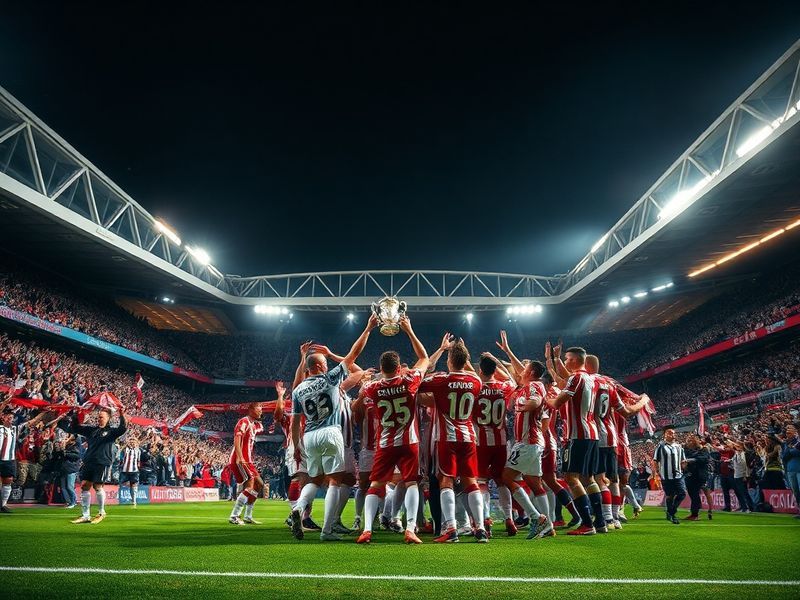
For players, lifting the trophy remains one of football’s purest joys. Unlike league titles, which often feel like foregone conclusions for the elite, the FA Cup demands peak performance on a single day. Jamie Vardy’s dramatic winner for Leicester in 2021, scored in front of 20,000 jubilant Foxes fans, encapsulated this magic. Moments like these are why many players cite the FA Cup as their proudest achievement.
The final also serves as a stage for tactical innovation. Managers often use it to experiment with formations, deploy fringe players, or unleash young talent. Pep Guardiola’s decision to start 19-year-old Rico Lewis in the 2023 final against Manchester United wasn’t just a gamble—it reflected a belief in youth pathways over star power. Such choices highlight how the FA Cup remains a laboratory for football’s future.
- Unpredictability: No seeding, no guaranteed route—any club can face any other.
- Cultural resonance: It connects communities, revives local pride, and transcends sport.
- Player legacy: A single match can define careers and secure immortality in club history.
- Tactical freedom: Managers often use the final to test new ideas or reward academy graduates.
- Global reach: Broadcast to over 200 territories, the final remains football’s most-watched domestic final.
The Commercial and Media Impact of the Final
The FA Cup Final isn’t just a sporting event—it’s a commercial juggernaut. For broadcasters, it delivers guaranteed drama and a built-in audience. ITV and BBC have shared coverage for decades, with peak viewing figures exceeding 10 million in recent years. The final’s slot in the calendar—traditionally the last weekend of May—also makes it a cultural bookend to the season, a moment of reflection before the summer transfer window.
Sponsorship deals around the final have grown in sophistication. While the trophy itself remains understated, partners like Budweiser and EE leverage the final’s emotional pull to launch campaigns centred on hope, underdogs, and community. Even the pre-match entertainment—from choir performances to flyovers—has become part of the spectacle, reflecting football’s evolution from grassroots to global entertainment.
Yet the commercialisation debate persists. Critics argue that the FA Cup’s traditional roots are being diluted by increased revenue demands. The introduction of VAR, while improving officiating, has also lengthened the competition’s schedule, raising concerns about fixture congestion for smaller clubs. Meanwhile, the rise of the EFL Trophy and Premier League winter tournaments has diluted the FA Cup’s uniqueness, prompting calls for reform to protect its heritage.
What’s Next for the FA Cup Final? Tradition vs Evolution
The FA Cup Final faces a crossroads. On one hand, its history and unpredictability give it unrivalled cultural value. On the other, the modern football calendar is increasingly crowded, and the competition’s prestige risks being overshadowed by commercial priorities. The FA’s recent decision to trial a winter final in 2024–25 aims to reduce fixture congestion but has sparked mixed reactions. Traditionalists see it as a step too far, while pragmatists argue it’s a necessary adaptation.
Technology will also play a bigger role. Semi-automated offside technology, already used in the Premier League, is being considered for the FA Cup, aiming to speed up decisions and reduce controversy. Yet such changes must be balanced with preserving the competition’s human element—the rawness of local rivalries, the drama of giant killings, and the sheer unpredictability that makes the final so compelling.
Looking ahead, the FA Cup Final’s future may lie in reasserting its core values: inclusivity, romance, and authenticity. In a football landscape dominated by financial power, the final remains a reminder of why the game was invented—not for profit, but for passion. Whether it’s a non-league side lifting the trophy or a superstar scoring a last-minute winner, the final’s magic endures.
A Final Thought
The FA Cup Final is more than a match. It’s a living archive of football’s past, present, and future. It celebrates the ordinary alongside the extraordinary, the amateur alongside the elite. In an age of algorithmic football, where data often trumps instinct, the final offers something rarer: belief. And in the end, that might be its greatest legacy of all.
For fans, the final is a yearly pilgrimage. For players, it’s a chance to etch their names into history. For football itself, it’s a reminder that the game’s soul still beats strongest in the oldest competition of them all.
As another Wembley final approaches, one thing is certain: the magic hasn’t faded. It’s still there—in the nerves, the songs, the single moment that can change everything.
And that’s why we’ll all be watching.