Last updated: June 5, 2025
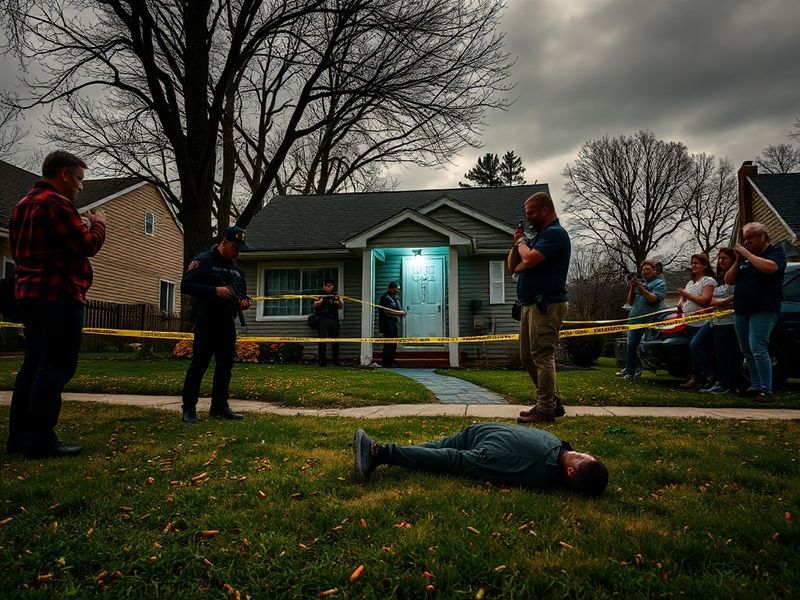
The city of Bloomington, Indiana, found itself at the center of a developing crisis on May 29, 2025, when a shooting incident at a local nightlife district left multiple people injured and sent shockwaves through the community. Authorities have since launched a comprehensive investigation, while residents grapple with the emotional and practical implications of the event.
Timeline of the Incident
According to official statements from the Bloomington Police Department, the shooting began around 11:47 PM near the intersection of Fourth and Walnut Streets in the heart of the city’s entertainment district. Multiple responding officers arrived within minutes, establishing a perimeter and initiating emergency medical protocols.
The situation remained fluid for several hours. Police confirmed six individuals were transported to local hospitals with non-life-threatening injuries. Authorities later identified the suspect as a 24-year-old Bloomington resident, though motive remains unclear pending further investigation.
- 11:47 PM: First 911 call received
- 11:52 PM: First officers arrive on scene
- 12:05 AM: Active shooter situation declared resolved
- 1:30 AM: All injured parties accounted for
- May 30: Police release suspect’s name and initial details
Community Response and Safety Measures
In the aftermath, Bloomington’s mayor held an emergency press conference emphasizing the city’s commitment to public safety. “Our top priority is ensuring residents feel secure while maintaining the vibrant character of our downtown,” the mayor stated. Local businesses temporarily closed their doors, though most reopened within 24 hours with increased security presence.
The Indiana University Police Department, which shares jurisdiction in the area due to the university’s proximity, coordinated closely with city law enforcement. Campus officials issued a safety alert urging students to avoid the affected area and report any suspicious activity immediately.
Community leaders organized a candlelight vigil the following evening, drawing hundreds of attendees. The event served as both a memorial and a show of unity. “This isn’t just about the shooting,” said one local pastor. “It’s about coming together when our community faces darkness.”
Broader Implications for Public Safety
While Bloomington has historically maintained a lower violent crime rate than similarly sized cities, this incident raises questions about the evolving nature of public safety threats. Law enforcement experts note that even cities with strong community-police relations can experience sudden, unpredictable violence.
Indiana University’s criminal justice department chair commented on the incident’s potential impact: “Events like this often lead to discussions about resource allocation, mental health intervention strategies, and the effectiveness of current emergency response protocols.” The university has since announced plans to host a public forum on campus safety in the fall semester.
State legislators have begun reviewing existing public safety legislation, with particular focus on nightlife district regulations. Some proposals include enhanced surveillance requirements and mandatory security personnel for venues serving alcohol after midnight.
Lessons from Similar Incidents Nationwide
This isn’t the first time a college town has faced such a crisis. Comparisons emerge to incidents in Ann Arbor, Michigan (2022) and Chapel Hill, North Carolina (2021), where similar circumstances led to lasting changes in local policing and emergency response strategies.
Key takeaways from these cases include:
- The importance of rapid information sharing between law enforcement agencies
- Community trust in police response being as critical as the response itself
- The role of social media in both spreading misinformation and coordinating real-time updates
- Long-term mental health support for both victims and first responders
Bloomington’s leaders appear determined to learn from these precedents. The police department has already begun reviewing body camera footage and dispatch records to identify any potential areas for improvement in their response protocol.
Looking Ahead: What Comes Next
As the investigation continues, the community faces a period of uncertainty. The suspect remains in custody without bond, and prosecutors have not yet filed formal charges. Meanwhile, affected businesses are assessing damage and potential insurance claims.
For residents, the incident serves as a reminder of the fragility of community safety. Yet it also demonstrates the resilience of local institutions. Within 48 hours of the shooting, downtown merchants had organized a “Bloomington Strong” promotional campaign to encourage continued support of local businesses.
The coming weeks will likely bring more information about the shooter’s motives and any potential failures in security protocols. For now, Bloomington’s healing process continues, marked by both quiet reflection and determined community action.
As one resident put it during the vigil, “We’ve weathered storms before. This won’t break us.”
For ongoing updates on this developing story, follow Dave’s Locker News and Dave’s Locker Analysis sections.
Disclaimer: This article is based on publicly available information and may be updated as more details emerge.