Nestled in the heart of North Texas, Fort Worth stands as a city where the spirit of the Old West collides with the dynamism of contemporary urban life. Often overshadowed by its larger neighbor Dallas, Fort Worth has carved out its own identity—a blend of cowboy culture, world-class museums, and a burgeoning culinary scene. With a population of nearly 950,000, it ranks as the 12th-largest city in the United States, yet its charm lies in its manageable scale and unwavering authenticity.
Founded in 1849 as an army outpost on the Trinity River, Fort Worth began as a rough-and-tumble frontier town where cattle drives passed through on their way to Kansas railroads. Today, that legacy is preserved in the Stockyards National Historic District, a living museum of Western heritage that draws visitors from around the globe. Walking its wooden sidewalks, you can still hear the lowing of longhorn cattle and the crack of a whip in the distance—a reminder of a bygone era that shaped the city’s character.
The Stockyards: A Living Monument to the Old West
The Fort Worth Stockyards isn’t just a tourist attraction; it’s a cultural institution. Established in 1866, the Stockyards became one of the nation’s most important livestock markets, earning Fort Worth the nickname “Cowtown.” While the cattle trade has waned, the area remains a vibrant hub where visitors can experience rodeos, cattle drives, and honky-tonk music seven days a week.
Every Friday, Saturday, and Sunday at 4 p.m., the Fort Worth Herd conducts its famous cattle drive down Exchange Avenue. Led by real cowboys in traditional dress, a group of longhorns parades past cheering onlookers—a tradition that has continued since 1947. The Stockyards also hosts the world’s only twice-daily cattle auction, where you can watch ranchers bid on livestock in a scene unchanged for over a century.
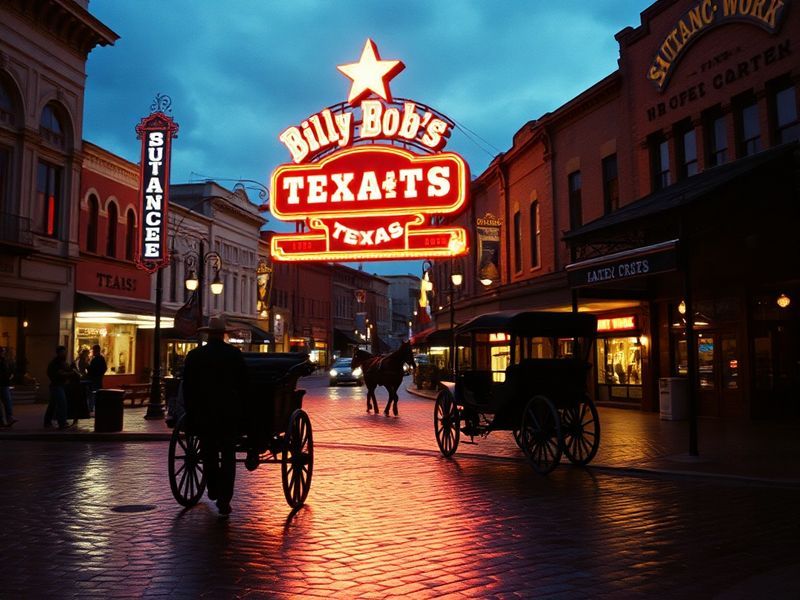
Beyond the cattle, the Stockyards boasts some of the best honky-tonk bars in Texas. Billy Bob’s Texas, the world’s largest honky-tonk, draws major country music acts and has hosted legends like Willie Nelson and George Strait. The venue’s massive indoor arena and outdoor amphitheater make it a year-round destination for live music. Nearby, Riscky’s Steakhouse has served cowboys and celebrities alike since 1921, serving up thick, juicy cuts of Texas beef in a no-frills setting.
A Thriving Arts and Culture Scene
Fort Worth’s cultural offerings extend far beyond its cowboy roots. The city has quietly become a major arts destination, anchored by the renowned Kimbell Art Museum and the Modern Art Museum of Fort Worth. The Kimbell, designed by Louis Kahn, houses an impressive collection that spans from ancient to modern, including works by Caravaggio, Rembrandt, and Picasso. Its smaller scale and free admission policy make it accessible to all.
The Modern Art Museum, with its striking concrete-and-glass structure, focuses on post-World War II art and features pieces by Andy Warhol, Jackson Pollock, and Cindy Sherman. Both museums are located in the Cultural District, which also includes the Amon Carter Museum of American Art and the Bass Performance Hall—a stunning venue that hosts the Fort Worth Symphony Orchestra, Texas Ballet Theater, and touring Broadway shows.
Fort Worth’s commitment to the arts is further evident in its support of local creatives. The Artspace at 1820 is a mixed-use arts complex that provides studios, galleries, and performance spaces for emerging artists. The city’s First Friday event draws thousands every month, transforming the Near Southside into an open-air gallery with live music, food trucks, and pop-up exhibitions.
The Rise of a Culinary Capital
Food in Fort Worth is a story of tradition and innovation. The city’s culinary scene is deeply rooted in Texas barbecue, where pitmasters have perfected the art of slow-smoked brisket, ribs, and sausage. Franklin Barbecue, though based in Austin, has a strong following in Fort Worth, but local legends like Riscky’s and Angelo’s Uptown have been serving Central Texas-style barbecue for decades. For a more modern take, Heim Barbecue offers brisket with a smoky, peppery crust and creative sides like burnt ends mac and cheese.
Fort Worth’s dining landscape has expanded rapidly in recent years, reflecting the city’s growing diversity and ambition. James Beard Award-winning chef Jon Bonnell has elevated the city’s food scene with his namesake restaurant, Bonnell’s, which showcases seasonal American cuisine. Meanwhile, places like Taco Denton and Velvet Taco highlight the city’s love for fusion and creativity, blending global flavors with local ingredients.
Fort Worth’s craft beer scene is also gaining recognition. The city is home to over 30 breweries, from established names like Rahr & Sons Brewing Company—one of the largest craft breweries in Texas—to smaller, experimental spots like Panther Island Brewing, located along the Trinity River. The annual Fort Worth Beer Festival draws thousands of enthusiasts, offering a chance to sample beers from across the state.
Economic Growth and Urban Transformation
Fort Worth’s economy has long been tied to the energy sector, particularly oil and gas. The city is home to major corporations like Energy Transfer Partners and BHP Billiton, and its proximity to the Barnett Shale made it a key player in the fracking boom. While energy remains a cornerstone, Fort Worth is actively diversifying its economic base.
The city has invested heavily in downtown revitalization, with projects like the $250 million Panther Island redevelopment transforming the Trinity River into a vibrant urban center. The project includes new parks, trails, and residential and commercial spaces, aiming to reconnect downtown with the river—a natural feature that has long been underutilized. The completion of the Panther Island Amphitheater and the expansion of the Tarrant County College campus are just two examples of how the area is evolving.
Healthcare is another growing sector. Texas Health Resources and Baylor Scott & White Health have major operations in Fort Worth, contributing to the city’s reputation as a regional medical hub. The University of North Texas Health Science Center is also expanding its footprint, focusing on research in aging, vision, and public health.
Despite its growth, Fort Worth has managed to avoid the over-commercialization that plagues some larger cities. Zoning laws and a strong sense of community have preserved the city’s neighborhoods, from the historic homes of the Cultural District to the bungalows of the Fairmount area. Efforts to promote walkability, such as the expansion of bike lanes and the development of the Trinity Trails, are making the city more livable.
Sports and Community Life
Sports play a central role in Fort Worth’s identity. The city is home to the Texas Rangers’ minor-league affiliate, the Fort Worth Cats, who play at historic LaGrave Field. While the team has faced challenges in recent years, its return in 2023 marked a renewed commitment to bringing professional baseball back to the city. For college sports, TCU (Texas Christian University) is a major draw, especially with its football team’s recent success under coach Sonny Dykes. The Horned Frogs’ games at Amon G. Carter Stadium are a highlight of the fall season, drawing crowds of over 45,000.
Fort Worth’s community spirit is also evident in its festivals and events. The Fort Worth Stock Show and Rodeo, held every January and February, is one of the largest indoor rodeos in the world, featuring livestock competitions, concerts, and carnival rides. The event draws nearly a million visitors annually and supports local agriculture and youth programs. The Main Street Arts Festival, held each spring, transforms downtown into an open-air gallery with over 200 artists, live music, and food vendors.
For families, the Fort Worth Zoo is a perennial favorite, consistently ranked among the best in the nation for its conservation efforts and interactive exhibits. The museum district offers educational experiences for all ages, from the Fort Worth Museum of Science and History to the Fort Worth Nature Center and Refuge, a 3,600-acre wilderness area within city limits.
Why Fort Worth Stands Out
Fort Worth’s appeal lies in its balance—between past and present, tradition and innovation. It’s a city that respects its history but isn’t afraid to reinvent itself. Whether you’re sipping whiskey at a historic saloon, exploring world-class art, or cheering on a TCU football game, Fort Worth offers a sense of place that feels both timeless and fresh.
For those considering a move or planning a visit, Fort Worth delivers authenticity without pretension. It’s a city where you can wear cowboy boots to a fine-dining restaurant, where a casual conversation with a local might lead to an invitation to a backyard barbecue, and where the skyline is framed by both historic brick buildings and sleek new high-rises. In an era of homogenization, Fort Worth remains unapologetically itself—a city that proudly wears its cowboy hat while embracing the future.
Explore more Texas destinations and cultural insights on Dave’s Locker Travel.
For in-depth analysis of urban development trends, visit Dave’s Locker Analysis.