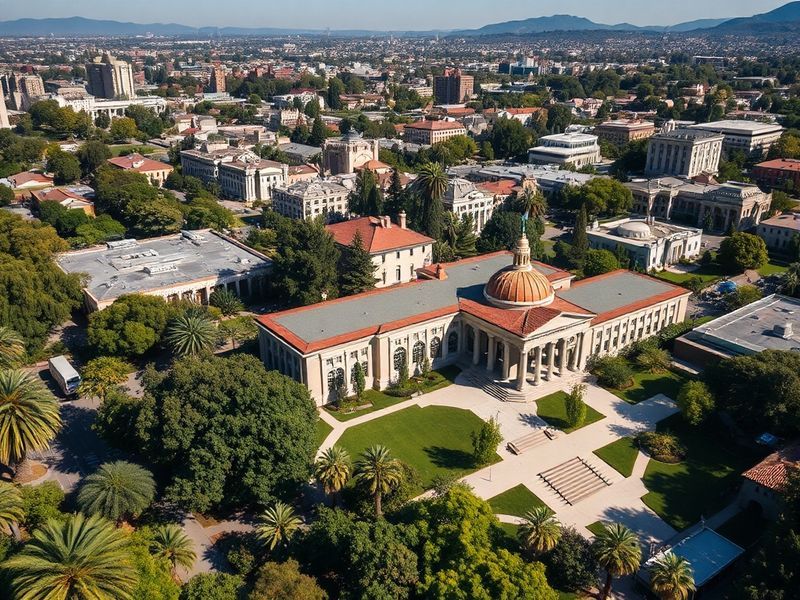
California Institute of Technology, commonly known as Caltech, is one of the world’s most prestigious institutions for science and engineering. Founded in 1891 in Pasadena, California, the university has built a reputation for pushing the boundaries of human knowledge. With a student body of just over 2,000 and a faculty-to-student ratio of 3:1, Caltech offers an intimate yet rigorous academic environment.
Unlike larger universities, Caltech focuses intensely on STEM fields, producing groundbreaking research and Nobel laureates at an extraordinary rate. Its influence extends far beyond academia, shaping industries, space exploration, and even everyday technology. But what makes Caltech so uniquely impactful?
The Culture of Excellence and Collaboration
Caltech’s culture revolves around intellectual curiosity and hands-on problem-solving. The university operates on a quarter system, allowing students to dive deep into specialized courses quickly. This fast-paced academic environment fosters a sense of urgency and dedication among students and faculty alike.
Collaboration is another cornerstone of the Caltech experience. The university hosts numerous interdisciplinary research centers, such as the Division of Geological and Planetary Sciences, where physicists, chemists, and engineers work together on projects ranging from earthquake prediction to quantum computing. This collaborative spirit is evident in the annual Caltech Space Challenge, where students design missions to Mars or asteroid mining operations.
The honor code, a tradition since the 1920s, reinforces integrity and mutual respect. Students take ownership of their work, knowing that plagiarism or dishonesty undermines the trust that defines the Caltech community. This emphasis on ethics and excellence has shaped generations of scientists and engineers who go on to lead in their fields.
Breakthrough Research and Nobel-Winning Legacy
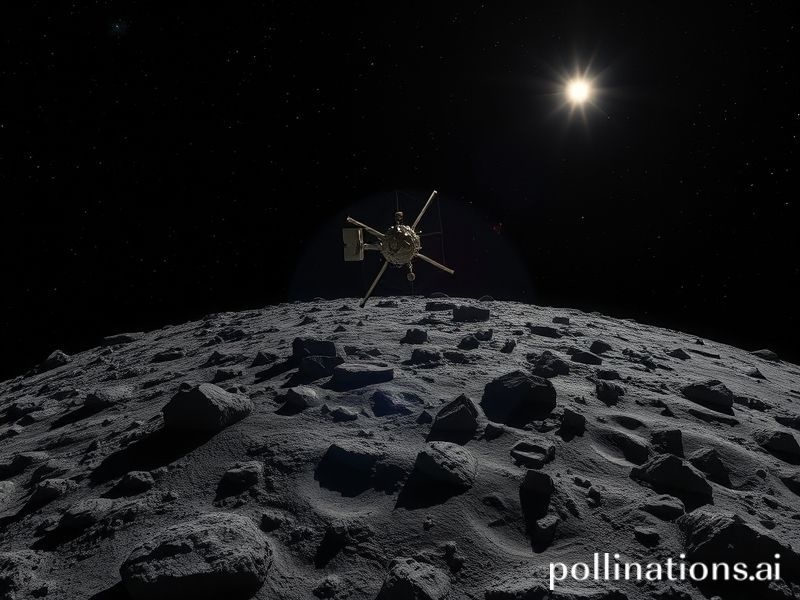
Caltech’s research output is staggering. The university is home to NASA’s Jet Propulsion Laboratory (JPL), which has designed and managed missions like the Mars rovers and Voyager spacecraft. This partnership ensures that Caltech students and faculty are at the forefront of space exploration.
The university has produced 46 Nobel laureates, more per capita than any other institution. Recent laureates include Kip Thorne, whose work on gravitational waves earned him the 2017 Nobel Prize in Physics, and Frances Arnold, who won the 2018 Nobel Prize in Chemistry for her pioneering work in directed evolution. These achievements highlight Caltech’s role as a global leader in scientific discovery.
Research at Caltech spans a wide range of fields, from astrophysics to bioengineering. The university’s Beckman Institute, for example, focuses on molecular and materials science, while the Tianqiao and Chrissy Chen Institute for Neuroscience explores the mysteries of the human brain. This diversity of research ensures that Caltech remains at the cutting edge of innovation.
Key Research Areas at Caltech
- Quantum Science and Technology: Caltech leads in quantum computing, with researchers like John Preskill exploring the potential of quantum supremacy.
- Sustainable Energy: Projects like the Liquid Sunlight Alliance aim to turn sunlight into liquid fuels, addressing global energy challenges.
- Neuroscience: The Chen Institute brings together biologists, engineers, and computer scientists to unravel the complexities of the brain.
- Planetary Science: Caltech’s Seismo Lab monitors earthquakes and develops early warning systems, while its astronomers discover new exoplanets.
Life at Caltech: Small Campus, Big Opportunities
Despite its small size, Caltech offers a vibrant campus life. The university is known for its quirky traditions, such as the annual “Ditch Day,” where seniors prank incoming students, and the “Millikan Pumpkin Drop,” where pumpkins are dropped from a tower to test physics principles.
Housing at Caltech is guaranteed for all four years, with options ranging from traditional dorms to cooperative houses like the famous “Dabney House,” known for its communal meals and strong sense of community. The dining halls emphasize healthy, locally sourced food, reflecting Caltech’s commitment to sustainability.
Extracurricular activities are plentiful, from the Caltech Robotics Team, which competes in international competitions, to the Caltech Outing Club, which organizes hiking and camping trips in the nearby San Gabriel Mountains. These activities provide students with a much-needed break from their rigorous academic schedules.
The Caltech Alumni Association is one of the most active in the world, with graduates going on to lead companies like SpaceX, Google, and Tesla. This network provides current students with mentorship, internship opportunities, and career guidance, ensuring that a Caltech degree opens doors worldwide.
The Future of Caltech: Expanding Horizons
Caltech continues to evolve, with recent initiatives focusing on expanding its research capabilities and global reach. The university has launched the Resnick Sustainability Institute, which brings together scientists and policymakers to tackle climate change. Another major project is the Caltech Space Solar Power Project, which aims to harvest solar energy in space and beam it back to Earth.
International partnerships are also a priority. Caltech has established research collaborations with institutions in Europe, Asia, and Latin America, fostering a global exchange of ideas. These partnerships ensure that Caltech remains a leader in addressing the world’s most pressing challenges.
The university is also investing in its infrastructure, with new facilities like the Dr. Allen and Charlotte Ginsburg Center for Quantum Precision Measurement. This center will house state-of-the-art labs and provide a hub for quantum research, further solidifying Caltech’s reputation as a pioneer in the field.
As Caltech looks to the future, it remains committed to its core values: excellence, collaboration, and innovation. Whether it’s sending a rover to Mars, unlocking the secrets of the universe, or developing sustainable energy solutions, Caltech continues to shape the world in profound ways.
Why Caltech Matters
Caltech’s impact extends far beyond its campus in Pasadena. Its alumni and faculty have revolutionized industries, advanced human understanding, and inspired the next generation of scientists and engineers. In an era where science and technology are more critical than ever, Caltech stands as a beacon of innovation and intellectual rigor.
For students considering a career in STEM, Caltech offers an unparalleled education and a supportive community that fosters creativity and discovery. For the world at large, Caltech’s research and innovations provide solutions to some of humanity’s greatest challenges.
As the university continues to push the boundaries of what is possible, one thing is certain: Caltech will remain a driving force in science and technology for generations to come.