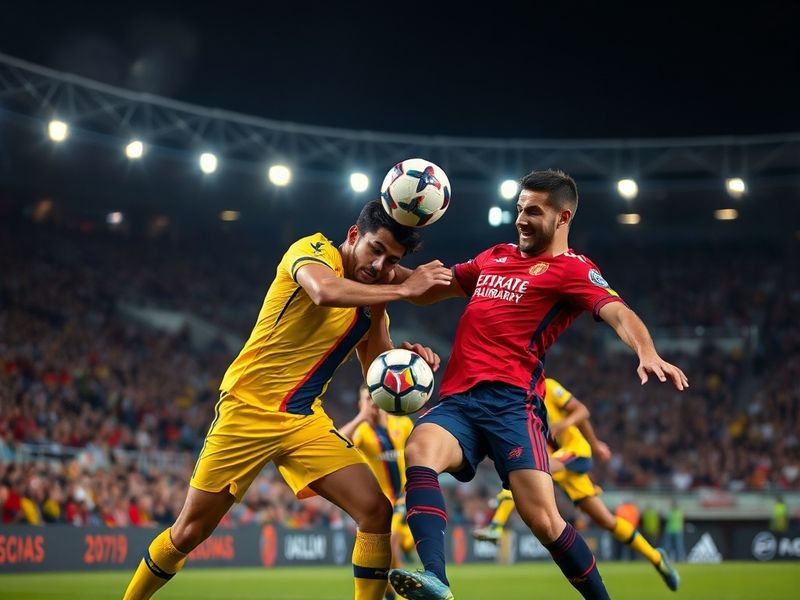
The clash between Galatasaray and Fenerbahçe is more than just a football match—it’s a cultural event that divides a nation. Known as the Intercontinental Derby or Kıtalararası Derbi in Turkish, this fixture transcends sport, embedding itself in the social fabric of Turkey. With roots stretching back over a century, the rivalry between these Istanbul-based giants is steeped in history, politics, and identity. Fans don’t just support clubs; they represent neighborhoods, class divisions, and even political ideologies.
This article explores the origins of the rivalry, key moments in its history, the current state of both clubs, and what the future may hold for one of football’s most intense fixtures.
The Origins of a Legendary Rivalry
Galatasaray was founded in 1905 by students at the prestigious Galatasaray High School, a legacy of the Ottoman Empire’s educational ties to France. Fenerbahçe, on the other hand, came into being in 1907, created by a group of local youths in the Kadıköy district on the Asian side of Istanbul. The geographical split—Galatasaray representing Europe, Fenerbahçe Asia—quickly became symbolic of the divide between the two clubs.
The first official match between the two sides was played in January 1909, but the rivalry truly intensified during the 1930s, when both clubs became dominant forces in Turkish football. It was during this era that the term Kıtalararası Derbi was coined, referencing the continental divide between the two teams’ fanbases.
Over the decades, the rivalry evolved beyond the pitch. Galatasaray, with its elite, cosmopolitan roots, often drew support from Istanbul’s upper and middle classes. Fenerbahçe, rooted in the working-class neighborhoods of Kadıköy, became a symbol of resistance and local pride. These identities still resonate today, shaping how fans view themselves—and each other.
Defining Moments in the Derby’s History
The Galatasaray vs Fenerbahçe rivalry has produced countless unforgettable moments, from last-minute winners to contentious refereeing decisions and dramatic relegations. One of the most pivotal games took place in 1996, when Galatasaray defeated Fenerbahçe 4-1 in the Turkish Cup final. This match is often cited as the turning point that heralded Galatasaray’s rise as a European force, culminating in their UEFA Cup and UEFA Super Cup triumphs in 2000.
Another defining chapter came in 2011, when Fenerbahçe were deducted points due to a match-fixing scandal, effectively ending their title challenge. Galatasaray capitalized on the chaos, securing the Süper Lig title and cementing their status as Istanbul’s top club for the season. The decision also fueled accusations of bias against Fenerbahçe, further deepening the divide between the two fanbases.
On the pitch, individual performances have also left indelible marks. Hakan Şükür, known as the “Bull of Bosphorus,” scored a record 249 goals in his career, many of them in derbies. His iconic celebration after scoring in the 2000 UEFA Cup final—where he kissed his wedding ring—remains one of the most iconic moments in Turkish football history.
Fan Culture: Passion, Identity, and Excess
No analysis of the Galatasaray vs Fenerbahçe rivalry is complete without acknowledging the role of the ultras. Groups like Galatasaray’s Ultraslan and Fenerbahçe’s Fenerbahçe UltrAslan are known for their elaborate choreography, pyrotechnics, and unwavering loyalty. Matches at the Şükrü Saracoğlu Stadium (Fenerbahçe) and Nef Stadium (Galatasaray) are electric atmospheres, where fans sing for 90 minutes, wave banners, and create a visual spectacle.
The ultras also play a significant role in the clubs’ social and political narratives. Fenerbahçe’s fanbase has long been associated with left-wing politics, while Galatasaray’s supporters often reflect a more centrist or cosmopolitan worldview. These alignments occasionally spill into the stands, with political slogans and chants becoming part of the matchday experience.
The Current Landscape: Where Do the Clubs Stand Now?
As of the 2023–24 season, Galatasaray remains the more successful club in European competitions, while Fenerbahçe has struggled with inconsistency in domestic and continental tournaments. Galatasaray won the Süper Lig in the 2022–23 season, their 23rd league title, under the guidance of manager Okan Buruk. The club has also invested heavily in youth development, with players like Mauro Icardi and Dries Mertens forming the backbone of their attack.
Fenerbahçe, meanwhile, has undergone a period of transition. After years of financial instability and managerial changes, the club appointed İsmail Kartal as manager in 2023, aiming to restore stability and competitive form. Despite winning the Turkish Cup in 2023, Fenerbahçe’s league performances have been inconsistent, and their European campaigns have often ended in disappointment.
Financially, Galatasaray has also been more stable, benefiting from strong commercial partnerships and a larger global fanbase. The club’s recent move to the Nef Stadium—a modern, 52,000-capacity venue—has further enhanced its appeal. Fenerbahçe, though rich in history, has faced challenges in modernizing its infrastructure and attracting new sponsors.
Key Players to Watch in Upcoming Derbies
The outcome of a Galatasaray vs Fenerbahçe match often hinges on individual brilliance. For Galatasaray, midfield maestro Mauro Icardi remains a constant threat, while wing-back Victor Nelsson provides defensive solidity and attacking impetus. Up front, the partnership between Dries Mertens and Mauro Icardi has been lethal, combining experience with clinical finishing.
Fenerbahçe’s attacking trio of Edin Džeko, Michy Batshuayi, and Bright Osayi-Samuel offers pace, power, and creativity. Džeko, in particular, has been a talisman for the club, delivering crucial goals in derby matches. Defensively, the signings of Ferdi Kadioglu and Bright Edomwonyi have added depth and experience to a squad that has often struggled with defensive frailties.
What’s Next for the Intercontinental Derby?
The future of the Galatasaray vs Fenerbahçe rivalry is as uncertain as it is exciting. On the pitch, Galatasaray’s recent dominance in the league suggests they may continue to push for more titles, while Fenerbahçe’s rebuilding phase could take several seasons to bear fruit. Off the pitch, financial fair play regulations and UEFA’s club licensing system may force both clubs to rethink their spending and recruitment strategies.
One thing is certain: the rivalry will endure. Whether it’s a league match, a cup final, or a European tie, every encounter between these two clubs is steeped in history and emotion. For fans, the derby is a chance to assert their identity, celebrate their heritage, and, above all, claim bragging rights.
As Turkish football continues to evolve, the Galatasaray vs Fenerbahçe rivalry remains a constant—a reminder that football is more than just a game. It’s a cultural institution, a social phenomenon, and a reflection of the communities that support it.
How to Stay Updated on the Derby
For fans eager to follow every twist and turn of the Galatasaray vs Fenerbahçe rivalry, staying informed is key. Both clubs have strong digital presences, with official websites and social media channels providing real-time updates. Additionally, platforms like Dave’s Locker Sports offer in-depth analysis, match previews, and post-match reactions.
Whether you’re a die-hard supporter or a neutral observer, the Intercontinental Derby promises drama, passion, and unforgettable moments. Don’t miss a second of the action.