How The Devil Wears Prada Changed Global Fashion Culture
“`html
The Origins and Evolution of a Cultural Icon
The Devil Wears Prada (2006) arrived at a pivotal moment in fashion cinema, blending workplace satire with haute couture glamour. Based on Lauren Weisberger’s 2003 novel, the film transformed into a cultural touchstone that extended far beyond its New York City setting. While the story centers on Andrea Sachs’ journey from journalism hopeful to assistant to Miranda Priestly, its impact rippled through global fashion consciousness.
Fashion critics initially debated whether the film glamorized or critiqued the industry. Director David Frankel balanced satire with aspirational imagery, creating a dual narrative that fascinated both insiders and outsiders. The film’s portrayal of Runway magazine as a high-pressure, image-obsessed world resonated internationally, particularly in fashion capitals like Paris, Milan, and Tokyo.
The Global Reception: A Mirror to Fashion’s Power Structures
Internationally, The Devil Wears Prada sparked conversations about labor conditions in fashion. In Europe, where fashion weeks are major economic events, critics questioned whether the film exaggerated the industry’s ruthlessness. Meanwhile, in Asia, where fast fashion boomed in the 2000s, the film’s critique of elitism in design resonated with consumers navigating luxury trends.
The movie’s influence extended into academic discussions about media representation. Universities from London to Seoul incorporated it into fashion journalism courses, analyzing its portrayal of gender dynamics in the workplace. The character of Miranda Priestly, played by Meryl Streep, became a symbol of unchecked authority, debated in boardrooms from Milan to Mumbai.
Behind the Scenes: The Real Fashion World in the Film
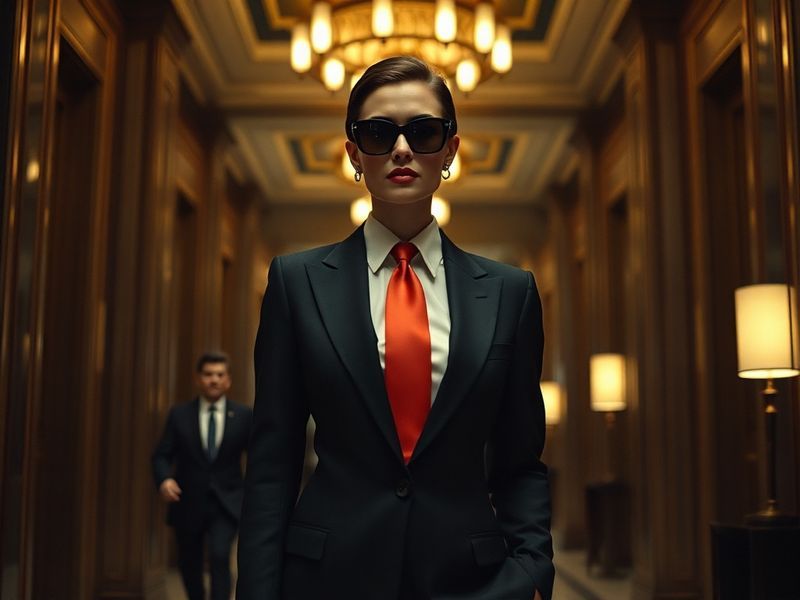
While The Devil Wears Prada is fictional, its fashion collaborations were meticulously real. Costume designer Patricia Field sourced pieces from brands like Chanel, Dolce & Gabbana, and Prada itself. The film’s wardrobe became a blueprint for aspirational office wear, influencing trends in urban centers worldwide.
Anna Wintour, then-editor of Vogue, reportedly advised on the script, ensuring authenticity in the portrayal of a high-fashion publication. This behind-the-scenes involvement elevated the film’s credibility, making it a reference point for industry professionals. In Paris, stylists noted how the film’s aesthetic trickled into editorial shoots, with editors requesting “Miranda Priestly chic” for seasonal features.
- Runway’s Influence: The fictional magazine’s aesthetic became a benchmark for aspiring editors globally.
- Meryl Streep’s Impact: Her portrayal redefined how audiences perceived fashion authority figures.
- Prada’s Role: The brand’s association with the film boosted its mainstream visibility in emerging markets.
Fashion’s Globalization Through the Film’s Lens
The Devil Wears Prada arrived as globalization reshaped fashion. Luxury brands expanded into China, Russia, and the Middle East, and the film’s themes of access and exclusion mirrored these markets’ tensions. In Shanghai, where luxury consumption grew rapidly, the film’s critique of elitism sparked debate among young professionals.
Meanwhile, in Africa, where local designers struggled for visibility, the film’s focus on Eurocentric fashion norms prompted discussions about representation. South African designers noted how the film highlighted the imbalance between Western fashion dominance and local creativity. This global dialogue about inclusivity in fashion continues today, with initiatives like Diversity in Fashion gaining traction.
The Legacy: How the Film Shaped Modern Fashion Narratives
Over 15 years later, The Devil Wears Prada remains a reference point in fashion media. Its themes of ambition, ethics, and identity continue to resonate in an era where sustainability and inclusivity dominate discourse. The film’s critique of fast fashion, though not explicit, aligns with modern movements like the slow fashion initiative.
In television, shows like Emily in Paris and Gossip Girl borrowed elements from its formula. Yet, none replicated its balance of glamour and critique. The film’s enduring appeal lies in its duality—it’s both a fantasy of upward mobility and a cautionary tale about its costs.
Meryl Streep’s Miranda Priestly remains one of cinema’s most quoted villains, her “cerulean speech” dissected in business schools worldwide. The line, delivered with icy precision, encapsulates the film’s core tension: fashion as both art and industry.
The Film’s Enduring Influence on Pop Culture
From memes to runway shows, The Devil Wears Prada’s fingerprints are everywhere. In 2020, Prada itself referenced the film in a campaign featuring a mirror-clad set, evoking Miranda’s iconic office. Meanwhile, in entertainment circles, the film is often cited as a benchmark for fashion-centered storytelling.
Its cultural footprint extends into language. Terms like “Miranda Priestly-ed” entered slang, describing a particularly cutting remark. In Japan, where workplace hierarchies are rigid, the film’s portrayal of toxic professional dynamics sparked introspection.
The film’s legacy is also evident in fashion education. Schools like Central Saint Martins in London and Parsons in New York reference it in curriculum discussions about ethics in fashion. Students analyze its portrayal of exploitation, particularly in assistant roles, which remain a contentious issue in the industry.
As fashion evolves, The Devil Wears Prada endures as a historical artifact—a snapshot of an era when luxury was synonymous with exclusivity, and ambition came at a cost. Its relevance today speaks to its layered storytelling, a rare film that entertains while challenging its audience.