Mexico’s Football Rivalry: The Toluca-León Derby
The Toluca-León football derby isn’t just another match in Mexico’s Liga MX—it’s a clash of cultures, histories, and identities that transcends the pitch. Played between Deportivo Toluca and Club León, this rivalry has grown from regional pride into a nationally watched spectacle, drawing fans from across Mexico and beyond. What makes this fixture so compelling isn’t just the goals or the standings; it’s the story behind each team, the passion of their supporters, and the way the derby reflects broader social and cultural currents in Mexican society.
Toluca, based in the State of Mexico, is one of the country’s most successful clubs, with ten league titles and a strong foundation in one of Mexico’s most economically vibrant regions. León, from the colonial city of the same name in Guanajuato, carries a different kind of legacy—deeply rooted in working-class tradition and known for its loyal fanbase, famously called “La Fiera.” When these two teams meet, the result is more than a three-point battle. It’s a cultural crossroads where urban ambition meets small-town grit, modernity clashes with tradition, and football becomes a language of identity.
A Historical Timeline: From Local Pride to National Anthem
The roots of the Toluca-León rivalry stretch back to the mid-20th century, when both clubs were establishing themselves in Mexican football’s growing professional landscape. Toluca joined the top flight in 1953 and quickly became a powerhouse, while León, founded in 1944, built its reputation through resilience and fan loyalty. Their first official meeting came in 1957, and since then, the rivalry has evolved through decades of change—economic booms, stadium renovations, and shifting fan cultures.
One defining moment came in the 1990s when Toluca dominated the league with stars like José Cardozo, while León fought relegation with dogged determination. The contrast in trajectories only intensified the rivalry’s emotional weight. More recently, the rise of social media has turned each match into a global conversation, with fans from Monterrey to Madrid debating tactics, transfers, and the future of Mexican football.
This isn’t just a fixture on the calendar—it’s a recurring chapter in Mexico’s football narrative, one that reflects broader trends in how sport shapes national identity and global perception.
Football as Culture: What the Derby Reveals About Mexico
Football in Mexico is more than a sport; it’s a cultural archive. The Toluca-León derby offers a lens into how regional identities are constructed, performed, and contested through sport. Toluca’s connection to the State of Mexico, a densely populated and economically diverse region, mirrors the rapid modernization of central Mexico. The team’s success has often been tied to corporate influence and urban development, reflecting a more cosmopolitan Mexico where tradition and progress coexist uneasily.
León, by contrast, represents the resilience of smaller cities. Known as the “Wheat Capital” of Mexico, Guanajuato’s identity is built on agriculture and artisanal craftsmanship. The city’s football club, with its working-class fanbase, embodies a different kind of Mexican dream—one rooted in community, grit, and local pride. When León plays, the stadium roars with songs and chants that echo through colonial streets, linking past and present in a shared rhythm.
This cultural duality is increasingly visible beyond Mexico’s borders. As Mexican football gains global attention—thanks to stars like Hirving Lozano and Raúl Jiménez, and Liga MX’s growing international broadcasts—the Toluca-León derby becomes a microcosm of Mexico’s global image: a blend of tradition and innovation, of local roots and international ambition.
The Fan Experience: Passion Beyond Borders
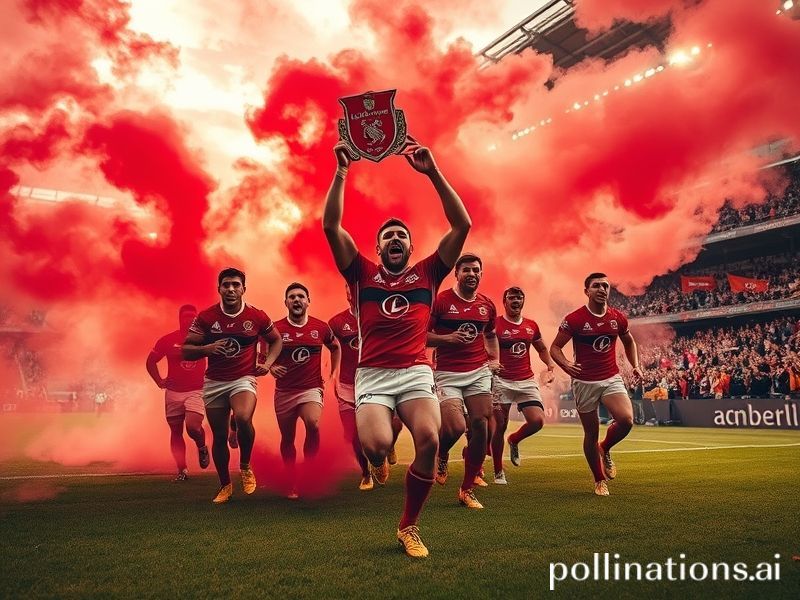
The emotional core of the Toluca-León rivalry lies in its fans. Toluca supporters, known as “Los Diablos Rojos” (The Red Devils), fill Estadio Nemesio Díez with energy that rivals any in Latin America. Their chants, choreographies, and unwavering loyalty create an atmosphere that feels both ancient and electric. Meanwhile, León’s fans, “La Fiera,” turn Estadio León into a fortress of sound and color, where every match feels like a communal rite of passage.
What’s remarkable is how these fan cultures have extended beyond Mexico. Mexican expatriate communities in the United States, Canada, and Europe have adopted these rivalries as part of their cultural identity. Watch parties in cities like Los Angeles and Chicago draw thousands, proving that football fandom can be a bridge across borders. Social media amplifies this global reach, with memes, debates, and live reactions turning each match into a transnational event.
This fan-driven globalization of the derby reflects a larger trend: the way football fandom has become a form of cultural citizenship. For Mexican diaspora communities, supporting Toluca or León isn’t just about sport—it’s about maintaining a connection to home, to memory, and to a shared sense of belonging.
What’s Next: The Future of the Rivalry
The Toluca-León derby faces new challenges and opportunities. The expansion of Liga MX’s international presence, the rise of streaming platforms, and the growing influence of analytics in football are reshaping how the game is played and consumed. Yet, the soul of the rivalry remains unchanged. It’s still about pride, passion, and the stories that unfold on the pitch.
As both clubs navigate the future—whether through youth development, women’s football growth, or digital fan engagement—the derby will continue to evolve. But its essence will endure. In an era where football is increasingly corporate and globalized, the Toluca-León rivalry reminds us that the heart of the game lies in its people, its history, and the communities it binds together.
For fans around the world, the next chapter of this storied fixture is eagerly awaited—not just for the result, but for the spectacle, the emotion, and the shared experience that only football can deliver.
Key Takeaways from the Toluca-León Derby
- Historical Significance: The rivalry dates back to the 1950s and reflects Mexico’s football evolution.
- Cultural Duality: Toluca represents urban modernity; León embodies small-town tradition.
- Global Fanbase: The derby has extended to Mexican communities worldwide through digital platforms.
- Fan Culture: The passion of “Los Diablos Rojos” and “La Fiera” elevates the match beyond sport.
- Future Outlook: The rivalry adapts to new trends while preserving its core identity.
For more on how Mexican football is shaping global culture, explore our Sports section, where we analyze the intersection of sport, society, and identity.
And if you’re interested in how regional identities influence other sports, check out our Culture category for deeper insights into how place shapes performance.