What Liquidation Means in a Global Market
Liquidation is a term that carries different meanings depending on context—whether in finance, retail, or legal proceedings. At its core, liquidation refers to the process of converting assets into cash, often to settle debts or close operations. This practice is common in corporate bankruptcies, where a company’s assets are sold off to pay creditors. Yet liquidation also plays a role in retail, where overstocked or seasonal merchandise is sold at steep discounts to clear inventory. Globally, liquidation reflects economic cycles, consumer behavior, and even cultural attitudes toward consumption and value.
Across borders, liquidation practices vary significantly. In Western economies like the United States and Europe, liquidation is often associated with financial distress, corporate restructuring, or aggressive discounting strategies. Meanwhile, in emerging markets, liquidation can be a response to rapid economic shifts or shifts in consumer demand. For example, in China, the rise of e-commerce platforms has accelerated liquidation cycles, with brands using flash sales and clearance events to maintain competitiveness. Understanding these differences provides insight into how economies adapt to change.
The Financial Mechanics of Liquidation
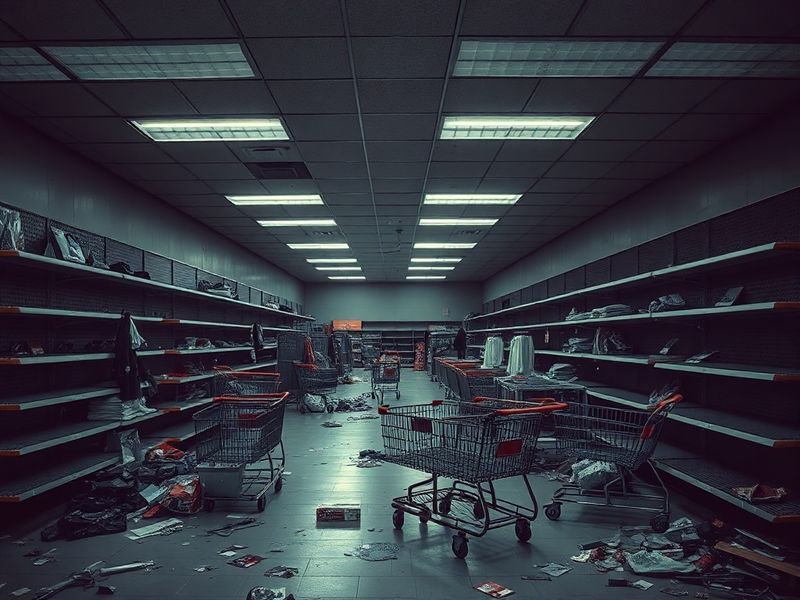
In corporate finance, liquidation occurs when a business ceases operations and its assets are sold to repay creditors. This process can be voluntary or court-ordered, depending on the company’s financial state. A voluntary liquidation might happen when shareholders decide to dissolve a business that is no longer profitable. In contrast, an involuntary liquidation often follows a bankruptcy filing, where a court-appointed trustee oversees the sale of assets to satisfy outstanding debts.
The order of repayment during liquidation follows a strict hierarchy. Secured creditors—those with collateral—are paid first, followed by unsecured creditors, shareholders, and lastly, common stockholders. This structure ensures fairness but often leaves smaller stakeholders with little to no recovery. In high-profile cases, such as the liquidation of businesses like Toys “R” Us or Blockbuster, the process becomes a cautionary tale about market disruptions and changing consumer habits.
Liquidation sales are not limited to failing companies. Retailers frequently use liquidation strategies to manage excess inventory or seasonal stock. Brands like Nike and Adidas have leveraged outlet stores and online clearance sections to maintain cash flow without resorting to full-scale liquidation. Globally, third-party liquidators purchase unsold merchandise from retailers and resell it through discount channels, creating an entire industry around surplus goods.
Cultural and Consumer Perspectives on Liquidation
How societies view liquidation says much about their economic priorities and cultural values. In the United States, liquidation sales are deeply embedded in consumer culture, driven by the desire for bargains and the thrill of finding deals. Black Friday and post-holiday clearance events are annual rituals that highlight society’s obsession with discounts and immediate gratification. This mindset extends beyond retail, influencing everything from real estate to automotive sales, where foreclosures and end-of-model-year clearances are common.
In contrast, some cultures view liquidation with skepticism. In Japan, for instance, the concept of “mottainai”—a cultural principle emphasizing the avoidance of waste—has led to more sustainable consumption habits. Liquidation sales are less prevalent, and instead, secondhand markets, recycling programs, and repurposing initiatives are prioritized. This approach aligns with broader environmental goals and a preference for longevity over disposability.
In Europe, liquidation is often tied to economic resilience. Countries like Germany and France have strict regulations governing insolvency and liquidation processes to protect both creditors and employees. The emphasis on social safety nets means that even in liquidation scenarios, workers may receive severance or retraining support. This reflects a collective approach to economic challenges, where liquidation is not just a financial transaction but a societal process.
The Global Liquidation Industry: Opportunities and Challenges
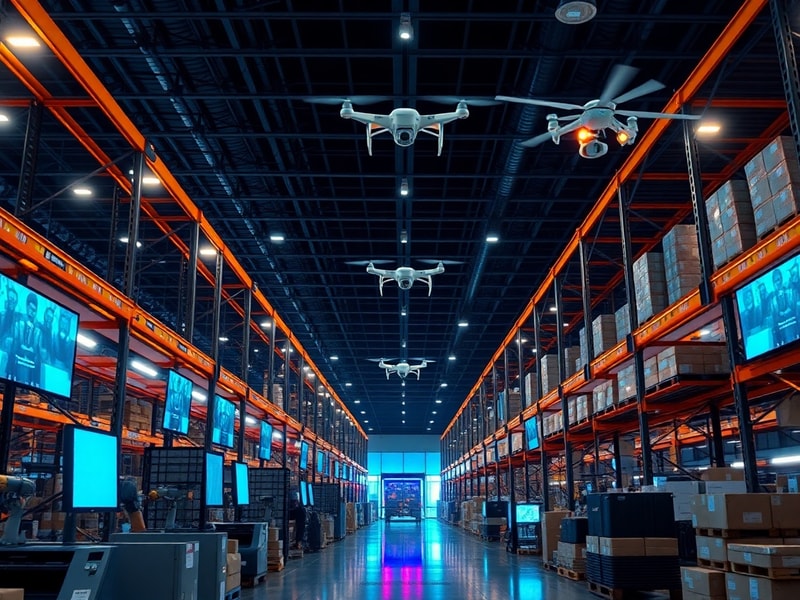
The liquidation industry has grown into a multi-billion-dollar sector, fueled by globalization and the rise of e-commerce. Third-party liquidators, auction houses, and online platforms like B-Stock and Liquidation.com have created a marketplace for surplus goods. These entities purchase pallets of returned, overstocked, or customer-returned merchandise and resell it at a fraction of the original price. This model benefits both sellers looking to recoup losses and buyers seeking steep discounts.
However, the industry is not without controversy. Concerns about product quality, counterfeit goods, and ethical sourcing plague parts of the liquidation market. In 2022, a report by the U.S. PIRG highlighted issues with liquidated goods ending up in underserved communities, where consumers may unknowingly purchase unsafe or substandard products. Additionally, the environmental impact of disposing of unsold inventory has drawn criticism, particularly in industries like fast fashion, where liquidation often leads to further waste.
Despite these challenges, innovation is reshaping the liquidation landscape. Companies are exploring sustainable liquidation practices, such as repurposing returned goods into new products or donating surplus inventory to charitable organizations. In 2023, Patagonia launched its “Worn Wear” program, which refurbishes used clothing and sells it at a discount, challenging traditional liquidation models. Similarly, tech companies like Apple and Best Buy have partnered with recycling programs to ensure that liquidated electronics are disposed of responsibly.
The Future of Liquidation: Trends and Predictions
As global supply chains evolve and consumer behaviors shift, the future of liquidation will likely be shaped by several key trends. The rise of artificial intelligence (AI) and data analytics is enabling companies to predict demand more accurately, reducing the need for large-scale liquidation events. Predictive algorithms can now identify surplus inventory before it becomes a problem, allowing businesses to adjust production or pricing strategies proactively.
Sustainability will also play a central role. Consumers are increasingly demanding transparency and ethical practices from brands, pushing companies to adopt circular economy models. Liquidation, once seen as a last resort, is being reimagined as a step in a product’s lifecycle rather than an endpoint. This shift is evident in industries like furniture and electronics, where refurbishment and resale programs are gaining traction.
Globally, liquidation will continue to reflect economic disparities. In developing markets, liquidation may remain a tool for survival, while in developed economies, it could become a niche strategy for niche industries. The key will be balancing efficiency with responsibility—ensuring that liquidation processes not only clear inventory but also contribute to a more sustainable and equitable economic system.
Conclusion
Liquidation is far more than a financial or retail tactic; it is a mirror reflecting economic conditions, cultural values, and consumer behaviors worldwide. From corporate bankruptcies to Black Friday sales, the process of converting assets into cash reveals much about how societies manage resources, cope with change, and prioritize value. As globalization and sustainability reshape industries, liquidation will evolve from a last-ditch effort to a strategic component of modern commerce. For businesses and consumers alike, understanding the nuances of liquidation is essential to navigating an increasingly complex economic landscape.