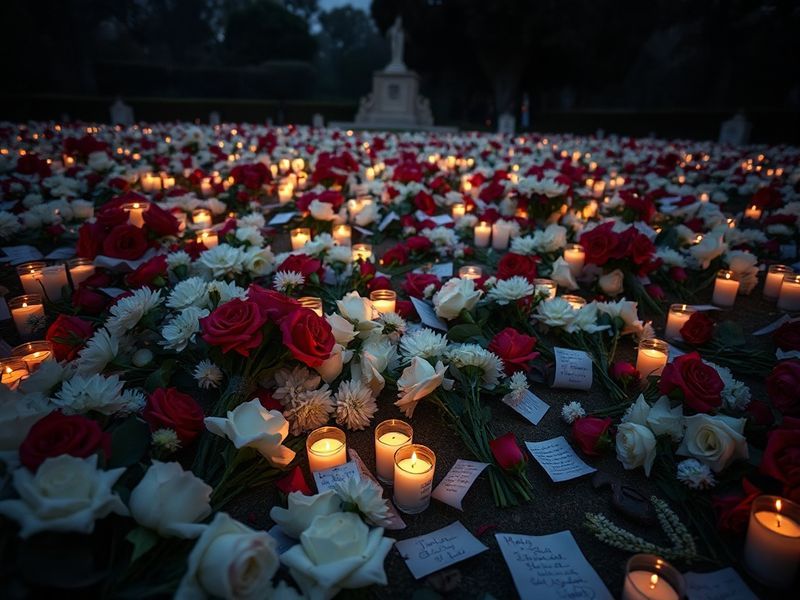
Michael Jackson’s Death: The Medical Truth Behind His 2009 Passing
“`html
Michael Jackson’s Cause of Death: What Medical Records Reveal
On June 25, 2009, the world lost one of its most iconic entertainers when Michael Jackson died at the age of 50. His death sent shockwaves through global media, leaving fans and cultural observers grappling with the sudden loss of a legend. The official cause of death was acute propofol and benzodiazepine intoxication, according to the Los Angeles County Coroner’s report. This conclusion was supported by toxicology findings that revealed dangerous levels of prescription drugs in his system.
Jackson’s death was not just the passing of a superstar—it was a turning point that exposed vulnerabilities in celebrity health care, the ethics of prescription drug use, and the pressures of fame. More than a decade later, the circumstances surrounding his death continue to spark debate about medical oversight, addiction, and the human cost of stardom.
The Final Hours: What Happened on June 25, 2009
Michael Jackson was found unresponsive in his rented mansion in the Holmby Hills neighborhood of Los Angeles. His personal physician, Dr. Conrad Murray, was present and immediately began performing CPR. However, paramedics arrived to find Jackson without a pulse and in cardiac arrest. Despite efforts to revive him at the UCLA Medical Center, he was pronounced dead at 2:26 p.m.
An autopsy revealed that Jackson’s heart had stopped due to a fatal combination of drugs. Propofol, a powerful anesthetic typically used in hospital settings, was found in his blood at a concentration far exceeding therapeutic levels. Benzodiazepines, including lorazepam and midazolam, were also detected, contributing to respiratory depression and ultimately asphyxia.
Timeline of Key Events
- June 24, 2009: Jackson rehearses for his planned “This Is It” residency in London. Reports later indicate he appeared fatigued but determined.
- June 25, 2009 (early morning): Jackson receives propofol and other sedatives administered by Dr. Murray to help him sleep.
- Around noon: Jackson is found unconscious. 911 is called, and CPR is initiated by Murray before paramedics arrive.
- 2:26 p.m.: Jackson is pronounced dead at UCLA Medical Center.
- August 24, 2009: The Los Angeles County Coroner rules Jackson’s death a homicide due to acute drug intoxication.
- November 7, 2011: Dr. Conrad Murray is convicted of involuntary manslaughter and sentenced to four years in prison.
The Medical Evidence: Propofol and the Risks of Off-Label Use
Propofol, commonly known by its brand name Diprivan, is a short-acting intravenous anesthetic used primarily in surgical settings and intensive care units. It induces deep sedation within seconds and wears off quickly, making it ideal for procedures like colonoscopies or intubation.
However, propofol is not approved for treatment of insomnia or long-term sedation outside controlled medical environments. Its use in Jackson’s case—administered repeatedly over several days—represented a dangerous off-label application. According to court testimony, Murray gave Jackson propofol on multiple nights to help him sleep, despite knowing the risks.
Toxicology reports confirmed that Jackson’s blood contained 2.6 mcg/mL of propofol, a level consistent with general anesthesia rather than sleep induction. The concentration of midazolam, another sedative, was also elevated, suggesting a cumulative effect that suppressed respiratory function.
Why Was Propofol Used?
Several factors contributed to Murray’s decision to use propofol:
- Jackson’s severe insomnia: After years of touring, sleep disturbances were well-documented. Jackson reportedly slept only two to three hours per night.
- Lack of alternatives: Murray claimed Jackson had become tolerant to benzodiazepines and other sleep aids, which were no longer effective.
- Pressure to perform: With the “This Is It” tour approaching, Jackson needed rest. Murray may have felt compelled to provide immediate relief.
- Access and convenience: Murray had propofol on hand, likely obtained through professional medical supply channels, making it easier to administer.
This pattern reflects a broader issue in celebrity health care: the blurring of medical necessity and convenience, where prescription drugs are used not to heal, but to manage performance and public image.
Legal and Ethical Fallout: Accountability and Systemic Flaws
The legal consequences of Jackson’s death were swift but uneven. Dr. Murray was the only individual held criminally accountable. In 2011, he was found guilty of involuntary manslaughter for administering a fatal dose of propofol without proper monitoring or emergency equipment. He served two years in prison before early release.
However, the case raised broader ethical questions. Murray was not a board-certified anesthesiologist, and his use of propofol outside a monitored setting violated standard medical protocols. His conviction underscored the dangers of off-label drug use in non-clinical environments.
The incident also prompted investigations into how prescription drugs circulate among high-profile individuals. According to a 2010 report by the U.S. Drug Enforcement Administration, Jackson had been prescribed at least 19 different medications in the months leading up to his death, including opioids, benzodiazepines, and muscle relaxants. Many were obtained from multiple physicians, a practice known as “doctor shopping.”
Systemic Issues Exposed
The tragedy highlighted several systemic weaknesses:
- Lack of centralized prescription monitoring: At the time, California did not have a real-time prescription database, making it difficult to track multiple prescriptions.
- Overprescription in celebrity culture: Physicians may prioritize patient satisfaction over safety, especially when treating high-profile clients.
- Stigma and secrecy: Jackson’s health struggles were often minimized or sensationalized, delaying appropriate medical intervention.
- Regulatory gaps: Propofol’s accessibility to non-anesthesiologists remained unchecked, despite its high-risk profile.
These issues are not unique to Jackson. They reflect a larger pattern in which fame accelerates medical risk, and accountability is diluted across systems of care, prescription, and public perception.
Legacy and Lessons: How Jackson’s Death Changed Medicine and Media
Michael Jackson’s death was a cultural inflection point. It forced a reckoning with how society views celebrity health, addiction, and medical ethics. In the years following, several changes occurred:
- Prescription Drug Monitoring Programs (PDMPs): By 2019, all 50 states had implemented PDMPs to track controlled substance prescriptions, reducing doctor shopping.
- Stricter propofol regulations: Hospitals and clinics increased oversight of propofol storage and administration. Some states restricted its use to licensed anesthesiologists.
- Media portrayal of addiction: Jackson’s death sparked more nuanced discussions about the intersection of mental health, fame, and substance use, moving beyond sensationalism to acknowledge systemic causes.
- Advocacy for mental health support: Organizations like the Health section on Dave’s Locker began publishing resources on managing stress and addiction in high-pressure environments.
Jackson’s death also left an indelible mark on music and pop culture. His absence reshaped the industry’s approach to artist well-being. Tours now include on-site medical teams. Contracts often mandate mental health evaluations. Managers and agents are more attuned to signs of burnout and dependency.
Yet, the pressures Jackson faced—relentless touring, public scrutiny, financial strain—remain. The rise of social media has amplified these challenges, making privacy a luxury few artists can afford.
Ultimately, Michael Jackson’s death was not just a medical tragedy—it was a systemic failure. It revealed how the pursuit of artistry, when unchecked by proper care, can become a form of self-destruction. His story serves as a cautionary tale about the cost of fame, the limits of medical autonomy, and the need for compassionate oversight in entertainment.
In remembering Jackson, we honor his artistry while acknowledging the urgent work still needed to protect those who follow in his footsteps.