Morrisons’ Strategic Evolution: Adapting to the UK Grocery Wars
“`html
Morrisons: The Supermarket Adapting to a Changing Retail Landscape
In an era where discount retailers and online grocery giants dominate, Morrisons has carved out a unique position in the UK supermarket sector. Known for its fresh food focus and vertically integrated supply chain, the company has navigated challenges while maintaining relevance. This article examines Morrisons’ strategic evolution, competitive pressures, and broader implications for the grocery industry.
The Rise and Reinvention of Morrisons
Founded in 1899 by William Morrison in Bradford, Morrisons began as an egg and butter stall before expanding into a single shop. By the 1960s, it had grown into a regional chain, and by 1970, it became a public company. The supermarket’s reputation for fresh food—sourced from its own farms and meat plants—became a cornerstone of its identity.
Unlike its larger rivals Tesco and Sainsbury’s, Morrisons maintained a strong regional presence in northern England for decades. Its decision to enter the London market in 2004 marked a turning point, exposing the brand to new competitive pressures. The acquisition of Safeway in 2004 expanded its footprint but also brought integration challenges, particularly in supply chain management.
In response to shifting consumer habits, Morrisons has invested heavily in digital transformation. The launch of its grocery delivery service in 2013 and the acquisition of online grocery platform Amazon Fresh in 2021 demonstrate its commitment to competing in the e-commerce space. These moves reflect a broader industry trend where traditional retailers must balance physical presence with digital innovation.
Key Strategic Shifts in Recent Years
Morrisons’ recent history has been defined by strategic pivots to remain competitive. Below are some of the most significant changes:
- Vertical Integration: Morrisons operates its own farms, bakeries, and meat processing plants, ensuring quality control and reducing dependency on third-party suppliers. This model has been both a strength and a vulnerability, as it requires significant capital investment.
- Online Expansion: Recognizing the growth of grocery delivery, Morrisons has prioritized its digital infrastructure. Partnerships with platforms like Deliveroo and Ocado have expanded its reach, though profitability in this segment remains a challenge.
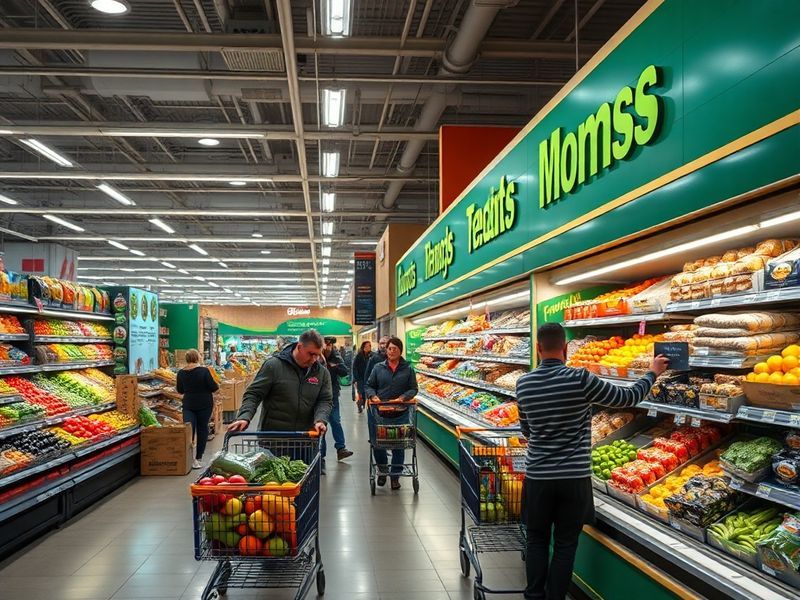
- Store Refits and Experience Enhancement: The company has redesigned stores to emphasize fresh food sections, including expanded produce areas and in-store dining options. These changes aim to differentiate Morrisons from discount retailers like Aldi and Lidl.
- Own-Brand Innovation: Morrisons has expanded its premium “M” range and introduced more locally sourced products to appeal to discerning shoppers. This strategy aligns with consumer demand for sustainability and traceability.
Competitive Pressures and Industry Trends
The UK grocery market is one of the most competitive in the world, with discounters like Aldi and Lidl capturing significant market share. Morrisons’ focus on fresh food and quality has helped it retain customers, but it faces constant pressure to justify premium pricing. The rise of online grocery shopping, accelerated by the COVID-19 pandemic, has further intensified competition.
Private-label products now account for nearly 50% of Morrisons’ sales, a shift that reflects broader industry trends. Consumers are increasingly prioritizing value, which has forced Morrisons to balance quality with affordability. The company’s “Match & More” price-match scheme was a direct response to this pressure, though it has since evolved into a more nuanced pricing strategy.
Another challenge is the evolving role of the physical store. With foot traffic declining in some regions, Morrisons has repurposed stores to serve multiple functions—grocery shopping, click-and-collect, and even community hubs. This adaptability is crucial in an era where convenience and experience often outweigh sheer store count.
Broader Implications for the Grocery Sector
Morrisons’ struggles and adaptations offer lessons for the broader grocery industry. The company’s experience highlights the importance of agility in a market dominated by both discounters and tech-driven retailers. As consumer preferences shift toward convenience and sustainability, traditional supermarkets must innovate without losing their core identity.
One of the most significant implications is the growing importance of supply chain control. Morrisons’ vertical integration has been a double-edged sword—providing quality assurance while increasing operational complexity. For other retailers, the lesson is clear: owning key parts of the supply chain can be a competitive advantage, but it requires significant investment and expertise.
Additionally, the rise of online grocery shopping has forced retailers to rethink the purpose of physical stores. Morrisons’ experiments with store formats—such as smaller convenience stores and larger “food halls”—reflect a broader industry trend toward hybrid retail models. The challenge lies in creating an experience that cannot be replicated online, whether through in-store dining, cooking demonstrations, or exclusive product offerings.
Looking Ahead: What’s Next for Morrisons?
As Morrisons moves forward, several key questions will shape its future. Can it maintain its fresh food reputation while competing on price? Will its digital investments pay off in a crowded online grocery market? And how will it adapt to changing consumer behaviors, such as the demand for sustainable and locally sourced products?
The company’s recent financial performance suggests cautious optimism. In 2023, Morrisons reported a 5.6% increase in sales, driven by growth in its online and convenience store segments. However, profitability remains a challenge, particularly as it invests in infrastructure and technology.
For industry observers, Morrisons serves as a case study in resilience and adaptation. Its ability to pivot while staying true to its core values will determine whether it can carve out a sustainable niche in an increasingly competitive market. For consumers, the supermarket’s evolution offers a glimpse into the future of grocery retail—one where quality, convenience, and innovation must coexist.
One thing is clear: the days of relying solely on physical stores and traditional marketing are over. Success in this sector now demands a blend of digital savvy, operational efficiency, and a deep understanding of consumer needs.
For more insights into the grocery industry’s evolution, explore our Trending and Business categories.