North Texas Tornado Warning: Safety Tips and Recovery Steps
“`html
North Texas Tornado Warning: What Residents Need to Know
Residents across North Texas faced sudden and severe weather conditions this week as a series of tornado warnings were issued by the National Weather Service. The warnings, which spanned multiple counties, prompted urgent safety measures and highlighted the region’s vulnerability to rapidly changing atmospheric conditions. Unlike typical seasonal storms, these tornado warnings emerged with little advance notice, underscoring the unpredictable nature of severe weather in the Lone Star State.
While tornadoes can occur at any time of year in Texas, spring and early summer typically mark the peak of tornado season. This latest round of warnings serves as a reminder of the importance of preparedness, especially in areas where infrastructure and emergency response systems may already be stretched thin. Local meteorologists and emergency management officials have urged residents to stay informed through multiple channels, including weather radios and mobile alerts, as conditions can evolve quickly.
How the Tornado Warnings Unfolded
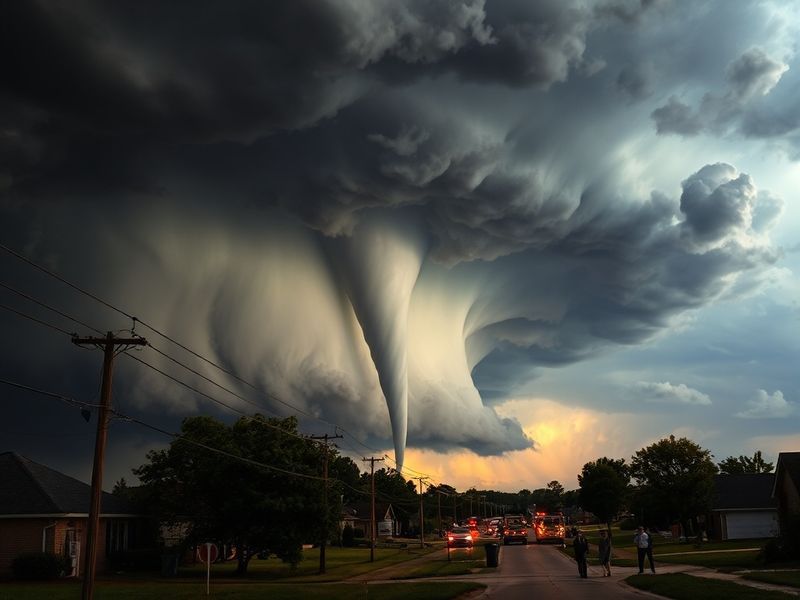
The first tornado warning was issued late Tuesday evening for Collin and Dallas counties, where radar indicated the presence of a rotating thunderstorm. Within minutes, additional warnings were extended to Denton, Tarrant, and Ellis counties as the storm system moved northeast at approximately 40 miles per hour. Emergency sirens were activated in several cities, including Plano and Fort Worth, prompting residents to take immediate shelter.
According to preliminary reports from the National Weather Service, the storm produced at least two confirmed tornadoes, one of which touched down in McKinney, causing significant damage to homes and businesses. First responders reported downed power lines, uprooted trees, and structural damage, though no fatalities have been confirmed at this time. The rapid response from local authorities and utility crews helped mitigate further risks, but the event has left many residents questioning the adequacy of their own emergency plans.
Meteorologists attributed the severity of the storms to a combination of warm, moist air from the Gulf of Mexico colliding with a cold front moving in from the north. This clash of air masses created an environment conducive to the formation of supercell thunderstorms, which are known to produce the most destructive tornadoes. The National Weather Service’s Storm Prediction Center had highlighted much of North Texas under an “enhanced risk” category for severe weather, but the precise timing and location of the tornadoes remained uncertain until the last possible moment.
Preparing for Severe Weather: Lessons from North Texas
In the aftermath of the tornado warnings, local officials and emergency management teams have emphasized the need for residents to review and update their severe weather plans. This includes identifying a safe room or basement in their homes, assembling an emergency kit with essential supplies, and ensuring they have multiple ways to receive weather alerts. The Federal Emergency Management Agency (FEMA) recommends keeping a battery-powered or hand-crank radio on hand, as power outages can disrupt cellular and internet services during storms.
For those living in mobile homes or structures with weak foundations, the risks are even greater. The National Oceanic and Atmospheric Administration (NOAA) has found that mobile homes are particularly vulnerable to tornadoes due to their lightweight construction and lack of underground shelter options. Residents in these situations are advised to seek sturdy, permanent structures during warnings or, if necessary, to evacuate to designated storm shelters.
Another critical aspect of preparedness is understanding the difference between a tornado watch and a tornado warning. A watch indicates that conditions are favorable for tornadoes to develop, while a warning means a tornado has been spotted or indicated by radar. During a warning, immediate action is required. The confusion between these two terms often leads to delayed responses, which can have life-threatening consequences. Local news outlets and the Dave’s Locker News section have provided detailed guides on how to interpret these alerts and respond appropriately.
Community Response and Recovery Efforts
In the hours following the storm, communities across North Texas rallied together to assist those affected. Local businesses donated supplies, volunteers helped clear debris, and faith-based organizations opened their doors to provide shelter and meals. The outpouring of support reflects the resilience of North Texans, who have faced similar challenges in recent years, including the devastating tornadoes that struck Dallas in 2019 and the historic winter storm of 2021.
However, recovery efforts are just beginning. The Red Cross has set up temporary shelters in areas with the most significant damage, and insurance companies are already fielding claims from homeowners and business owners. The process of assessing the full extent of the damage will likely take weeks, if not months, as officials work to determine which structures are safe for occupancy and which require demolition.
For renters, the challenges are particularly acute. Unlike homeowners, renters often rely on landlords to address structural damage and cover the cost of temporary housing. Advocacy groups have called for clearer guidelines on tenant rights during natural disasters, as many renters find themselves navigating complex insurance policies and landlord-tenant laws in the wake of such events.
Long-Term Solutions and Policy Considerations
As North Texas continues to grapple with the aftermath of the tornado warnings, discussions have emerged about the role of climate change in intensifying severe weather patterns. While it is difficult to attribute any single event to global warming, research has shown that warmer temperatures can increase the moisture content in the atmosphere, fueling more powerful storms. This trend is particularly concerning for regions like North Texas, which are already prone to extreme weather events.
In response, some local governments are exploring long-term solutions, such as improving building codes to ensure structures can withstand high winds and investing in early warning systems that provide more lead time. The city of Fort Worth, for example, has implemented a program to retrofit older buildings with storm-resistant features, such as reinforced roofs and impact-resistant windows. These measures, while costly, could save lives and reduce the economic burden of future disasters.
Another area of focus is improving communication during severe weather events. The use of social media, emergency alert systems, and community outreach programs has expanded in recent years, but gaps remain. For instance, older adults or non-English-speaking residents may not receive or understand critical updates. The city of Dallas has partnered with local organizations to translate weather alerts into multiple languages and distribute them through community centers and places of worship.
The challenges faced by North Texas serve as a microcosm of the broader issues affecting communities across the United States. As severe weather events become more frequent and intense, the need for proactive planning and investment in resilience has never been greater. Whether through policy changes, infrastructure upgrades, or public education, the goal remains the same: to protect lives and livelihoods in the face of an unpredictable climate.
Staying Informed and Staying Safe
In the wake of the tornado warnings, residents are encouraged to take steps to ensure their safety during future storms. This includes signing up for local emergency alert systems, such as the Dave’s Locker Weather Alerts, and familiarizing themselves with the safest routes to nearby shelters. It is also important to have a plan for pets and livestock, as well as any family members with special needs.
For those who experienced damage to their homes or businesses, the road to recovery will be long and difficult. However, the community’s response to this event demonstrates the power of collective action and the importance of preparedness. By learning from this experience and taking proactive steps to mitigate future risks, North Texas can build a more resilient future.
The tornado warnings may have passed, but the lessons learned will endure. As the region continues to recover, one thing is clear: the safety and well-being of residents depend on a combination of individual preparedness, strong community support, and forward-thinking policies. With the right tools and resources, North Texas can weather any storm that comes its way.