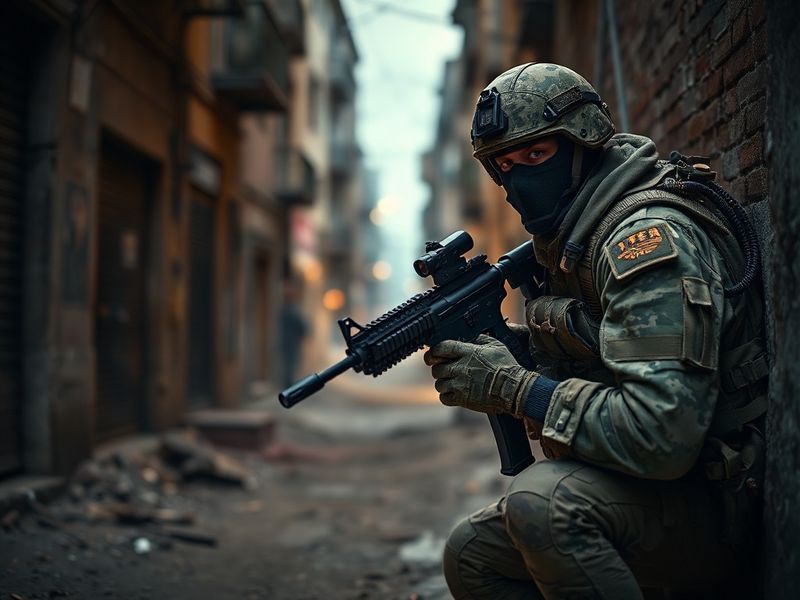
The Special Air Service (SAS) stands as one of the most renowned and formidable special forces units in the world. With a history stretching back to World War II, this clandestine organization has become synonymous with precision, bravery, and unparalleled operational success. Its reputation precedes it, not just within military circles but across global audiences fascinated by tales of covert operations and high-stakes missions.
The SAS was officially founded in 1941 by Lieutenant David Stirling, a visionary who sought to create a unit capable of behind-enemy-lines operations. Stirling’s idea was radical for its time—small, highly trained teams striking deep into enemy territory with minimal support. This approach would later define the unit’s modus operandi, setting a standard for special operations forces worldwide. The original SAS operated primarily in North Africa, where its unconventional tactics disrupted Axis supply lines and intelligence networks.
The Evolution of the SAS: From World War II to Modern Operations
After its early successes in North Africa, the SAS expanded its role during the war, participating in operations across Europe. The unit’s ability to adapt and innovate kept it relevant long after the conflict ended. In the post-war era, the SAS transitioned from a wartime necessity to a permanent elite unit within the British Army, specializing in counter-terrorism, hostage rescue, and reconnaissance.
One of the most defining moments in the SAS’s modern history came during the 1980 Iranian Embassy siege in London. The unit’s rapid and decisive intervention saved all but one of the hostages, showcasing its ability to handle high-pressure situations with surgical precision. This operation cemented the SAS’s reputation as a global leader in counter-terrorism, influencing the development of similar units worldwide.
The SAS’s operational scope has since broadened to include counter-insurgency, direct action, and intelligence gathering. Its deployments span conflicts in Northern Ireland, the Falklands War, the Gulf War, and more recent engagements in Afghanistan and Iraq. The unit’s adaptability has allowed it to remain at the forefront of modern warfare, where the lines between conventional and unconventional operations continue to blur.
Training and Selection: The Making of an SAS Operator
Becoming an SAS operator is one of the most grueling processes in the military world. The selection process, known as the “Selection” or “Purple Patch,” is designed to push candidates to their absolute limits—physically, mentally, and emotionally. Candidates undergo a series of tests over several months, including endurance marches, navigation exercises, and survival training in harsh environments.
The selection process begins with a two-week briefing period, during which candidates are introduced to the unit’s standards and expectations. Those who pass the initial screening move on to the endurance phase, where they must complete marches of up to 40 miles with full equipment. The final selection phase, often referred to as the “Fan Dance,” involves a grueling hike up and down the mountainous terrain of the Brecon Beacons in Wales, carrying a weighted Bergen rucksack.
Survival training is another critical component. Candidates are dropped into remote areas with minimal supplies and must evade capture while navigating to a designated extraction point. This phase tests not only physical stamina but also mental resilience, as candidates must endure sleep deprivation, extreme weather, and psychological pressure.
Once selected, operators undergo further specialized training in areas such as demolitions, close-quarters battle, and advanced driving. The SAS’s training pipeline is continuous, with operators regularly updating their skills to stay ahead of evolving threats. This relentless pursuit of excellence ensures that the unit remains one of the most capable and professional forces in the world.
Global Influence and Legacy: How the SAS Shaped Modern Special Forces
The SAS’s impact extends far beyond its operational achievements. Its methods and tactics have been studied and emulated by special forces units across the globe, from the U.S. Delta Force to Australia’s SAS Regiment. The unit’s emphasis on small, highly trained teams operating independently has become a blueprint for modern special operations forces.
One of the SAS’s most significant contributions to modern warfare is its role in developing counter-terrorism tactics. The unit’s experience in hostage rescue and high-risk operations has informed the strategies of units like the U.S. Navy SEALs and France’s GIGN. The SAS’s “Big, Armed, and Dangerous” approach—where operators are heavily armed and prepared to engage in direct action—has become a standard in counter-terrorism operations worldwide.
The unit’s influence also extends to the realm of intelligence gathering. SAS operators are often deployed in advance of larger conventional forces to conduct reconnaissance and gather critical battlefield intelligence. This role has become increasingly important in modern conflicts, where the ability to operate undetected and gather real-time information can determine the outcome of an entire campaign.
Beyond its military contributions, the SAS has also had a cultural impact. Books, documentaries, and films such as SAS: Rogue Heroes and 6 Days have brought the unit’s story to a global audience, inspiring countless individuals to pursue careers in special operations. The SAS’s legacy is not just one of military achievement but also of cultural significance, shaping the way the world views elite military units.
Controversies and Criticisms: The Ethical Dilemmas of Elite Warfare
Despite its sterling reputation, the SAS has not been without controversy. The unit has faced scrutiny over allegations of human rights abuses, particularly in Northern Ireland during the Troubles. Reports of unlawful killings and excessive force have raised questions about the ethical boundaries of special operations.
In 2020, a BBC investigation alleged that SAS soldiers had been involved in the unlawful killing of detainees in Afghanistan, leading to a review of the unit’s operations. While the British Ministry of Defence denied systemic wrongdoing, the allegations highlighted the challenges of operating in complex, high-risk environments where the line between combatant and civilian can blur.
The SAS has also faced criticism for its involvement in training foreign forces with questionable human rights records. The unit’s role in providing instruction to units in countries such as Saudi Arabia and Bahrain has drawn condemnation from human rights organizations. These controversies underscore the ethical dilemmas inherent in elite warfare, where operational effectiveness must be balanced against moral and legal considerations.
Despite these challenges, the SAS remains a highly respected unit, and its controversies are often viewed through the lens of the broader challenges faced by modern militaries. The unit’s ability to adapt and evolve in response to criticism demonstrates its commitment to maintaining the highest standards of professionalism and accountability.
Conclusion: The Enduring Legacy of the SAS
The Special Air Service’s legacy is one of unparalleled achievement and enduring influence. From its humble beginnings in the deserts of North Africa to its current role as a global leader in special operations, the SAS has consistently demonstrated the qualities of excellence, adaptability, and bravery. Its methods and tactics have shaped the modern special forces landscape, and its operators continue to serve as role models for military personnel worldwide.
The SAS’s future remains as dynamic as its past. As global conflicts evolve and new threats emerge, the unit’s role in counter-terrorism, intelligence gathering, and direct action will only grow in importance. However, the challenges it faces—ethical, operational, and strategic—will require the same level of innovation and resolve that have defined the SAS since its inception.
For those who aspire to join its ranks, the SAS represents the pinnacle of military achievement. Its story is one of perseverance, sacrifice, and unwavering commitment to duty. As the unit continues to operate in the shadows, its legacy serves as a reminder of what can be accomplished through sheer determination and unrelenting pursuit of excellence.
To learn more about elite military units and their global impact, explore our Trending and Analysis sections for in-depth coverage of military topics and historical insights.