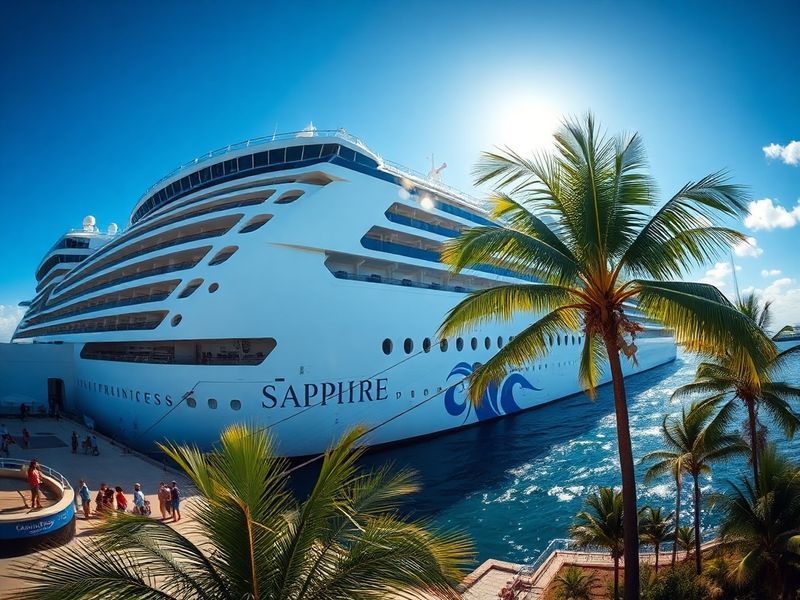
Sapphire Princess Cruise Ship: Global Luxury & Cultural Travel Insights
“`html
Evolution of the Sapphire Princess: From Maiden Voyage to Modern Luxury
The Sapphire Princess, launched in 2004 as one of Princess Cruises’ most ambitious projects, emerged during a golden era for ocean liners. Designed to cater to the growing demand for premium cruise experiences, the vessel was built in Japan by Mitsubishi Heavy Industries. Its launch coincided with a shift in global travel preferences, where passengers increasingly sought destinations beyond traditional ports of call.
At 116,000 gross tons and measuring 951 feet in length, the Sapphire Princess was one of the largest ships in the Princess fleet at the time. Its initial itineraries focused on the Pacific, particularly voyages between Vancouver and Alaska—a route that quickly became a staple for the line. The ship’s design incorporated lessons learned from earlier Princess vessels, emphasizing stability and comfort over sheer speed.
By 2010, the Sapphire Princess underwent a significant refit in Singapore, enhancing its appeal to international travelers. Upgrades included expanded dining options, refreshed cabin designs, and new entertainment venues. These changes reflected broader industry trends, where cruise lines began prioritizing cultural diversity in onboard experiences to attract global audiences.
Cultural Melting Pot: Onboard Experiences That Reflect a Global Audience
The Sapphire Princess has long served as a floating microcosm of global tourism. Its passenger demographics shift with each itinerary, drawing travelers from North America, Europe, and Asia. This diversity is evident in the ship’s culinary offerings, which include Italian trattorias, Japanese teppanyaki, and international buffets designed to cater to varied palates.
Cultural exchange extends beyond food. The ship’s entertainment roster often features performers from different continents, blending local traditions with contemporary styles. For instance, during transpacific voyages, passengers might enjoy a fusion of Polynesian dance with Broadway-style productions. This approach mirrors the broader cruise industry’s strategy to create inclusive environments where guests feel represented.
Language also plays a role in the Sapphire Princess’ multicultural identity. While English remains the primary language onboard, multilingual staff—particularly in Asian markets—ensure that non-English speakers feel accommodated. This reflects a global shift in tourism, where accessibility and inclusivity are becoming as important as luxury itself.
Destinations That Define the Sapphire Princess Experience
The ship’s itineraries offer a window into how modern cruising balances iconic destinations with emerging hotspots. Its most popular routes include:
- Alaska: A 7-day roundtrip from Vancouver, this route showcases glaciers, wildlife, and ports like Juneau and Skagway. The itinerary’s success highlights the enduring appeal of North American adventure travel.
- Asia: Voyages from Japan and China have grown in popularity, particularly during cherry blossom season or Lunar New Year. These trips often include stops in South Korea and Vietnam, catering to a booming Asian cruise market.
- South Pacific: Routes to Hawaii, Tahiti, and Fiji attract guests seeking tropical escapism. The ship’s smaller size (compared to megaships) allows for more intimate port calls in these regions.
- Australia & New Zealand: Seasonal sailings from Sydney or Melbourne offer a mix of cosmopolitan cities and rugged landscapes, appealing to travelers from both hemispheres.
These destinations are carefully curated to align with global travel trends. For example, the rise of “soft adventure” tourism—where guests seek immersive experiences without extreme physical demands—has led to more frequent stops in places like Alaska and New Zealand. Meanwhile, Asia’s growing middle class has driven demand for culturally rich itineraries that highlight both tradition and modernity.
Sustainability and the Future of Cruise Travel
Like many modern cruise ships, the Sapphire Princess faces increasing scrutiny over its environmental impact. Princess Cruises has responded with initiatives like shore power capabilities in ports such as Juneau and Seattle, reducing emissions while docked. However, challenges remain, particularly in sensitive ecosystems like the Great Barrier Reef and Alaskan waters.
The cruise industry’s sustainability efforts are evolving rapidly. The International Maritime Organization’s 2020 sulfur cap has pushed operators to adopt cleaner fuels, and the Sapphire Princess has benefited from these improvements. Yet, critics argue that voluntary measures aren’t enough. Some environmental groups advocate for stricter regulations, including limits on passenger numbers in fragile marine areas.
Looking ahead, the future of the Sapphire Princess—and cruise ships like it—may lie in hybrid models. These could combine traditional luxury with eco-friendly innovations, such as hydrogen-powered engines or zero-waste operations. For now, the ship remains a symbol of an industry at a crossroads, balancing growth with responsibility.
For travelers considering a voyage on the Sapphire Princess, the experience offers more than just a holiday. It’s a chance to witness how global tourism adapts to changing times, where luxury, culture, and sustainability intersect on the high seas.
If you’re interested in exploring other luxury travel options, check out our Travel section for more insights and recommendations.