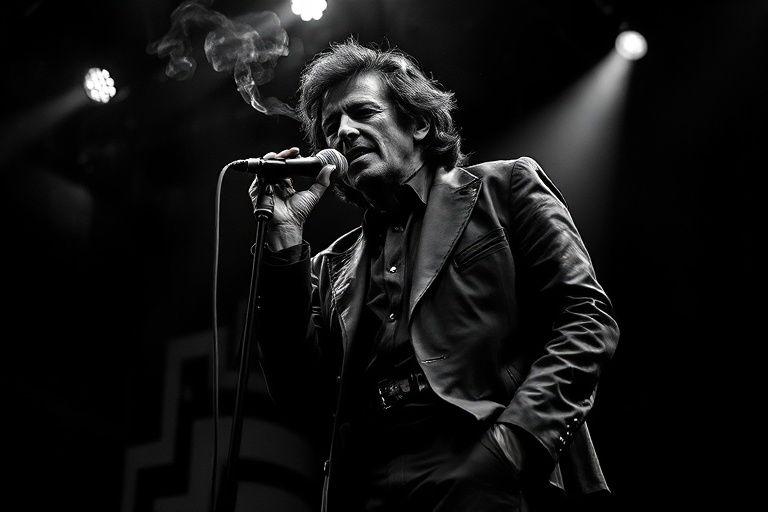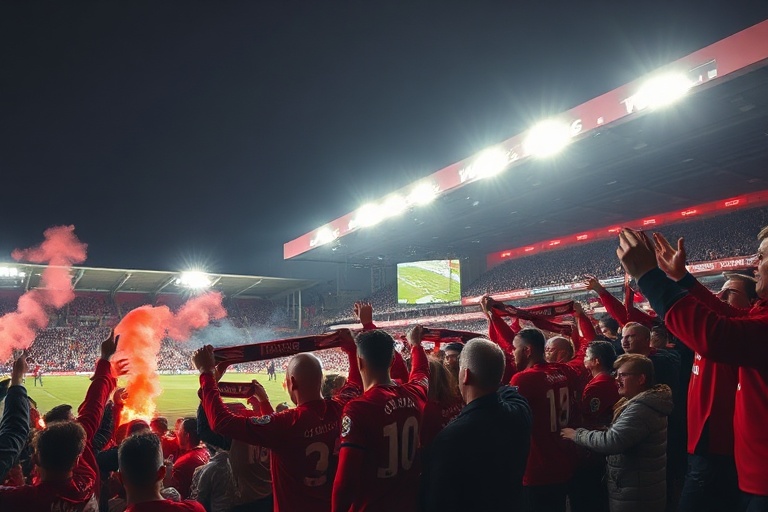
In 2024, the Stagecoach Festival, known for its country and Americana music roots, expanded its reach far beyond the dusty grounds of Indio, California. Through a carefully curated livestream experience, the festival transformed into a global event, accessible to millions who could not make the journey in person. This digital evolution reflects broader trends in live entertainment, where physical boundaries no longer dictate audience participation.
The Stagecoach livestream was more than just a technical experiment. It was a cultural bridge, connecting rural American traditions with urban listeners across continents. By embracing digital platforms, the festival tapped into a demand for authentic, unfiltered cultural experiences—something increasingly rare in an era dominated by algorithmically curated content.
The Technology Behind the Livestream
Producing a festival livestream at this scale requires more than a single camera and a Zoom connection. The Stagecoach livestream utilized a multi-camera setup with 4K resolution, dynamic switching between stages, and real-time audio mixing to ensure viewers felt immersed in the experience. Behind the scenes, a team of engineers, producers, and artists worked in tandem to capture the energy of the festival without losing the intimacy of live performance.
One of the standout features was the “Artist Cam” option, which allowed viewers to follow specific performers as they moved between sets. This level of customization turned passive watching into an interactive experience, a feature that has become a benchmark for live music streams since the pandemic.
The platform hosting the stream also played a critical role. By partnering with a major streaming service known for low-latency delivery, the organizers ensured that even audiences in Europe and Asia could watch performances in near real-time. This technical achievement underscored how far livestreaming technology has come since the early days of grainy festival footage on YouTube.
A Global Audience for Country and Americana
The Stagecoach livestream reached an estimated 1.2 million viewers across 45 countries, a testament to the universal appeal of country and Americana music. While the festival’s roots lie in Southern California’s country scene, its digital expansion revealed a diverse, international fanbase eager for raw, acoustic-driven performances.
In Japan, where country music has a dedicated but niche following, fans tuned in to watch artists like Robert Earl Keen and Maren Morris. European audiences, particularly in the UK and Germany, discovered new appreciation for the genre through the festival’s curated playlists and artist interviews. Even in countries like Brazil and South Africa, where country music is less mainstream, the livestream introduced new listeners to the storytelling power of the genre.
- North America: 60% of viewers, including many who could not attend due to travel costs or scheduling conflicts.
- Europe: 25% of viewers, with strong engagement in the UK, Germany, and Scandinavia.
- Asia-Pacific: 10% of viewers, reflecting growing interest in global country music scenes.
- Other regions: 5% of viewers, including Africa and the Middle East, where internet accessibility is improving.
This global reach also highlighted the festival’s role as a cultural ambassador. By showcasing artists from diverse backgrounds—including Indigenous musicians and Latinx country performers—Stagecoach positioned itself as more than a genre-specific event. It became a platform for cultural exchange, where traditions from Appalachia to Texas could be celebrated side by side.
The Economic Impact of Digital Festivals
The Stagecoach livestream was not just an artistic experiment; it was a financial one. For an event that typically relies on ticket sales, merchandise, and sponsorships, the digital expansion opened new revenue streams. The livestream itself was available through a paywall, with tiered pricing offering exclusive content such as backstage interviews and artist Q&As.
Beyond ticket sales, the livestream drove engagement for music-related merchandise and future tour announcements. Artists who performed at the festival saw a spike in streaming numbers and social media followers, translating the livestream’s energy into long-term career benefits. For some, it was a career-defining moment that introduced their music to audiences who might never have encountered it otherwise.
The economic ripple effect extended to local businesses as well. While the festival’s physical footprint was limited, the livestream kept the spirit of Stagecoach alive in the Coachella Valley. Hotels, restaurants, and transportation services saw increased bookings from attendees who combined their virtual festival experience with a short visit to the region.
The Future of Live Music in a Digital World
The success of the Stagecoach livestream raises important questions about the future of live music. Will festivals continue to invest in hybrid models, blending physical and digital experiences? Or will the exclusivity of in-person events become even more valuable as virtual options proliferate?
What is clear is that audiences now expect flexibility. They want the option to attend in person or participate from afar, without sacrificing quality. Festivals that can deliver both will thrive in this new landscape. For Stagecoach, the livestream was not a replacement for the real thing but an enhancement—a way to share the magic of the festival with those who might never otherwise experience it.
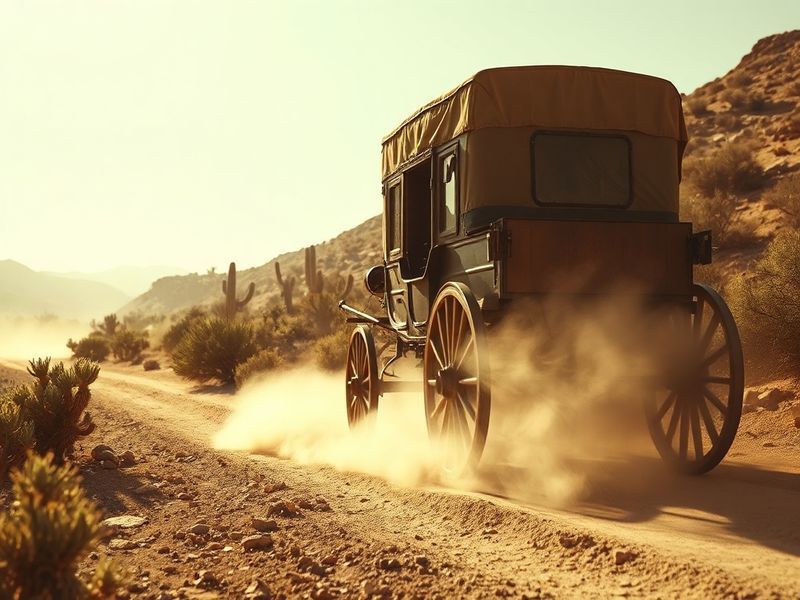
The 2024 Stagecoach livestream proved that music festivals are no longer bound by geography. They are evolving into multimedia experiences that can unite global audiences under a shared cultural banner. As technology advances and internet accessibility improves, the next frontier may include virtual reality stages, interactive fan polls, and AI-curated setlists. One thing is certain: the stagecoach is not just a mode of transportation anymore. It’s a symbol of how live music can travel across borders, cultures, and screens.
“The livestream allowed us to share the heart of Stagecoach with the world. It wasn’t about replacing the experience—it was about making it accessible to anyone, anywhere.” — Festival Organizer, Anonymous
For fans of country and Americana music, the Stagecoach livestream was a reminder of the genre’s enduring power. For the music industry, it was a case study in innovation and adaptability. And for the world, it was a glimpse into the future of live entertainment—one where the only limit is imagination.