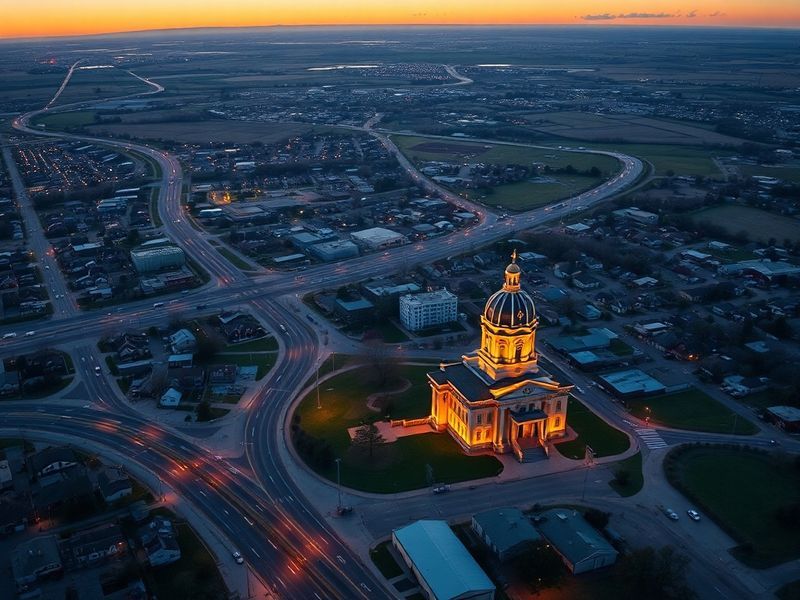
Tarrant County stands as a cornerstone of North Texas, blending rapid urban expansion with deep-rooted history. Home to Fort Worth—the state’s fifth-largest city—it serves as a critical hub for business, healthcare, and culture. With a population exceeding 2.1 million, the county reflects both the opportunities and pressures of modern metropolitan growth.
The Economic Backbone of the Metroplex
Tarrant County’s economy thrives on diversity. Healthcare, aerospace, and logistics form its core industries, anchored by major employers like Texas Health Resources, Lockheed Martin, and American Airlines. The county’s strategic location near Dallas/Fort Worth International Airport (DFW) enhances its appeal to logistics and manufacturing firms.
In recent years, Tarrant County has seen a surge in tech-related jobs, particularly in data centers and fintech startups. The presence of the University of Texas at Arlington fuels a steady pipeline of talent, while initiatives like the Fort Worth Tech Hub aim to solidify its reputation as a tech destination. Yet, this growth is not without friction. Rising housing costs and infrastructure strains challenge long-term sustainability.
Key Economic Drivers in Tarrant County
- Healthcare: Major systems such as Baylor Scott & White and JPS Health Network drive employment.
- Aerospace & Defense: Lockheed Martin’s Fort Worth facility remains a global leader in military aviation.
- Logistics & Transportation: Proximity to DFW Airport and interstate networks supports distribution giants.
- Higher Education: UT Arlington and Tarrant County College contribute to workforce development.
The county’s economic resilience is evident in its ability to attract Fortune 500 companies. In 2023, Toyota North America announced a $1.3 billion expansion in Plano (Dallas County), but neighboring Tarrant County continues to court similar projects. Local leaders emphasize workforce training and incentive programs to maintain competitiveness.
Urbanization and Infrastructure: Balancing Progress with Livability
Tarrant County’s landscape is a study in contrasts. Downtown Fort Worth’s revitalized Sundance Square buzzes with nightlife and corporate offices, while rural areas like Aledo and Keller offer quiet suburban living. The Trinity River Vision—a $1.1 billion project—seeks to transform the riverfront into a recreational and economic asset, though progress has faced delays.
Transportation remains a critical issue. The county’s roadways, including I-30 and Loop 820, are among the most congested in Texas. The TEXpress Lanes project aims to alleviate some pressure by introducing toll lanes, but public skepticism persists. Meanwhile, the expansion of DART’s commuter rail into Tarrant County has sparked debate over cost versus accessibility.
Challenges of Rapid Growth
- Housing Affordability: Median home prices in Fort Worth rose 68% from 2019 to 2024, pricing out middle-class buyers.
- Water Security: The Trinity River Basin faces increasing demand amid recurring droughts.
- Traffic Congestion: DFW ranks as the fourth-most congested metro area in the U.S., per INRIX data.
- School District Strain: Fast-growing areas like Keller ISD and Mansfield ISD struggle with overcrowding and funding gaps.
Environmental advocates warn that unchecked development could degrade air quality and strain water resources. The city of Fort Worth has responded with stricter building codes and green infrastructure incentives, but enforcement varies across municipalities. The tension between growth and sustainability will define Tarrant County’s future.
Cultural and Social Dynamics: A County of Many Faces
Tarrant County’s cultural fabric is rich and varied. The Kimbell Art Museum and the Modern Art Museum of Fort Worth draw international visitors, while the Fort Worth Stockyards preserve the city’s Western heritage. The county’s Latino population—now nearly 30%—has reshaped local cuisine, festivals, and political engagement.
Education and healthcare disparities highlight socioeconomic divides. While Fort Worth’s Near Southside boasts trendy lofts and microbreweries, areas like Stop Six grapple with poverty and limited access to fresh food. Nonprofits like Tarrant Area Food Bank and the Fort Worth Chamber of Commerce work to bridge these gaps through targeted programs.
“Tarrant County’s strength lies in its diversity, but that same diversity demands intentional investment in equity. We can’t just grow—we must grow together.” — Dr. E. R. Bills, Historian and Community Activist
The Path Forward: Policy and Vision
Local government faces a delicate balancing act. Tarrant County Judge Glen Whitley has championed regional cooperation, but political fragmentation—with 49 separate cities—complicates unified action. The 2024 elections saw a surge in voter turnout, reflecting heightened public interest in zoning laws, education funding, and public safety.
Innovative solutions are emerging. The Tarrant County Housing Partnership’s “Housing First” initiative tackles homelessness by prioritizing permanent supportive housing. Meanwhile, the Panther Island project—a $1.3 billion flood control and urban renewal effort—aims to create a walkable, mixed-use district along the Trinity River.
Looking ahead, Tarrant County’s ability to manage growth will determine whether it remains a model of Texas prosperity or succumbs to the pitfalls of unplanned expansion. The decisions made today will echo for decades, shaping the lives of millions who call this region home.
For those tracking the pulse of North Texas, Tarrant County offers a case study in resilience, ambition, and the complexities of progress. Its story is far from over—and neither are the challenges it must confront.
Resources for Further Exploration
To dive deeper into Tarrant County’s economic and cultural landscape, explore these related articles: