The 1988 bombing in Dunmurry, a quiet suburb of Belfast, remains one of the most devastating incidents of Northern Ireland’s Troubles. On December 15, 1988, a Provisional IRA (PIRA) unit detonated a massive car bomb outside a local shopping center, killing two civilians and injuring dozens. The attack, which came just days after a PIRA mortar strike on a police station in Derry, underscored the escalating violence of the era and left a lasting scar on the community.
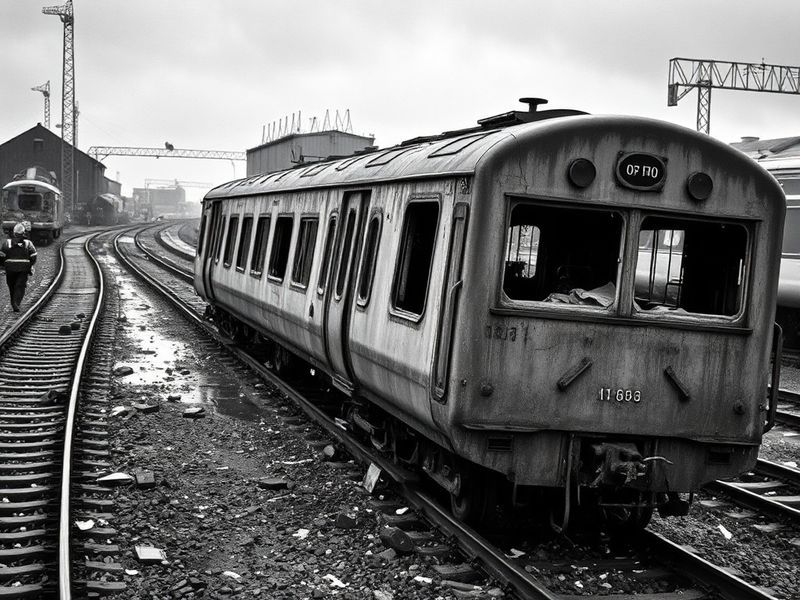
The bomb exploded at approximately 1:30 PM outside the Dunmurry Square shopping complex, a bustling hub for locals. The blast shattered windows, collapsed walls, and sent debris flying across the street. Witnesses described scenes of chaos, with emergency services struggling to reach the injured amid the thick smoke and rubble. The explosion was so powerful that it was heard miles away, a stark reminder of the PIRA’s evolving tactics in targeting civilian areas.
The Attack and Its Immediate Aftermath
The bomb contained an estimated 80 to 100 pounds of explosives, a significant increase from earlier PIRA devices. Authorities later confirmed that the explosives were transported from the Republic of Ireland, highlighting the cross-border nature of the conflict. The PIRA issued a coded warning to a Belfast newspaper just 20 minutes before the blast, but the evacuation efforts were hampered by the bomb’s proximity to the shopping center and the lack of clear communication.
Two civilians, 60-year-old John Hanna and 61-year-old Thomas Gibson, were killed in the attack. Hanna, a retired postman, was walking near the shopping center when the bomb detonated. Gibson, a local shopkeeper, died from his injuries days later. The attack also injured 30 people, some critically, including a young girl who lost her leg in the blast. The long-term physical and psychological toll on survivors and witnesses was profound, with many struggling with PTSD and other trauma-related conditions for decades.
The Political Fallout
The bombing sparked widespread condemnation from political leaders across the spectrum. British Prime Minister Margaret Thatcher described the attack as an act of “pure evil,” while Irish Taoiseach Charles Haughey condemned the PIRA’s targeting of civilians. In Northern Ireland, the attack further polarized communities, with unionist politicians calling for a harder line against the PIRA and nationalist leaders condemning the attack while reiterating calls for a political solution.
The incident also intensified debates about the PIRA’s strategy of bombing civilian areas. Critics argued that the attack demonstrated the group’s disregard for human life, while supporters claimed it was a necessary tactic in their fight against British rule. The bombing came just months after the PIRA’s highly controversial mortar attack on the RUC station in Derry, which killed a civilian and injured several police officers. Together, these attacks reinforced the perception that the PIRA was escalating its campaign of violence.
The Community’s Response
Despite the devastation, the Dunmurry community responded with resilience. Local churches and community groups organized vigils and fundraisers for the victims and their families. The Dunmurry Square shopping center, which was heavily damaged in the blast, became a symbol of both loss and recovery. It was rebuilt and reopened within months, though many locals avoided the area for years out of fear or lingering trauma.
One of the most poignant legacies of the bombing is the memorial garden that now stands near the site of the explosion. The garden, dedicated to Hanna and Gibson, features a plaque with their names and a sculpture of an oak tree, symbolizing strength and endurance. Annual remembrance services are held at the site, attended by local residents, politicians, and representatives from both sides of the community.
The Broader Context of the Troubles
The Dunmurry bombing was not an isolated incident but part of a broader pattern of violence during the late 1980s. The PIRA’s campaign had entered a new phase, characterized by larger bombs, more sophisticated tactics, and a willingness to target civilians. This shift was partly a response to the British government’s tightening of security measures, which made it harder for the PIRA to strike military or police targets.
By 1988, the PIRA had also begun to focus on economic targets, aiming to disrupt Northern Ireland’s economy and undermine public confidence in the government. The Dunmurry bomb fit into this strategy, as the shopping center was a vital commercial hub for the area. The attack was followed by further high-profile bombings, including the 1990 Remembrance Day bombing in Enniskillen, which killed 11 people and marked a turning point in international public opinion against the PIRA.
The Role of Intelligence and Security Failures
In the aftermath of the bombing, questions were raised about the failures of British intelligence and security forces. Critics argued that the PIRA’s ability to transport and detonate such a large bomb suggested gaps in surveillance and border security. The PIRA’s use of coded warnings also highlighted the challenges of responding to real-time threats in a conflict zone.
However, some analysts pointed to the PIRA’s internal discipline and operational security as key factors in their success. The group’s ability to evade capture for decades underscored the limitations of British counterterrorism efforts. It wasn’t until the late 1990s, with the signing of the Good Friday Agreement, that the PIRA’s campaign of violence began to wind down.
Legacy and Lessons Learned
Today, the Dunmurry bombing is remembered as a dark chapter in Northern Ireland’s history, one that underscored the human cost of the Troubles. The attack serves as a reminder of the indiscriminate nature of conflict and the long-term damage it inflicts on communities. For many survivors and families of the victims, the memory of that day remains vivid, a stark contrast to the relative peace that now exists in Northern Ireland.
The bombing also highlighted the importance of community resilience in the face of adversity. The way the people of Dunmurry came together to rebuild and remember offers a model for other communities dealing with the aftermath of violence. It is a testament to the human spirit’s capacity to endure, even in the darkest of times.
The Path to Peace
The Dunmurry bombing occurred just over a decade before the Good Friday Agreement, which finally brought an end to the Troubles. The agreement, signed in 1998, established a power-sharing government in Northern Ireland and paved the way for the decommissioning of paramilitary groups, including the PIRA. While the agreement did not erase the memories of past violence, it provided a framework for reconciliation and a shared future.
The Dunmurry bombing remains a poignant example of the cost of conflict and the importance of dialogue in resolving disputes. It is a story of loss, resilience, and ultimately, hope—a reminder that even in the darkest moments, there is always the possibility of healing.
Resources for Further Reading
For those interested in learning more about the Troubles and the Dunmurry bombing, the following resources offer additional insights:
- Northern Ireland Office archives – Official government documents and reports on the Troubles.
- CAIN (Conflict Archive on the INternet) – A comprehensive database of materials on the conflict in Northern Ireland.
- Sutton Index of Deaths from the Troubles – A detailed list of fatalities during the conflict, including the Dunmurry bombing.
- Books:
- “The Troubles: Ireland’s Ordeal 1966–1998” by Tim Pat Coogan
- “Milestones in Murder: Defining Moments in Ulster’s Terror War” by Martin Dillon
These resources provide a deeper understanding of the historical, political, and social context of the Dunmurry bombing and the broader conflict. They also highlight the importance of preserving the memories of those who lost their lives and the communities that endured so much.