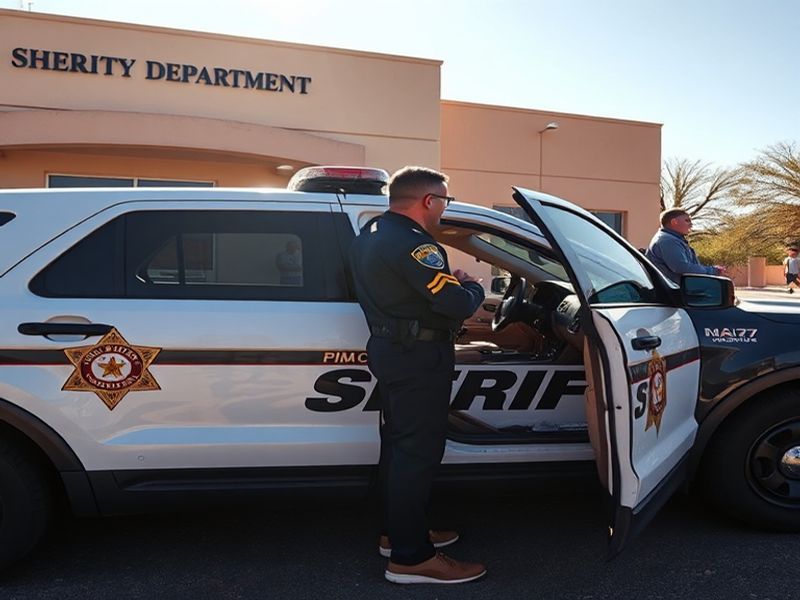
The city of Austin, Texas, has once again found itself at the center of national attention following a recent shooting incident. While details continue to emerge, the event has already sparked conversations about public safety, gun legislation, and community resilience. This is what authorities have confirmed so far.
Timeline of Events
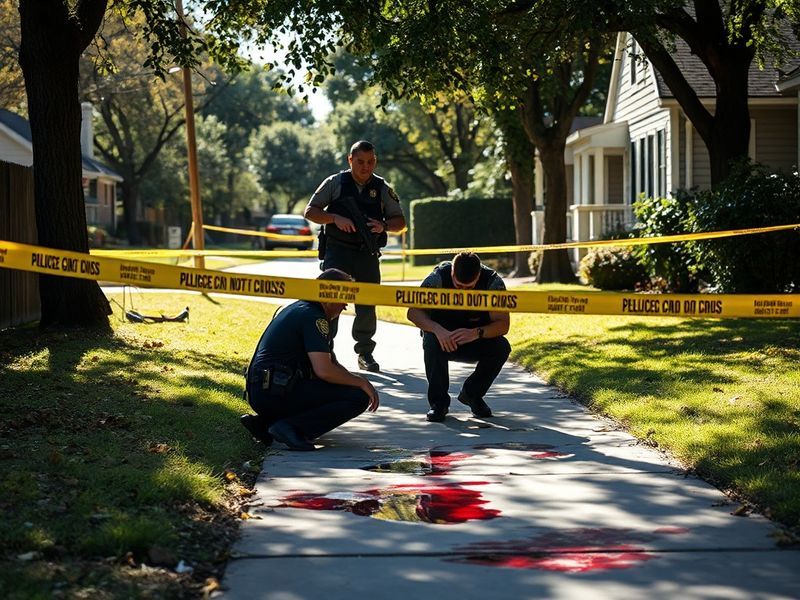
The incident unfolded on a Tuesday evening near the intersection of Sixth Street and Brazos, an area known for its nightlife and heavy foot traffic. According to Austin Police Department reports, officers responded to reports of gunfire around 10:47 PM. Upon arrival, they discovered multiple victims and secured the perimeter.
Emergency services transported at least six individuals to nearby hospitals, where two were pronounced dead at the scene. The remaining victims are currently receiving treatment for non-life-threatening injuries. Authorities have not yet released the identities of those involved, citing ongoing investigations.
Key Details Confirmed
- Incident occurred near Sixth Street and Brazos at approximately 10:47 PM
- Six victims transported to area hospitals; two fatalities reported
- Authorities have not released suspect descriptions or motives
- No active shooter situation remains; scene declared secure
Broader Implications for Public Safety
This shooting joins a growing list of incidents that have raised questions about public safety in urban nightlife districts. Austin’s Sixth Street corridor has long been a popular destination for both locals and tourists, but its high concentration of bars and clubs has made it a recurring flashpoint for violence.
Local officials have pointed to increased police patrols in the area as a preventive measure. However, critics argue that reactive policing alone cannot address the root causes of such incidents. Community leaders have called for expanded mental health resources and conflict resolution programs as long-term solutions.
The incident also reignites debates about gun control legislation in Texas. With some of the nation’s most permissive firearm laws, Texas has seen a steady rise in gun-related incidents over the past decade. Advocacy groups on both sides of the issue are expected to intensify their lobbying efforts in the coming weeks.
Community Response and Recovery
In the aftermath of the shooting, Austin residents have demonstrated resilience and solidarity. Local businesses boarded up windows as a precaution, while community organizations set up vigils to honor the victims. Social media has become a hub for information sharing, with hashtags like #AustinStrong trending among locals.
City officials have pledged transparency in their investigation, urging anyone with information to come forward. A joint task force involving state and federal agencies is now assisting local law enforcement in piecing together the events leading up to the shooting.
What’s Next for Austin?
As the investigation continues, Austin faces critical decisions about its future. Will this incident prompt meaningful policy changes, or will it be absorbed into the city’s broader history of urban violence? The answers may shape Austin’s reputation as both a vibrant cultural hub and a safe place to live.
For now, residents and visitors alike are left to process the event and consider their roles in fostering a safer community. Whether through advocacy, vigilance, or simply checking on neighbors, the path forward remains uncertain but undeniably urgent.
For more insights into urban safety trends, visit our News section. To explore the intersection of policy and public safety, check out Politics coverage.