Cinco de Mayo: History, Global Celebrations & Cultural Impact
“`html
Cinco de Mayo: A Global Celebration Rooted in History
Cinco de Mayo, observed on May 5th each year, is often misunderstood outside its country of origin. While it commemorates the Mexican army’s victory over French forces at the Battle of Puebla in 1862, its significance extends far beyond Mexico’s borders. The holiday has evolved into a global phenomenon, blending historical remembrance with cultural expression, commercial celebration, and even political symbolism. To understand its true impact, one must look beyond the margaritas and sombreros to the historical context and modern adaptations.
The Historical Roots of Cinco de Mayo
The origins of Cinco de Mayo trace back to a pivotal moment in Mexican history. In the early 1860s, Mexico was recovering from the Mexican-American War and the Reform War, leaving the country financially strained and politically unstable. France, under Emperor Napoleon III, saw an opportunity to expand its influence in the Americas. With Mexico unable to repay its foreign debts, France invaded, aiming to establish a French-controlled empire in Mexico.
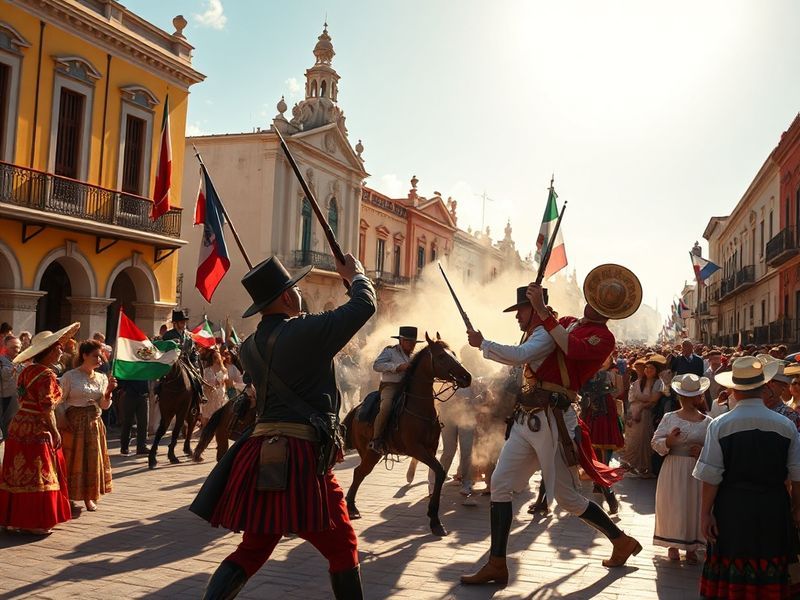
The Battle of Puebla on May 5, 1862, was a David-and-Goliath moment. A poorly equipped Mexican army, led by General Ignacio Zaragoza, faced a well-armed French force. Against all odds, the Mexican troops emerged victorious, delivering a symbolic blow to French ambitions. While the victory did not end the French occupation—Mexico would later fall under French rule until 1867—the battle became a rallying cry for Mexican resistance and national pride.
In Mexico, Cinco de Mayo is primarily observed in the state of Puebla, where the battle took place. Festivities include military parades, reenactments, and educational events that emphasize the historical significance of the day. However, its celebration in the United States and other countries often overshadows its true meaning, transforming it into a broader celebration of Mexican culture and heritage.
Cinco de Mayo Goes Global: Cultural Exchange and Commercialization
Cinco de Mayo’s transition from a national holiday to a global celebration is a testament to the power of cultural exchange. In the United States, the holiday gained traction in the 1960s and 1970s, largely due to the Chicano Movement, which sought to celebrate and affirm Mexican-American identity. Cities with large Mexican-American populations, such as Los Angeles, Chicago, and Houston, began hosting festivals, concerts, and parades to honor the holiday.
Today, Cinco de Mayo is celebrated in various forms across the globe. In Canada, cities like Vancouver and Toronto host multicultural festivals that highlight Mexican traditions. In Europe, cities such as Berlin and London feature Mexican-themed parties, often organized by expatriate communities. Even in Japan, Cinco de Mayo has found a niche, with bars and restaurants offering special menus and events.
However, this global spread has also led to commercialization. Brands often market Cinco de Mayo as an excuse for parties, promotions, and sales, sometimes overlooking its historical roots. For example, beer companies frequently associate the holiday with drinking culture, while food chains offer limited-time specials on tacos and other Mexican-inspired dishes. While these commercial activities can introduce people to Mexican culture, they also risk reducing the holiday to a mere excuse for revelry.
How Cinco de Mayo is Celebrated Around the World
Celebrations of Cinco de Mayo vary widely depending on the country and community. Below are some notable examples:
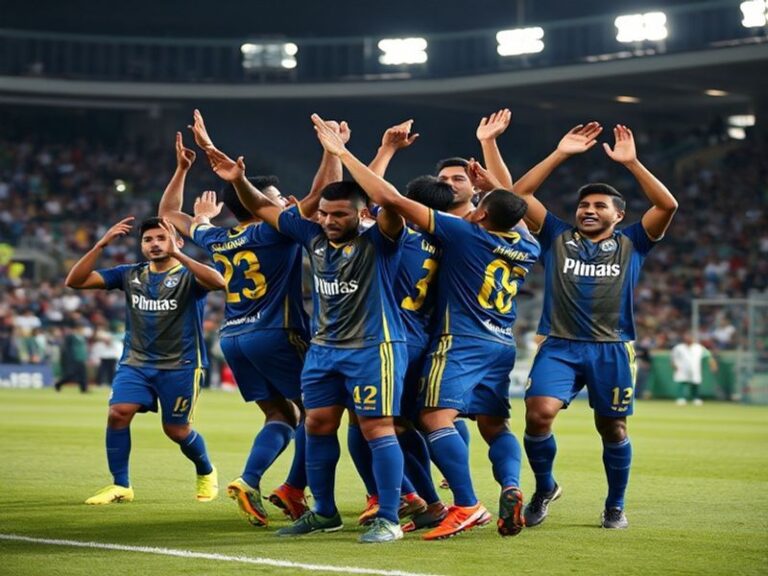
- United States: Cities like Los Angeles and San Antonio host large festivals with live music, dance performances, and traditional food. In some areas, the holiday coincides with sports events, particularly soccer matches featuring Mexican teams.
- Canada: Multicultural festivals in cities like Toronto often include mariachi bands, folkloric dance troupes, and cooking demonstrations that showcase Mexican cuisine.
- France: While Cinco de Mayo is not widely celebrated in France, some Mexican restaurants and cultural organizations host events to commemorate the historical significance of the Battle of Puebla.
- Japan: Mexican-themed bars and restaurants in Tokyo and Osaka offer special menus and cocktails, often accompanied by live music that blends traditional Mexican sounds with local influences.
- Australia: Mexican communities in cities like Sydney and Melbourne organize festivals that feature food stalls, art exhibitions, and workshops on Mexican crafts and traditions.
The Cultural Impact and Symbolism of Cinco de Mayo
Cinco de Mayo’s cultural impact extends beyond mere celebration. For Mexican communities, particularly those living abroad, the holiday serves as a reminder of their heritage and resilience. It is a day to honor the struggles and triumphs of their ancestors while also celebrating their contributions to their adopted countries. This duality is particularly evident in the United States, where Mexican-Americans have played a significant role in shaping the nation’s cultural and political landscape.
The holiday also highlights the power of cultural symbols. Mariachi music, folkloric dance, and traditional Mexican cuisine have become global ambassadors of Mexican culture, often associated with Cinco de Mayo celebrations. However, these symbols are sometimes stripped of their original context, leading to stereotypes or oversimplifications of Mexican culture. For instance, sombreros and fake mustaches are often used as costumes, reducing a rich cultural tradition to a caricature.
Moreover, Cinco de Mayo has been used as a platform for social and political messages. In recent years, the holiday has been linked to discussions about immigration, labor rights, and racial justice, particularly in the United States. Activists have leveraged the holiday to raise awareness about issues affecting Mexican and Latino communities, further cementing its role as a symbol of resistance and solidarity.
Looking Ahead: The Future of Cinco de Mayo
As Cinco de Mayo continues to evolve, its future will likely be shaped by two opposing forces: commercialization and cultural preservation. On one hand, the holiday’s association with parties and promotions shows no signs of fading. Brands will continue to capitalize on the occasion, often prioritizing profit over authenticity. On the other hand, there is a growing movement to reclaim the holiday’s historical significance and cultural depth.
Educational initiatives, such as museum exhibits, documentaries, and school programs, are helping to educate people about the true meaning of Cinco de Mayo. Community organizations are hosting events that focus on Mexican history, art, and literature, offering a more nuanced understanding of the holiday. These efforts are crucial in ensuring that Cinco de Mayo remains more than just a day for festivities—it is a day to reflect on the past, celebrate the present, and inspire the future.
The global celebration of Cinco de Mayo also underscores the importance of cultural exchange in an increasingly interconnected world. As people from different backgrounds come together to honor this holiday, they create opportunities for dialogue, understanding, and mutual respect. Whether through food, music, or shared stories, Cinco de Mayo serves as a bridge between cultures, reminding us of the power of tradition and the beauty of diversity.
In the end, Cinco de Mayo is what communities make of it. For some, it is a day of historical remembrance; for others, a celebration of culture and identity. By embracing its complexity and honoring its origins, we can ensure that Cinco de Mayo remains a meaningful and inclusive observance for generations to come.