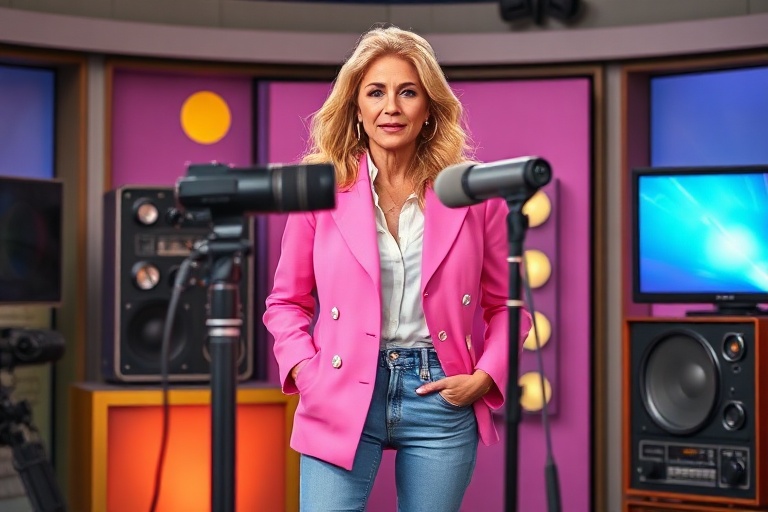
Debbie Harry isn’t just a musician—she’s a cultural force. With her platinum blonde hair, sultry vocals, and rebellious spirit, she became the face of a movement that reshaped music and fashion in the late 1970s. As the lead singer of Blondie, Harry didn’t just perform; she embodied the raw energy of punk while seamlessly blending it with pop sensibilities. Her influence extends far beyond the three-minute bursts of her songs, touching generations of artists who cite her as an inspiration.
What makes Debbie Harry so enduring isn’t just her talent—it’s her authenticity. In an industry often obsessed with image, she stayed true to herself while constantly evolving. Whether she was fronting a punk band in downtown New York or gracing the cover of Rolling Stone, Harry carried an effortless cool that made her impossible to ignore. Decades later, her legacy remains as vibrant as ever, proving that true icons never fade.
The Rise of Blondie and a New Kind of Rock Stardom
Blondie formed in New York City in 1974, emerging from the gritty, creative cauldron of the downtown music scene. At its core were Debbie Harry and guitarist Chris Stein, whose chemistry was electric from the start. The band’s early days were defined by their DIY ethos, playing small clubs like CBGB where punk and new wave collided. Harry, with her striking looks and magnetic stage presence, quickly became the focal point.
Their 1976 self-titled debut album introduced the world to their signature sound—a mix of punk’s aggression, rock’s energy, and Harry’s velvety yet powerful vocals. Songs like “X Offender” and “Rip Her to Shreds” showcased their raw talent, but it was their 1978 breakthrough, Parallel Lines, that catapulted them to global fame. Hits like “Heart of Glass” and “One Way or Another” blurred the lines between punk and pop, creating a blueprint for future artists.
Harry’s role in Blondie was more than just singing—she was a cultural translator. She took the rebellious spirit of punk and made it accessible, proving that music didn’t have to be one-dimensional to be powerful. Her ability to shift between genres—from reggae-infused tracks to new wave anthems—demonstrated her versatility and kept fans engaged for decades.
Beyond the Music: Debbie Harry’s Fashion Legacy
Debbie Harry wasn’t just a musician; she was a fashion icon. In the late 1970s, when punk was still finding its footing, Harry’s style was a breath of fresh air. She blended the edgy aesthetic of punk—leather jackets, ripped fishnets, and safety pins—with a glamour that felt uniquely her own. Her platinum blonde hair, often teased and tousled, became as iconic as her voice.
Harry’s fashion choices weren’t just about shock value; they were a form of self-expression. She challenged conventional beauty standards, embracing an androgynous allure that felt both rebellious and effortlessly chic. Designers like Stephen Sprouse and Manolo Blahnik took notice, collaborating with her to create looks that blurred the line between street style and high fashion.
Her influence extended beyond the stage. In the 1980s, Harry became a muse for photographers and artists alike. Her image graced magazine covers, album art, and even the walls of galleries. Today, her style continues to inspire, from the runways of New York Fashion Week to the wardrobes of modern pop stars. Harry didn’t just wear fashion—she became a part of it.
The Solo Years: Reinvention and Resilience
After Blondie’s initial breakup in 1982, Debbie Harry embarked on a solo career that showcased her depth as an artist. Her 1981 solo album, KooKoo, produced by Nile Rodgers, was a bold departure from Blondie’s sound, incorporating funk and R&B influences. The album’s title track and “Backfired” became hits, proving Harry’s ability to thrive outside the band dynamic.
Throughout the 1980s and 1990s, Harry continued to evolve musically. She collaborated with artists like Iggy Pop and The Jazz Passengers, demonstrating her willingness to experiment. Her 1993 album Debravation featured a mix of rock, pop, and electronic elements, further solidifying her reputation as an artist unafraid to push boundaries.
Harry’s resilience in the face of industry challenges was another testament to her strength. In the late 1990s, as punk and new wave experienced a revival, Blondie reunited for a series of successful tours and albums. Harry’s ability to balance her solo work with her commitments to Blondie highlighted her dedication to her craft and her fans.
Debbie Harry’s Enduring Influence on Pop Culture
Debbie Harry’s impact on pop culture is undeniable. She paved the way for female artists in punk and new wave, proving that women could be both powerful and provocative without compromising their artistry. Her influence can be seen in the work of artists like Gwen Stefani, Avril Lavigne, and even Lady Gaga, who have all cited her as an inspiration.
Harry’s cultural footprint extends beyond music. She’s been a staple in films, appearing in movies like Union City (1980) and Hairspray (1988). Her cameo in Tales from the Crypt in the 1990s further cemented her status as a pop culture icon. Even today, she remains a sought-after figure for interviews, retrospectives, and tributes.
For those looking to explore more about the artists who shaped the punk and new wave movements, check out our Music category for deeper dives into similar legends. Harry’s legacy is a reminder that true icons are defined by their ability to transcend their time, and she’s done just that.
Key Moments in Debbie Harry’s Career
- 1974: Blondie forms in New York City, blending punk and new wave.
- 1978: Parallel Lines is released, featuring hits like “Heart of Glass” and “One Way or Another.”
- 1981: Harry releases her solo debut, KooKoo, produced by Nile Rodgers.
- 1999: Blondie reunites for a successful tour and subsequent albums, revitalizing their career.
- 2016: Harry is honored with a Lifetime Achievement Award at the Grammys.
Why Debbie Harry Still Matters Today
In an era where artists are often judged by their social media presence, Debbie Harry’s authenticity feels more relevant than ever. She never chased trends; she set them. Her ability to reinvent herself while staying true to her roots is a lesson in artistic integrity. For younger generations, she’s a reminder that cool isn’t about following the rules—it’s about breaking them.
Harry’s music continues to resonate with new listeners, proving that great art transcends generations. Whether it’s the rebellious energy of “Rapture” or the smooth grooves of “Call Me,” her songs remain timeless. Her fashion choices, too, have left an indelible mark, inspiring designers and fans alike to embrace individuality.
As we look back on Debbie Harry’s career, it’s clear that her legacy is more than just nostalgia. She’s a testament to the power of self-expression, resilience, and the unshakable belief that art can change the world. For those who’ve followed her journey, Debbie Harry isn’t just an icon—she’s a legend.