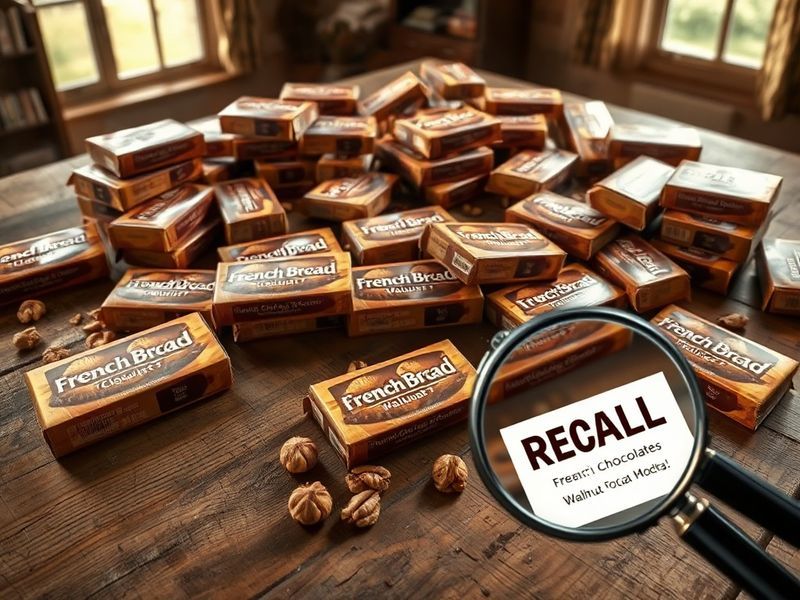
French Broad Chocolates Walnut Recall: What You Need to Know
French Broad Chocolates Issues Voluntary Walnut Recall After FDA Inspection
French Broad Chocolates, a revered artisan chocolate maker based in Asheville, North Carolina, announced a voluntary recall of its walnut-infused chocolate bars following an FDA inspection that revealed potential salmonella contamination in the walnuts. The company, known for its bean-to-bar ethos and organic ingredients, emphasized that no illnesses had been reported as of the recall notice issued on June 12, 2024. The affected products include the 3 oz “Walnut Milk Chocolate” bar with a “best by” date of September 10, 2024 and the 3 oz “Dark Chocolate with Toasted Walnuts” bar with a “best by” date of October 5, 2024.
In a statement, French Broad Chocolates stated, “We take food safety with the utmost seriousness and are proactively removing these products from shelves out of an abundance of caution.” The company has halted production of walnut-containing products until further notice and is working with the FDA to trace the source of contamination. Consumers who purchased the recalled items are advised to return them to the point of sale for a full refund.
Why Walnuts Pose Unique Risks in Artisan Chocolate Production
Walnuts, like other tree nuts, have a higher risk of microbial contamination compared to ingredients like cocoa beans, which undergo fermentation and roasting at high temperatures. Salmonella, in particular, can survive on the surface of raw walnuts and may not be fully eliminated during typical drying or processing steps. The FDA’s inspection likely focused on post-harvest handling, storage conditions, or potential cross-contamination during shelling and packaging.
This incident reflects a growing challenge in the specialty food sector, where small-batch producers increasingly incorporate premium ingredients like walnuts, almonds, and hazelnuts into gourmet confections. Unlike large industrial manufacturers with dedicated allergen-free zones, many artisanal producers operate in shared facilities, raising the risk of cross-contact. French Broad Chocolates’ swift recall demonstrates a commitment to transparency, but it also underscores the vulnerabilities in global supply chains that even conscientious brands cannot always control.
According to food safety experts, recalls involving tree nuts have risen by 15% over the past three years, driven in part by increased FDA scrutiny and improved detection methods. The agency has ramped up testing for pathogens in nuts, especially those sourced from regions with variable agricultural standards.
Global Context: How Contamination Spreads Across Artisan and Industrial Supply Lines
The walnut recall highlights a broader issue in the food industry: the globalization of ingredient sourcing and the difficulty of maintaining consistent safety standards across borders. Many artisan chocolate makers, including French Broad, source their walnuts from California’s Central Valley, one of the world’s largest walnut-producing regions. While U.S. growers adhere to strict food safety regulations, imported nuts—particularly from Turkey, China, or Chile—may follow different protocols.
In 2023, a major salmonella outbreak linked to imported pistachios from Turkey led to over 100 illnesses across Europe and North America. The incident prompted the European Food Safety Authority (EFSA) to issue new guidelines for nut imports, emphasizing traceability and third-party audits. Similarly, in 2022, a peanut butter recall in the U.S. traced contamination to a facility in Vietnam, revealing gaps in oversight for products consumed worldwide.
The French Broad case also reflects a cultural shift in consumer preferences. As more people seek organic, non-GMO, and ethically sourced foods, demand for raw and minimally processed ingredients has surged. Yet, these very ingredients—often prized for their natural state—can carry higher microbial risks. The artisan food movement, while celebrated for its transparency and craftsmanship, must now reconcile its ideals with the realities of food safety science.
What Consumers Should Know and How Brands Can Respond
For consumers, the recall serves as a reminder to always check product labels and lot numbers, even when purchasing from trusted brands. While salmonella is rarely life-threatening in healthy adults, it can cause severe illness in children, the elderly, and immunocompromised individuals. Symptoms typically appear within 6 to 72 hours and include fever, diarrhea, and abdominal cramps.
For food producers, the incident offers several lessons:
- Enhanced supplier vetting: Brands must go beyond organic or fair-trade certifications to verify food safety protocols at every stage of the supply chain.
- Facility segregation: Even small producers should consider dedicated processing lines for high-risk ingredients like nuts.
- Proactive testing: Routine pathogen screening, even for raw ingredients, can prevent costly recalls and protect public health.
- Clear communication: Transparency with consumers builds trust, especially when recalls occur. French Broad’s prompt response is a model for the industry.
As the food industry continues to evolve, the balance between artisanal integrity and safety compliance will remain a defining challenge. Small producers like French Broad Chocolates play a vital role in preserving culinary traditions and supporting local economies. Yet, their success hinges on adopting modern food safety practices without compromising the values that define their craft.
The walnut recall is not just a setback for one company—it’s a case study in the complexities of feeding a globalized world. It reminds us that even the most carefully crafted foods are only as safe as the systems that produce them.
Looking Ahead: The Future of Safe, Sustainable Artisan Foods
In response to growing concerns, industry groups are advocating for better resources and training programs tailored to small and mid-sized food businesses. Organizations like the Asheville Chocolate Festival have begun hosting food safety workshops for local producers, emphasizing the importance of HACCP (Hazard Analysis Critical Control Points) plans.
Meanwhile, consumers are increasingly demanding not only delicious but also responsible foods. Brands that prioritize both quality and safety will not only survive but thrive in an era where trust is the ultimate luxury.
As French Broad Chocolates navigates this recall, it has an opportunity to reinforce its reputation as a leader in ethical and safe chocolate-making. The incident may be a temporary setback, but it could also serve as a turning point for the entire artisan food community.