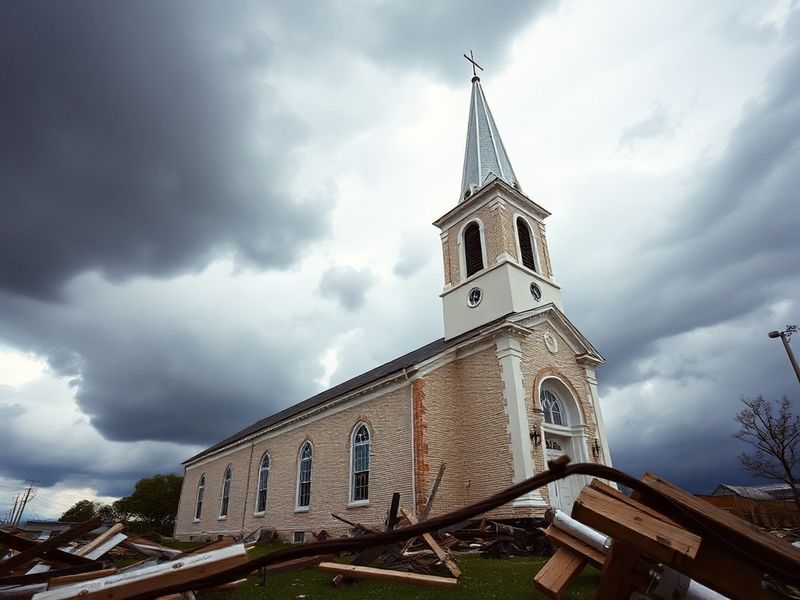
Joplin, MO: How a City Rebuilt After the 2011 Tornado
“`html
Joplin, MO: A City Rebuilt and Reimagined After Devastation
Joplin, Missouri, stands as a testament to resilience. The city of roughly 52,000 residents has transformed from a symbol of destruction to one of renewal, all while preserving its identity. In 2011, an EF5 tornado carved a path of destruction through the heart of Joplin, killing 161 people and causing over $2 billion in damages. More than a decade later, the city’s recovery offers lessons in community strength, urban planning, and economic adaptation.
The Tornado That Changed Everything
The May 22, 2011 tornado was one of the deadliest in modern U.S. history. With winds exceeding 200 miles per hour, it destroyed over 8,000 buildings, including St. John’s Regional Medical Center and Joplin High School. Entire neighborhoods were reduced to rubble, and the emotional toll on residents was immeasurable. Yet, amidst the chaos, stories of heroism emerged. Neighbors rescued strangers. First responders worked around the clock. Volunteers from across the country arrived within days to assist with cleanup and recovery efforts.
The disaster also exposed vulnerabilities in infrastructure and emergency response systems. Hospitals, schools, and businesses had to rebuild from scratch, often incorporating new safety standards. The rebuilding process became a balancing act between honoring the past and preparing for the future.
Rebuilding with Purpose: Urban Planning and Innovation
Joplin’s recovery was not just about reconstruction—it was about reimagining. The city adopted a forward-thinking approach to urban planning, integrating green spaces, storm shelters, and resilient building codes. One of the most notable projects was the construction of the Joplin High School/Middle School complex, which became a model for storm-resistant architecture. The building features reinforced concrete, safe rooms, and energy-efficient design, serving as a symbol of the city’s commitment to safety and sustainability.
The Joplin Innovation Center also emerged as a hub for economic diversification. After the tornado, leaders prioritized attracting new industries to reduce reliance on a single sector. Today, the center supports startups in technology, manufacturing, and healthcare, fostering a more diversified local economy. This shift has not only created jobs but also positioned Joplin as a regional leader in innovation.
Key Aspects of Joplin’s Recovery
- Community-Driven Rebuilding: Residents played a central role in decision-making, ensuring the rebuilt city reflected their needs and values.
- Storm-Resistant Infrastructure: New buildings incorporated advanced engineering to withstand future disasters, including underground storm shelters in residential areas.
- Economic Diversification: Efforts to attract new industries reduced dependence on a single economic driver, strengthening long-term stability.
- Psychological Recovery: Mental health resources and community programs helped residents process trauma and rebuild their lives.
Lessons for Other Cities Facing Disaster
Joplin’s story offers broader insights for communities grappling with natural disasters. The city’s recovery highlights the importance of preparedness, adaptability, and community engagement. While no two disasters are alike, Joplin’s approach—prioritizing both physical and emotional recovery—provides a framework for other cities. For instance, the emphasis on storm-resistant infrastructure has influenced building codes in tornado-prone regions. Similarly, the focus on economic diversification demonstrates how cities can future-proof their economies against unforeseen shocks.
However, challenges remain. Disaster recovery is not linear. Some residents still struggle with financial burdens from the tornado, and debates continue about how to balance growth with affordability. Additionally, climate change poses new risks, making it imperative for cities like Joplin to remain vigilant.
A City That Looks Forward
Today, Joplin is a city reborn. The skyline is a mix of restored historic buildings and modern structures, each telling a story of resilience. Annual events, such as the Joplin Tornado Memorial Run, honor the lives lost while celebrating the city’s progress. Meanwhile, local businesses thrive, and new developments are underway, signaling continued growth.
Joplin’s journey underscores a powerful truth: disasters may test a community’s limits, but they do not define its future. By embracing innovation, fostering unity, and planning for the long term, Joplin has turned tragedy into opportunity. Its story is a reminder that recovery is not just about rebuilding—it’s about reimagining what a city can become.
For those interested in exploring similar resilience stories, visit Dave’s Locker Trending for more articles on communities overcoming adversity. To dive deeper into urban planning and disaster recovery, check out Dave’s Locker Analysis.
As Joplin continues to evolve, its experience serves as both a cautionary tale and an inspiring example. In an era where climate-related disasters are becoming more frequent, Joplin’s story is a blueprint for resilience—one that other cities would do well to study.