King’s Day in the Netherlands: More Than Just a National Holiday
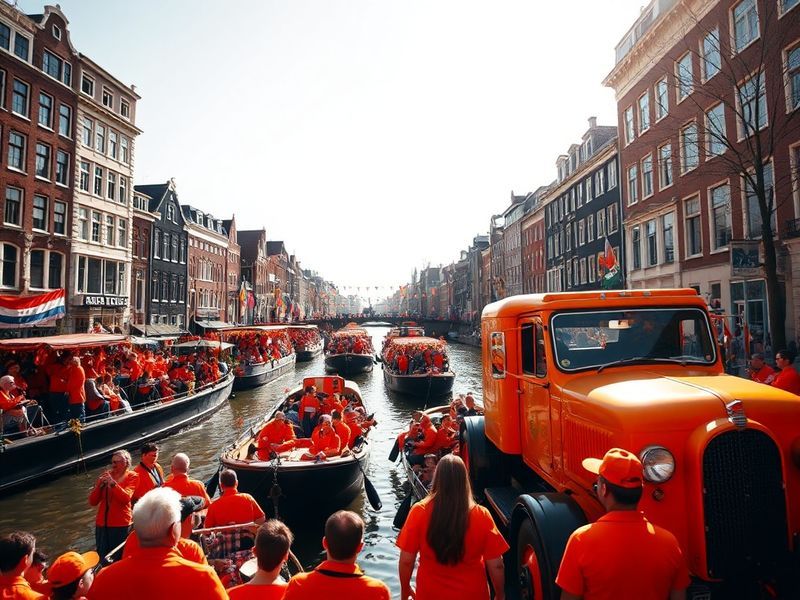
Every April 27, the Netherlands transforms into a sea of orange. Streets fill with people wearing orange clothing, children sell homemade goods on sidewalks, and houseboats line Amsterdam’s canals, all in celebration of King’s Day. This national holiday is more than just a birthday party for the monarch—it’s a cultural institution, an economic driver, and a reflection of Dutch identity.
The origins of King’s Day trace back to 1885, when it was first celebrated as Princess’s Day in honor of Princess Wilhelmina’s fifth birthday. Over time, the holiday evolved alongside the monarchy. When Queen Beatrix ascended the throne in 1980, she moved the celebration to her mother’s birthday, April 30, to align with tradition. Her son, King Willem-Alexander, later shifted the date back to his own birthday in 2014, solidifying April 27 as the permanent King’s Day.
The Cultural and Social Significance of King’s Day
King’s Day is deeply rooted in Dutch society. It’s a day when social hierarchies blur—royalty mingles with the public, and citizens of all backgrounds participate in the festivities. The color orange, derived from the royal family’s House of Orange-Nassau, dominates the celebrations, symbolizing unity and national pride.
One of the holiday’s most unique traditions is the vrijmarkt (free market), where anyone can set up a stall to sell secondhand goods. This tradition not only encourages community engagement but also provides an opportunity for entrepreneurs, especially young people, to earn extra income. The vrijmarkt reflects the Dutch value of pragmatism and resourcefulness, turning a national holiday into an economic microcosm.
Beyond the markets, King’s Day is a day of music and performance. Cities like Amsterdam, Utrecht, and The Hague host free concerts and street parties. The atmosphere is lively, with DJs, live bands, and spontaneous gatherings creating a sense of collective joy. For many, King’s Day is a rare moment when the country feels truly united.
Economic Impact: A Day of Revenue and Opportunity
King’s Day isn’t just a cultural event—it’s a significant economic driver. According to the Dutch Chamber of Commerce, the holiday generates millions in revenue for local businesses, particularly those selling orange merchandise, food, and beverages. The Amsterdam City Council estimated that the 2023 celebrations alone brought in over €50 million in economic activity.
The tourism industry also benefits. Hotels, restaurants, and tour operators see a surge in bookings, as visitors from around the world flock to the Netherlands to experience the festivities firsthand. Amsterdam’s canals, in particular, become a major attraction, with houseboat parties drawing crowds eager to celebrate in a unique setting.
For small businesses and street vendors, King’s Day is a prime opportunity. The vrijmarkt allows entrepreneurs to test new products, clear out old inventory, or launch side hustles. Many Dutch startups trace their origins to a stall they set up during King’s Day, highlighting how the holiday fosters innovation and economic mobility.
Challenges and Controversies
Despite its popularity, King’s Day isn’t without its challenges. The sheer scale of the celebrations often leads to overcrowding, particularly in Amsterdam, where the city’s infrastructure strains to accommodate hundreds of thousands of visitors. Public transportation becomes overwhelmed, and local residents sometimes complain about noise and disruption.
Safety is another concern. The holiday is notorious for excessive alcohol consumption and public intoxication, leading to a rise in emergency services calls. In 2023, Amsterdam police reported over 500 incidents related to public disturbances, including arrests for drunk and disorderly conduct. Authorities have responded with stricter regulations, including alcohol-free zones and increased police patrols.
Environmental impact is also a growing issue. The massive cleanup efforts after King’s Day reveal the holiday’s waste footprint, from discarded orange accessories to trash left in public spaces. Cities have started implementing stricter waste management policies, encouraging participants to recycle and dispose of waste responsibly.
King’s Day as a Reflection of Dutch Identity
At its core, King’s Day encapsulates what it means to be Dutch. It’s a celebration of community, resilience, and creativity—values that have shaped the Netherlands throughout its history. The holiday’s blend of tradition and modernity mirrors the country’s broader cultural evolution.
For the Dutch, King’s Day is more than a day off; it’s a ritual that reinforces national identity. It’s a time when people reconnect with their heritage while embracing the present. Whether through the vrijmarkt, street parties, or simply wearing orange, King’s Day offers a snapshot of Dutch life at its most vibrant.
As the Netherlands continues to evolve, so too will King’s Day. Future celebrations may incorporate more sustainable practices or digital innovations to enhance the experience. Yet, one thing is certain: the spirit of unity and joy that defines King’s Day will endure.
How to Celebrate King’s Day Like a Local
If you’re planning to experience King’s Day, here’s how to make the most of it:
- Wear Orange: Embrace the color. Whether it’s a shirt, hat, or face paint, dressing in orange is essential.
- Explore the Vrijmarkt: Visit a local street market to browse unique finds or try your hand at selling something yourself.
- Attend a Street Party: Cities host free concerts and DJ sets. Check local listings for events near you.
- Visit a King’s Day Boat Party: In Amsterdam, houseboats line the canals. Some are private, but many welcome guests for a fee.
- Try Dutch Treats: Sample stroopwafels, bitterballen, or haring (raw herring) for an authentic taste of Dutch cuisine.
For those unable to attend in person, King’s Day is also celebrated online. Social media platforms light up with orange filters and hashtags like #Koningsdag, allowing global audiences to partake in the festivities. The holiday’s reach extends far beyond the Netherlands, showcasing Dutch culture on a worldwide stage.
The enduring appeal of King’s Day lies in its simplicity and inclusivity. It’s a holiday that belongs to the people, not just the monarchy. In a world often divided by politics and ideology, King’s Day offers a rare moment of collective celebration—a reminder that joy and unity are universal values.
As the Dutch say, “Geen feest zonder oranje.” (“No party without orange.”) And indeed, King’s Day proves that a little orange can go a long way.
For more insights into Dutch culture and travel, explore our Culture and Travel sections on Dave’s Locker.