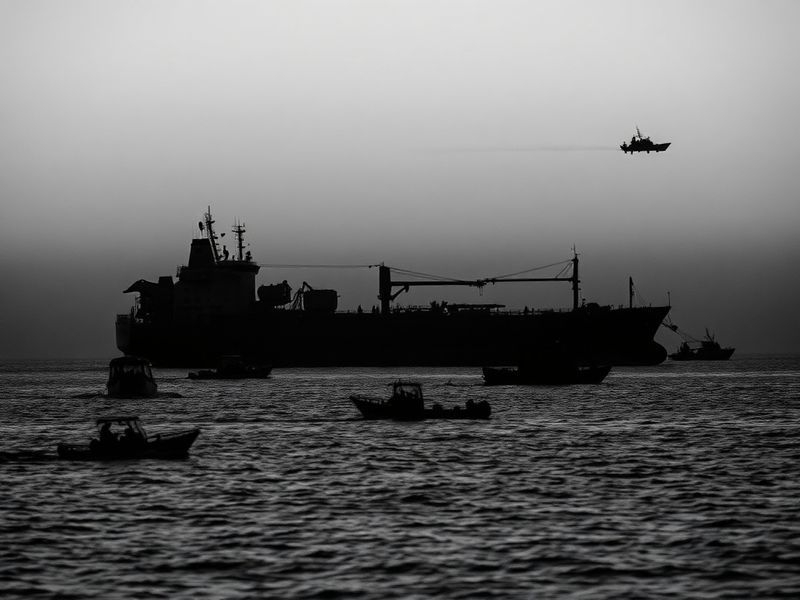
The Rise of the Iranian Shadow Fleet
In the murky waters of global oil trade, a clandestine armada has emerged—one that operates without flags, insurance, or transparency. Known as the Iranian shadow fleet, this collection of aging tankers has become a lifeline for Tehran’s oil exports despite international sanctions. These vessels, often repurposed from scrapped ships, navigate the world’s shipping lanes under the radar, delivering crude oil to buyers in China, Syria, and beyond.
The fleet’s existence reflects a cat-and-mouse game between Iran and Western powers. As sanctions tighten, Tehran has turned to creative solutions to keep its oil flowing. The shadow fleet is not a formal organization but a network of loosely connected operators, shipowners, and intermediaries who exploit gaps in maritime law. Their tactics range from disabling tracking systems to falsifying cargo manifests, making them nearly impossible to trace.
The Mechanics of a Ghost Operation
At the heart of the shadow fleet’s success is its ability to disappear. Many of these tankers are older vessels, purchased at scrap prices from global markets. Once refurbished, they re-enter service with new names, new owners, and new identities. Some are registered under shell companies in countries with lax oversight, while others fly flags of convenience from nations like Panama or Liberia.
The fleet employs several strategies to evade detection. Automatic Identification System (AIS) transponders, which track ships in real time, are often turned off or spoofed. Crews may claim to be carrying unrelated goods, such as grain or chemicals, while secretly transporting oil. In some cases, ships transfer cargo mid-sea to smaller vessels, further obscuring the origin and destination of the oil.
This level of deception requires a sophisticated support network. Ship managers, brokers, and insurers all play a role in keeping the fleet operational. While some may turn a blind eye, others actively facilitate the trade, knowing the risks involved. The shadow fleet’s operations are not just a financial endeavor—they are a testament to the lengths nations will go to bypass economic restrictions.
The Global Impact of Unregulated Oil Trade
The shadow fleet’s activities have far-reaching consequences. For Iran, it means continued revenue despite sanctions, allowing the country to fund its regional ambitions and domestic programs. For global markets, it introduces volatility. Unregulated oil flows can distort prices and undermine efforts by Western nations to isolate Iran economically.
The environmental risks are equally concerning. Older tankers are more prone to spills and accidents, and the lack of oversight means violations often go unpunished. In 2021, the International Maritime Organization reported a surge in substandard vessels, many linked to shadow fleets operating in the Persian Gulf and beyond.
The shadow fleet also intersects with geopolitical tensions. The U.S. and its allies have targeted these operations with sanctions and military patrols, but the fleet adapts quickly. Recent reports indicate that some ships now use encrypted communication channels and blockchain-based documentation to avoid scrutiny. This technological arms race highlights the evolving nature of sanctions evasion.
A Cultural Shift in Maritime Trade
The shadow fleet is more than just a tool of economic survival—it reflects a broader cultural shift in how global trade operates. In an industry built on transparency and regulation, the shadow fleet thrives in the shadows, relying on secrecy and adaptability. This has forced maritime authorities to rethink traditional enforcement methods.
For shipowners and crew, the shadow fleet offers lucrative opportunities but at a steep cost. Many workers face unsafe conditions, delayed wages, and legal jeopardy if caught. Yet, the financial incentives are hard to resist in economies where few alternatives exist. This has created a moral dilemma: is the shadow fleet a necessary workaround for sanctioned nations, or a dangerous precedent for global trade?
The debate extends beyond economics. Human rights organizations have raised concerns about the fleet’s ties to corrupt regimes and illicit activities. Meanwhile, environmental groups warn of the long-term damage posed by unregulated shipping. As the fleet grows, so does the urgency for a coordinated international response.
What’s Next for the Shadow Fleet?
The future of the Iranian shadow fleet remains uncertain. As sanctions evolve, so too will the tactics of those who seek to bypass them. Some analysts predict that the fleet will expand, incorporating more advanced technology to stay ahead of regulators. Others believe that increased pressure from the U.S. and its allies could force a reckoning.
One thing is clear: the shadow fleet is not going away anytime soon. It represents a new frontier in economic warfare, where the rules of global trade are constantly rewritten. For policymakers, the challenge lies in balancing enforcement with the realities of a fragmented international system.
In the meantime, the ghost tankers continue to ply their trade, slipping through the cracks of a system that was never designed to stop them. Their story is a reminder that in the world of sanctions and shadow economies, the lines between legality and survival are often blurred.
As the world watches, the Iranian shadow fleet serves as both a cautionary tale and a case study in resilience. Whether it ultimately collapses under the weight of its own risks or evolves into an even more sophisticated operation remains to be seen. One thing is certain: its impact on global oil markets and maritime law will be felt for years to come.