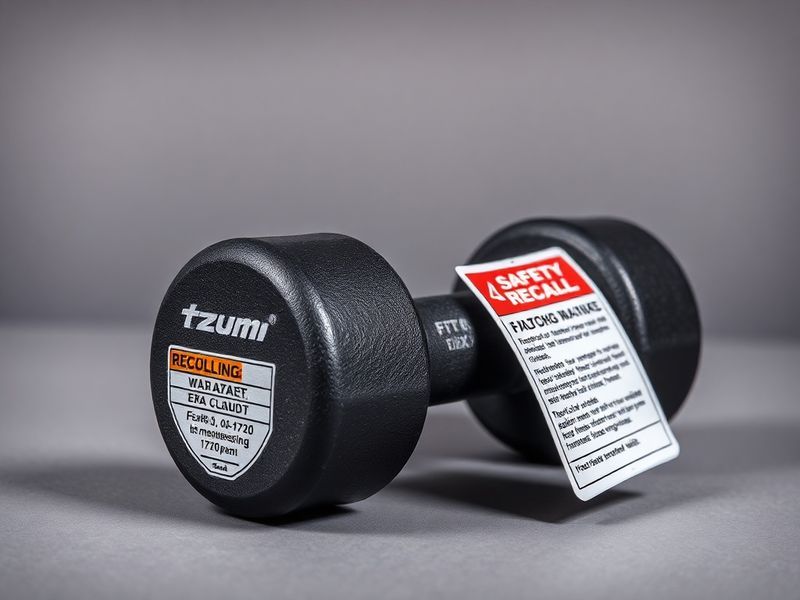
The global fitness equipment market has surged in recent years, driven by home workouts and digital fitness trends. Among the brands capitalizing on this demand was Tzumi, known for its affordable and accessible fitness accessories. However, the company recently faced a significant setback with the recall of its FitRX adjustable dumbbells, a product that had gained traction among casual and serious fitness enthusiasts alike.
Issues emerged in early 2024 when reports surfaced about the dumbbells failing to maintain resistance during use. Users in the United States, Europe, and parts of Asia reported incidents where the weight settings would unexpectedly shift, posing potential safety risks. The recall underscores broader concerns about product quality in the rapidly expanding home fitness industry, where cost-cutting measures can sometimes compromise safety.
How the Recall Unfolded: A Timeline
The recall process began when Tzumi received a growing number of customer complaints. By February 2024, the company had initiated internal testing and confirmed the defect. Within weeks, the U.S. Consumer Product Safety Commission (CPSC) issued an official recall notice, urging consumers to stop using the product immediately.
Key milestones in the recall process include:
- February 12, 2024: Tzumi issues an internal notice to retailers, halting sales of the FitRX dumbbells.
- March 5, 2024: The CPSC announces the recall, citing reports of 47 injuries, including strains and bruises.
- March 18, 2024: Major retailers, including Amazon and Walmart, begin offering full refunds or replacements.
- April 1, 2024: Tzumi launches a global recall campaign, extending beyond the U.S. to include Europe and Canada.
The timeline reflects the urgency with which Tzumi and regulatory bodies responded, though critics argue the delays in initial response may have exacerbated the situation. The recall also highlighted the challenges of managing a global supply chain, where defective products can quickly reach consumers across multiple markets.
The Broader Impact on the Fitness Industry
This recall is not an isolated incident. The fitness equipment industry has seen a rise in product recalls in recent years, fueled by the pandemic-driven boom in home workouts. Brands like Bowflex and NordicTrack have also faced scrutiny over product durability and safety. However, Tzumi’s case stands out due to the scale of its operations and the widespread use of its products in both developed and emerging markets.
In Europe, where the recall extended to countries like Germany and the UK, consumer protection agencies emphasized the need for stricter pre-market testing. The European Commission’s Rapid Alert System for dangerous non-food products (RAPEX) flagged the FitRX dumbbells as a Category 1 risk, the highest level of concern. This classification prompted swift action from retailers and online marketplaces to remove the product from shelves.
For Tzumi, a company that had built its reputation on affordability, the recall poses a reputational risk. The brand’s marketing heavily targeted budget-conscious consumers, many of whom are new to fitness routines. The incident raises questions about whether Tzumi’s rapid expansion outpaced its ability to ensure product safety—a common pitfall for companies scaling up quickly in competitive markets.
Consumer Reactions and Lessons Learned
Social media platforms became a battleground for frustrated consumers. On platforms like Reddit and Facebook groups dedicated to home fitness, users shared their experiences and sought alternatives. Some lamented the loss of investment in what they thought was a reliable product, while others criticized Tzumi’s customer service for slow response times.
One recurring theme in consumer feedback was the lack of awareness about the recall. Despite CPSC’s efforts to publicize the recall through press releases and social media, many users reported never receiving notifications. This gap highlights the challenges of reaching consumers in an era where digital advertising often overshadows traditional recall notices.
For consumers, the recall serves as a reminder to prioritize safety over convenience. Fitness experts recommend researching products thoroughly, checking for recalls on databases like the CPSC’s website, and investing in brands with a proven track record of quality. The incident also underscores the importance of reading user reviews and seeking recommendations from trusted sources before purchasing fitness equipment.
What’s Next for Tzumi and the Fitness Industry?
Tzumi has pledged to improve its quality control processes and work closely with regulators to prevent future incidents. The company is also exploring partnerships with third-party testing labs to restore consumer confidence. However, the recall may have long-term implications for its market position, particularly as competitors like Decathlon and Lululemon’s Mirror division continue to innovate in the home fitness space.
The fitness industry as a whole is likely to face increased scrutiny from regulators, especially as more consumers turn to home workouts. Governments in the U.S. and Europe are considering stricter regulations for adjustable fitness equipment, including mandatory safety certifications. This shift could level the playing field for established brands while making it harder for newer players to enter the market.
For consumers, the recall is a cautionary tale about the trade-offs between affordability and quality. While the allure of budget-friendly fitness gear is understandable, this incident demonstrates that cutting corners can come at a cost—literally. As the home fitness market continues to evolve, both brands and consumers will need to prioritize safety and transparency to ensure sustainable growth.
A Final Thought
The Tzumi FitRX dumbbell recall is more than just a product failure; it’s a reflection of the broader challenges facing the fitness industry today. As demand for home workout solutions grows, so does the responsibility of companies to deliver products that are both accessible and safe. For consumers, the lesson is clear: when it comes to fitness equipment, quality should never be an afterthought.