Peruvian football continues to captivate fans with its unpredictable twists and tactical evolutions. One fixture that consistently delivers intensity is the matchup between Club Universitario de Deportes, the historic powerhouse from Lima, and Alianza Atlético Sullana, the resilient underdog from northern Peru. When these two teams meet, the contrast in their approaches often shapes the narrative of the game as much as the individual performances.
The rivalry between Universitario and Alianza Atlético isn’t defined by historical dominance but by contrasting philosophies. Universitario, with its rich tradition and massive fanbase, often enters matches as the favorite. Alianza Atlético, meanwhile, has carved a reputation as a team that punches above its weight, relying on discipline, tactical awareness, and a knack for capitalizing on set pieces. This dynamic creates a compelling dynamic every time they face off.
Recent seasons have seen Alianza Atlético stabilize in the top tier of Peruvian football, making them a more consistent adversary for the capital-based giants. Universitario, on the other hand, has undergone managerial transitions that have influenced its style of play. The clash between structure and flair, between expectation and execution, makes this fixture a microcosm of Peruvian football’s broader trends.
The Tactical Battle: What Each Team Brings to the Field
Universitario’s identity has shifted in recent years. Under previous management, the club leaned heavily on possession-based football, emphasizing technical midfielders and wingers who could stretch play. The 4-2-3-1 formation was a staple, with creative players like Andy Polo and José Luis Rodríguez operating in advanced roles. However, transitional periods have led to more pragmatic setups, particularly under managers who prioritize defensive solidity before attacking fluidity.
Alianza Atlético, in contrast, has built a reputation for pragmatic football. Their style often revolves around a compact 4-4-2 or 5-4-1 formation, prioritizing defensive organization and quick transitions. Manager Víctor Rivera, who has been instrumental in their recent campaigns, instilled a system that relies on quick counterattacks and set-piece efficiency. Alianza Atlético’s defensive record in recent seasons speaks to their tactical discipline, often conceding fewer chances than higher-budget teams.
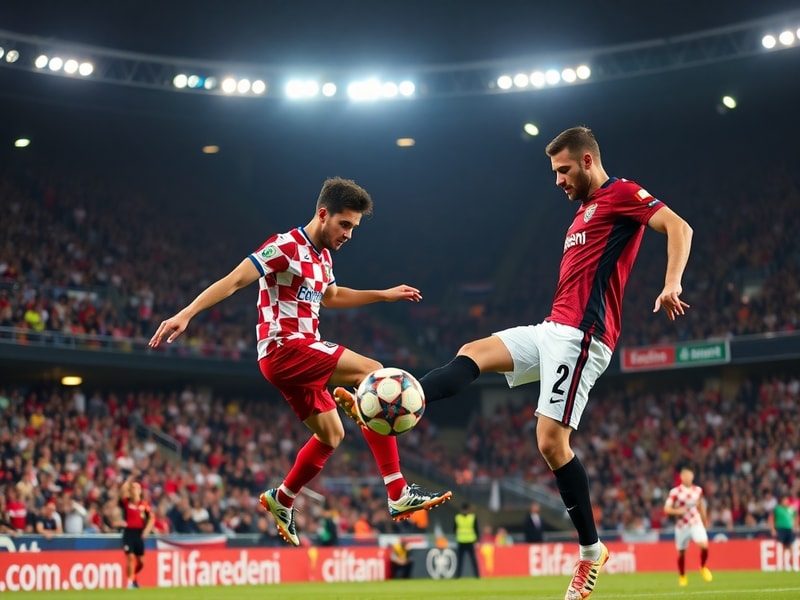
When these two teams meet, the tactical battle becomes a chess match. Universitario’s midfield must navigate through Alianza Atlético’s midfield block, while Alianza Atlético’s forwards look to exploit spaces behind Universitario’s fullbacks. The key to success often lies in midfield duels—where Universitario’s creativity clashes with Alianza Atlético’s physicality and tactical discipline. Recent meetings have shown that Alianza Atlético’s ability to frustrate possession-heavy teams can neutralize Universitario’s strengths.
Set Pieces: The Underrated Deciding Factor
One area where Alianza Atlético has consistently outperformed Universitario is set pieces. In the past five meetings between the two teams, Alianza Atlético has scored from corners or free kicks in three instances. Their aerial dominance, particularly from midfielders like Jeferson Collazos, has been a persistent threat. Universitario, while not devoid of set-piece threats, has often struggled to defend against well-executed deliveries.
Universitario’s set-piece issues have been exacerbated by recent managerial changes. The club has rotated personnel in defensive roles, leading to lapses in marking during corner situations. Alianza Atlético’s coaching staff has exploited this by assigning dedicated players to target specific zones in the box. The contrast is stark: Alianza Atlético’s set-piece routines are meticulously drilled, while Universitario’s often rely on improvisation.
Key Matchups That Could Define the Next Encounter
When Universitario and Alianza Atlético meet, individual duels often take center stage. The battle between Universitario’s playmaker and Alianza Atlético’s defensive midfielder is pivotal. For example, in the 2023 Apertura clash, midfielder Horacio Benincasa of Alianza Atlético effectively neutralized Universitario’s creative hub, restricting their rhythm and forcing errors. Benincasa’s ability to intercept passes and break up play disrupted Universitario’s flow.
Up front, Alianza Atlético’s strikers have often found success against Universitario’s backline. Players like Yorleys Mena have exploited gaps between the center-backs, particularly when Universitario’s wing-backs push forward. Universitario’s defense, while experienced, has shown vulnerabilities in transition moments, something Alianza Atlético’s forwards have capitalized on.
The battle between Universitario’s attacking fullbacks and Alianza Atlético’s wide midfielders is another storyline. Universitario’s fullbacks, such as Andy Polo, have the license to push forward, but Alianza Atlético’s wingers can exploit the space behind them during counterattacks. This dynamic forces Universitario’s fullbacks into a defensive role, which can disrupt their natural attacking instincts.
The Fan Perspective: Two Worlds Colliding
The fanbases of both clubs offer another layer to this rivalry. Universitario’s supporters, known for their passion and vocal presence, fill the Estadio Monumental with chants that echo through Lima’s neighborhoods. The club’s massive following ensures that every match is a spectacle, with fans traveling from distant provinces to support their team.
Alianza Atlético’s fanbase, while smaller, is fiercely loyal. The club’s supporters, known as the “Rojinegros,” bring a raw energy to matches, particularly in Sullana. Their ability to create an intimidating atmosphere, even in away games, has been a factor in Alianza Atlético’s recent successes. The contrast between Universitario’s organized fanfare and Alianza Atlético’s grassroots passion adds to the intrigue of their matchups.
Recent Form and What It Suggests for Future Meetings
Universitario’s recent form has been a mix of promise and inconsistency. The club remains a title contender, but defensive lapses have cost them points in crucial moments. Their attack, while potent, has lacked cohesion at times, particularly when transitioning between formations. Managerial changes have contributed to this instability, with each new coach bringing a different tactical philosophy.
Alianza Atlético, on the other hand, has established itself as a consistent top-half team in the league. Their defensive record in the 2023 season was among the best in the league, conceding fewer goals than teams with larger budgets. Their ability to grind out results, particularly in away matches, has made them a tough opponent for anyone. The club’s focus on youth development has also paid dividends, with several academy graduates becoming key players.
Looking ahead, the next encounter between Universitario and Alianza Atlético could hinge on two factors: Universitario’s ability to regain defensive solidity and Alianza Atlético’s capacity to maintain their tactical discipline. If Universitario can shore up their weaknesses, they remain favorites. But if Alianza Atlético continues to execute their game plan to perfection, they could spring another upset.
Historical Context: A Rivalry Without a Clear Dominator
Unlike traditional rivalries where one team holds a clear historical advantage, Universitario and Alianza Atlético’s meetings have been evenly split in recent years. Universitario’s dominance in the early 2010s has been balanced by Alianza Atlético’s resurgence in the late 2010s and early 2020s. This parity has added to the unpredictability of their matchups, making each encounter a fresh challenge.
The clubs’ head-to-head record reflects their shared competitiveness. In the last ten meetings, Universitario has won four, Alianza Atlético three, and three ended in draws. This closeness underscores the tactical battles and mental resilience required to outlast the other. It also highlights how Alianza Atlético’s evolution has transformed them from a relegation battler to a team capable of challenging for top honors.
Conclusion: More Than Just a Match
The Universitario vs. Alianza Atlético fixture is more than just a game; it’s a reflection of Peru’s footballing landscape. It showcases the tension between tradition and innovation, between expectation and execution. For Universitario, it’s an opportunity to reassert their status as the nation’s premier club. For Alianza Atlético, it’s a chance to prove that they belong among the elite.
As both clubs continue to evolve, their matchups will remain a barometer of Peruvian football’s shifting dynamics. Whether it’s Alianza Atlético’s tactical discipline or Universitario’s quest for consistency, the next chapter of this rivalry promises to be as compelling as ever. Fans can expect drama, tactical nuance, and moments that will be debated for weeks to come.
For those who follow Peruvian football closely, this fixture is a must-watch. It’s a reminder that in football, as in life, the clash of styles often produces the most unforgettable moments. Universitario and Alianza Atlético, with their distinct identities, continue to write their own story—one match at a time.