Wren Kitchens Showroom Closures: Retail Shift or Survival Strategy?
“`html
Wren Kitchens Showroom Closures: A Sign of Retail Transformation
Wren Kitchens, once a fast-growing name in the UK’s kitchen retail sector, has announced the closure of several showrooms across the country. The decision marks a significant shift in how homeowners approach kitchen renovations. While the company remains operational online, the physical closures reflect broader changes in consumer behavior and retail strategy.
Analysts suggest this move aligns with a global trend where traditional brick-and-mortar stores face pressure from digital-first brands. The pandemic accelerated this shift, but the underlying forces—convenience, cost, and changing expectations—have been building for years. Wren’s decision to consolidate its physical presence may also reflect internal financial pressures, as the company navigates supply chain disruptions and rising operational costs.
The Rise and Fall of Showroom Culture
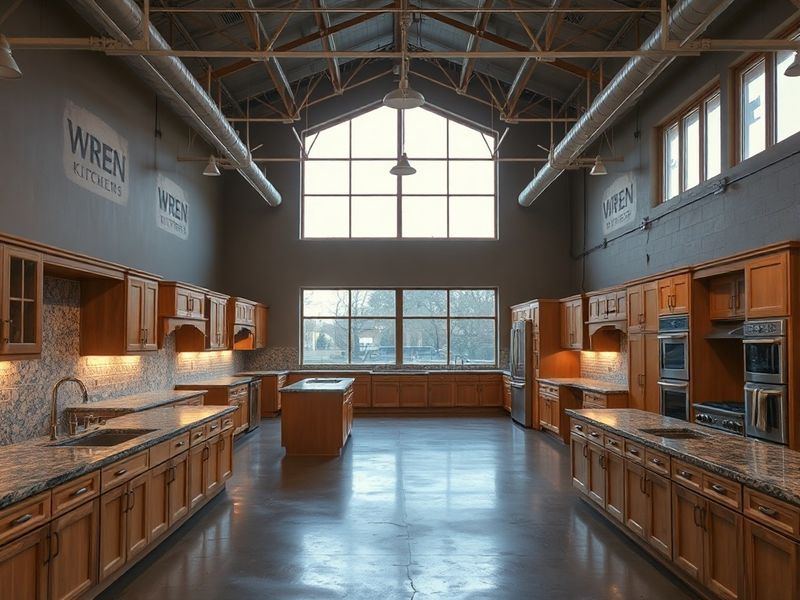
For decades, kitchen showrooms were the cornerstone of home improvement retail. Homeowners would spend hours browsing displays, touching materials, and envisioning their dream kitchens. Wren Kitchens capitalized on this model, expanding rapidly with a franchise-based approach that brought showrooms to high streets nationwide. At its peak, the company operated over 100 locations, becoming a familiar sight in towns and cities.
Yet the model’s decline was predictable. Online platforms now offer immersive 3D design tools, virtual consultations, and instant pricing—all without the need for travel or sales pressure. A 2023 report by Retail Research found that 62% of UK consumers now prefer researching home improvements online before committing to a purchase. The convenience of comparing options from home, coupled with the rise of direct-to-consumer brands, has eroded the traditional showroom advantage.
Wren’s showrooms, while well-designed, struggled to compete with the efficiency of digital-first competitors. The company’s reliance on in-person sales teams also meant higher overheads, a burden that became unsustainable as foot traffic dwindled. The closures, though difficult, may signal a strategic pivot toward a hybrid model—one where physical spaces serve as experiential hubs rather than transactional showrooms.
Global Trends in Home Improvement Retail
The closure of Wren Kitchens’ showrooms is not an isolated incident. Similar trends are playing out in markets worldwide, where homeowners increasingly prioritize flexibility and cost-effectiveness over traditional retail experiences. In the United States, companies like IKEA and Home Depot have invested heavily in omnichannel strategies, blending digital tools with in-store experiences. However, even these giants face challenges as consumers gravitate toward online-only brands that offer lower prices and streamlined processes.
In Europe, the shift is even more pronounced. Countries like Germany and the Netherlands have seen a surge in direct-to-consumer kitchen brands that bypass showrooms entirely. These brands leverage technology to create personalized designs, often at a fraction of the cost of traditional retailers. The pandemic accelerated this trend, with many consumers discovering the benefits of virtual consultations and digital measurements. For Wren, the closures may be an attempt to adapt to this new reality before it’s too late.
Culturally, the decline of showroom culture also reflects a broader change in how people approach home renovation. Younger generations, in particular, prioritize sustainability, customization, and affordability—factors that are easier to address through online platforms. Social media has further influenced these preferences, with platforms like Pinterest and Instagram inspiring homeowners to explore DIY solutions or budget-friendly alternatives. Wren’s closures could be seen as a response to this evolving landscape, where the demand for traditional showroom experiences is fading.
What This Means for Consumers and the Industry
For consumers, the closures present both challenges and opportunities. On one hand, the loss of local showrooms may make it harder for some to visualize their projects. Physical spaces often provide a tactile experience that digital tools cannot replicate, especially when it comes to materials like countertops or cabinetry. However, the shift also encourages innovation. Companies that survive this transition are likely to invest in augmented reality (AR) and virtual reality (VR) tools, allowing customers to “experience” their kitchens before making a purchase.
The industry itself is at a crossroads. Traditional retailers must either embrace digital transformation or risk becoming obsolete. For Wren Kitchens, the closures could be a necessary step toward survival. By reducing overheads and focusing on online sales, the company may be able to compete more effectively in a crowded market. However, the challenge will be maintaining the trust and loyalty that physical showrooms once provided.
Looking ahead, the home improvement sector will likely see further consolidation. Smaller brands may struggle to keep up with the demands of digital transformation, while larger players will continue to experiment with hybrid models. The success of these strategies will depend on how well companies balance convenience with the human touch that has long defined the industry.
The Future of Kitchen Retail
Wren Kitchens’ showroom closures are a microcosm of broader changes in retail. As consumers prioritize speed, affordability, and flexibility, traditional models must adapt or risk irrelevance. The company’s next steps will be closely watched, as they could set a precedent for how other home improvement brands navigate this transition.
For now, the focus will be on how Wren Kitchens leverages its online presence to retain customers. Will they invest in cutting-edge digital tools? Can they recreate the trust and expertise of in-person consultations in a virtual setting? The answers to these questions will determine whether the closures are a setback or a strategic move toward long-term success.
One thing is clear: the era of the showroom as the primary hub for kitchen retail is drawing to a close. What replaces it will define the next chapter of the industry—and consumers will ultimately decide which models thrive.
The story of Wren Kitchens is a reminder that even established brands must evolve. In a world where convenience often trumps tradition, the companies that survive will be those that can blend the best of both worlds.