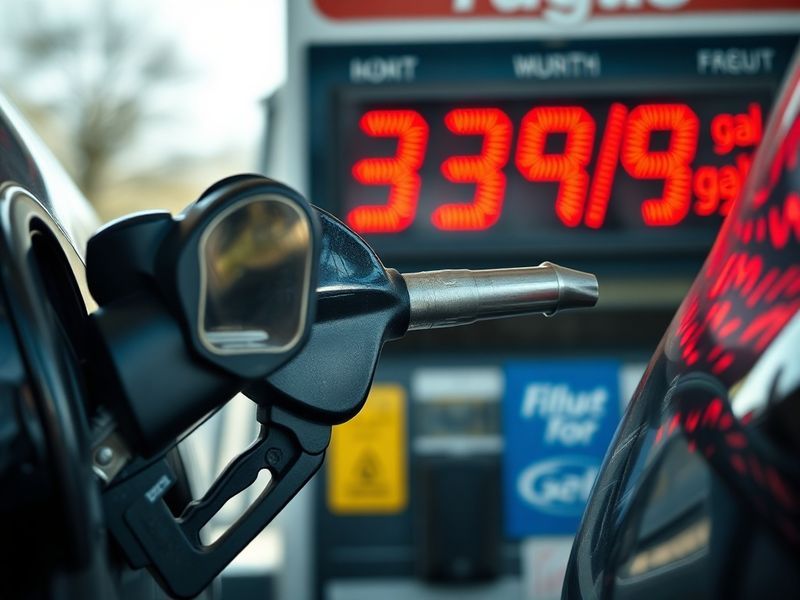
gas prices
“`html
How Global Gas Prices Shape Economies and Daily Life
The cost of gasoline is more than just a number at the pump—it’s a barometer for economic health, geopolitical stability, and even cultural shifts. Over the past decade, gas prices have fluctuated wildly, influenced by everything from OPEC decisions to extreme weather events. These fluctuations ripple across industries, from automotive manufacturing to international shipping, leaving consumers and businesses to adapt to ever-changing conditions.
To understand the current landscape, it’s essential to look beyond the headlines. Gas prices are not just a domestic issue; they reflect a complex interplay of global supply chains, environmental policies, and energy market speculation. The way societies respond to these changes often reveals deeper cultural attitudes toward consumption, innovation, and resilience.
The Economic Ripple Effect of Gas Prices
When gas prices surge, the impact is felt almost immediately in everyday expenses. Groceries, transportation, and even healthcare costs can rise as fuel expenses trickle down through supply chains. In countries heavily reliant on imported oil, such as Japan or Germany, sudden price hikes can strain national budgets and lead to policy shifts.
For industries, the effects are even more pronounced. Airlines, shipping companies, and logistics firms face higher operational costs, which are often passed on to consumers. The travel industry, for example, has seen fluctuating demand as vacationers weigh the cost of flights and road trips against their budgets. Meanwhile, urban planners in high-gas-price regions are increasingly prioritizing public transit and electric vehicle infrastructure to mitigate long-term economic drag.
Historically, gas price spikes have also influenced broader economic trends. The 1973 oil crisis triggered a recession in the U.S., while the 2008 financial crisis was exacerbated by soaring fuel costs. Today, as nations transition toward renewable energy, the relationship between gas prices and economic growth remains a critical point of debate.
Key Industries Most Affected by Gas Price Volatility
- Transportation and Logistics: Shipping companies and trucking fleets absorb higher fuel costs, leading to delayed deliveries and increased shipping fees.
- Automotive Manufacturing: Car makers adjust production based on consumer demand for fuel-efficient vehicles, often phasing out gas-guzzling models.
- Agriculture: Farmers face rising costs for fuel-dependent machinery, which can drive up food prices for consumers.
- Tourism: Popular road trip destinations and airlines see reduced bookings when gas prices climb, while budget-friendly locales gain traction.
Geopolitical Tensions and Their Role in Fuel Costs
Gas prices are not solely dictated by market forces; they are deeply intertwined with geopolitics. Conflicts in oil-rich regions, such as the Middle East or Eastern Europe, can disrupt supply chains and send prices skyrocketing. Sanctions, trade wars, and diplomatic standoffs further complicate the equation, as nations scramble to secure stable energy sources.
For example, Russia’s invasion of Ukraine in 2022 led to a global energy crisis, with European countries rushing to reduce dependence on Russian gas. This shift accelerated investments in alternative energy sources but also caused short-term price surges that strained household budgets. Meanwhile, OPEC’s production cuts often trigger immediate reactions in global markets, demonstrating how a small group of oil-producing nations can influence economies worldwide.
Culturally, these geopolitical tensions have fueled debates about energy independence and sustainability. In some regions, the push for renewable energy has gained urgency, while in others, governments have doubled down on domestic oil production to avoid future crises. The divide highlights how gas prices are not just an economic issue but a cultural and political one as well.
The Cultural Shift Toward Sustainable Alternatives
As gas prices remain volatile, many consumers are rethinking their relationship with fossil fuels. The rise of electric vehicles (EVs), car-sharing programs, and public transit initiatives reflects a growing cultural emphasis on sustainability. In cities like Oslo and Amsterdam, where gas prices have historically been high, electric cars now dominate the streets, supported by robust infrastructure and government incentives.
Yet, this shift is not universal. In rural areas and developing nations, where public transit is limited and EV adoption is slow, high gas prices can exacerbate inequality. The cost of transportation becomes a barrier to economic mobility, forcing families to make difficult trade-offs between necessities like food, healthcare, and fuel.
Culturally, the conversation around gas prices has evolved from a purely economic discussion to one that encompasses environmental responsibility and social equity. Documentaries, social media campaigns, and grassroots movements are pushing for systemic change, urging both individuals and corporations to adopt more sustainable practices. The question is no longer just about affordability—it’s about the kind of future we want to build.
How Consumers Are Adapting to High Gas Prices
- Carpooling and Ride-Sharing: Commuters in urban areas are increasingly relying on apps and organized carpools to split fuel costs.
- Telecommuting: The rise of remote work has reduced the need for daily commutes, lowering overall fuel demand in some sectors.
- Bike and E-Bike Adoption: Cities with bike-friendly infrastructure are seeing a surge in cycling, particularly among younger generations.
- Fuel-Efficient Vehicle Purchases: Sales of hybrids and EVs are climbing as consumers seek long-term savings, despite higher upfront costs.
- Local and Seasonal Shopping: To cut transportation costs, many are prioritizing locally sourced goods over imported products.
Looking Ahead: What’s Next for Gas Prices?
The future of gas prices remains uncertain, shaped by technological advancements, policy decisions, and global events. On one hand, the transition to renewable energy could stabilize prices by reducing reliance on fossil fuels. On the other, geopolitical instability or supply chain disruptions could trigger another round of volatility.
For policymakers, the challenge lies in balancing short-term economic stability with long-term sustainability goals. Subsidies for renewable energy, investments in public transit, and incentives for EV adoption are all strategies being explored. Meanwhile, consumers will continue to adapt, finding new ways to navigate the complexities of a world where gas prices remain a defining economic force.
One thing is clear: the conversation around gas prices is far from over. As societies evolve, so too will the ways we produce, consume, and think about energy. The decisions made today will shape the economic and cultural landscape for decades to come.
For those interested in exploring further, automotive trends and travel industry insights offer deeper dives into how these changes are unfolding in real time.
—
METADATA
{
“title”: “Why Gas Prices Fluctuate and How They Impact Your Life”,
“metaDescription”: “Explore the global factors behind rising gas prices and their ripple effects on economies, industries, and daily life.”,
“categories”: [“News”, “Business”],
“tags”: [“gas prices”, “fuel costs”, “energy crisis”, “oil prices”, “sustainable energy”],
“imageDescription”: “A split-image visual: on one side, a crowded gas station with cars waiting in line; on the other, a futuristic electric vehicle charging station in a modern city, symbolizing the transition from fossil fuels to sustainable energy.”
}
—END METADATA—
“`