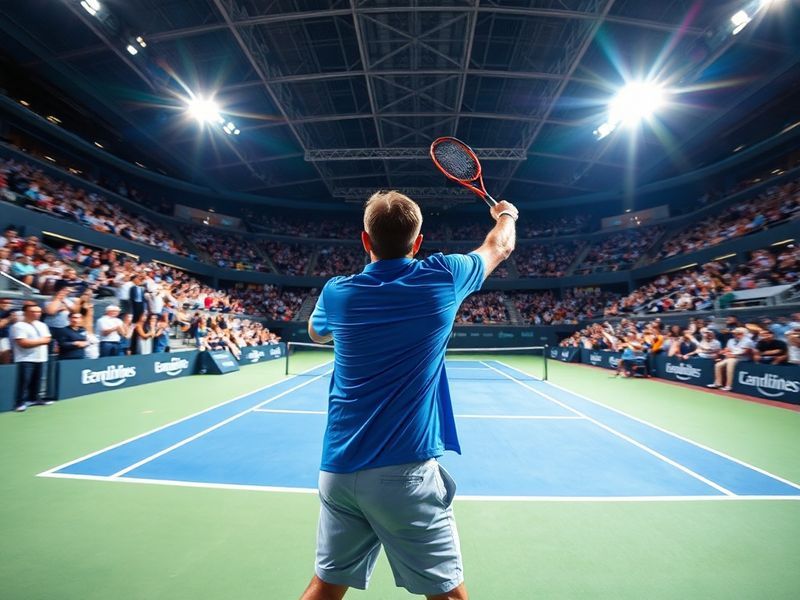
Madrid Open 2026: A Tennis Showcase with Global Influence
The Madrid Open has long stood as one of tennis’s most prestigious clay-court tournaments, drawing elite players and passionate fans from around the world. As the event prepares for its 2026 edition, anticipation is building not only for the high-stakes matches on the court but also for the cultural and economic ripple effects it will generate across Spain and beyond. Scheduled for late April to early May, the tournament will once again transform Madrid into a hub of international sport, blending athletic excellence with the city’s vibrant urban energy.
Historically, the Madrid Open has served as a critical warm-up for the French Open, offering players a chance to adapt to clay’s unique demands. The 2026 tournament promises to continue this tradition while introducing innovations in player experience, fan engagement, and sustainability. With the global tennis calendar becoming increasingly crowded, Madrid’s ability to balance tradition with modernity will be key to maintaining its reputation as a must-attend event.
The Evolution of a Tennis Institution
First held in 2002 as the Madrid Masters, the tournament has undergone several transformations to become the WTA and ATP Masters 1000 event it is today. The 2026 edition will mark the 25th anniversary of the tournament’s current format, providing an opportunity for reflection on how it has grown from a regional competition into a global spectacle.
A key factor in the Madrid Open’s success has been its ability to adapt. In recent years, the tournament has introduced night sessions, expanded digital engagement platforms, and prioritized eco-friendly initiatives such as carbon-neutral travel for players and reduced plastic waste. These efforts reflect a broader trend in sports toward sustainability and accessibility, ensuring the tournament remains relevant in an era where fans demand more than just athletic performance.
The tournament’s location in the Spanish capital adds another layer of significance. Madrid is a city where tradition and innovation coexist seamlessly, from its historic plazas to its cutting-edge infrastructure. The Caja Mágica, the tournament’s home since 2009, is a striking architectural landmark that has become synonymous with the event. Its three courts—including the iconic Manolo Santana Stadium—offer an intimate yet electrifying atmosphere that sets Madrid apart from other Masters 1000 events.
Global Players and Rising Stars
The Madrid Open has always attracted the world’s top tennis talent, but the 2026 edition is expected to feature an especially compelling mix of established champions and breakthrough performers. With the ATP and WTA tours constantly evolving, the tournament serves as a barometer for the sport’s shifting dynamics.
Current world number one Novak Djokovic has long been a dominant force at Madrid, though his participation in 2026 remains uncertain due to the physically demanding nature of the clay season. Meanwhile, young stars like Carlos Alcaraz—who has already claimed two Madrid Open titles—will be under immense pressure to perform on home soil. The Spanish public’s expectations of Alcaraz are sky-high, and his performances in 2026 could further cement his status as a future legend of the game.
The women’s draw is equally intriguing, with Iga Świątek and Aryna Sabalenka expected to lead the charge. Świątek, a two-time French Open champion, has shown remarkable consistency on clay, while Sabalenka’s powerful game has made her a fan favorite in Madrid. The tournament’s depth in both tours ensures that upsets are always possible, adding an element of unpredictability that keeps spectators on the edge of their seats.
Beyond the established names, the 2026 Madrid Open will provide a platform for emerging talents from Latin America, Africa, and Asia. Tennis’s global expansion has led to a more diverse field of competitors, and Madrid has been at the forefront of this shift. The tournament’s commitment to inclusivity was underscored in 2024 when it introduced equal prize money for men’s and women’s events—a move that set a new standard for the sport.
The Cultural and Economic Impact of Madrid Open 2026
While the Madrid Open is first and foremost a sporting event, its influence extends far beyond the tennis court. The tournament injects millions of euros into Madrid’s economy, benefiting local businesses such as hotels, restaurants, and transportation services. In 2023 alone, the event generated over €120 million in revenue for the city, with projections for 2026 expected to surpass that figure.
The cultural impact is equally significant. Madrid’s diverse population embraces the tournament as part of its identity, with fans from all backgrounds coming together to celebrate the sport. The event has also become a platform for Spanish music, art, and gastronomy, with pop-up concerts, exhibitions, and culinary experiences complementing the tennis action. For many visitors, attending the Madrid Open is as much about immersing themselves in Spanish culture as it is about watching elite athletes compete.
One of the tournament’s most unique traditions is its integration into Madrid’s nightlife. The city’s legendary bars and clubs host themed parties and fan zones, creating a festival-like atmosphere that lasts long after the final match. This synergy between sport and culture is a hallmark of Madrid’s identity and a key reason why the tournament stands out in the global tennis calendar.
The 2026 edition will also place a renewed emphasis on accessibility. Organizers have pledged to make the event more inclusive for fans with disabilities, expanding wheelchair-accessible seating and sensory-friendly zones. These initiatives align with Madrid’s broader commitment to social responsibility, ensuring that the tournament remains a celebration for all.
Looking Ahead: What to Expect in 2026
As preparations for the 2026 Madrid Open intensify, several key developments are worth watching. The tournament’s organizers have hinted at potential changes to the draw structure, possibly introducing a new round-robin format to increase competition. Additionally, advancements in broadcast technology may allow for even more immersive viewing experiences, bringing the action to fans in ways previously unimaginable.
For players, the 2026 Madrid Open will be a crucial test ahead of the French Open. The clay season is notoriously grueling, and success in Madrid often translates to momentum heading into Roland Garros. With the top seeds likely to prioritize fitness and form, the tournament could serve as a springboard for deep runs in Paris.
From a global perspective, the Madrid Open’s role in shaping tennis’s future cannot be overstated. The tournament has consistently pushed the boundaries of what a Masters 1000 event can achieve, from pioneering sustainability initiatives to championing gender equality. As it approaches its 25th anniversary, the 2026 edition will be an opportunity to reflect on its legacy while embracing the innovations that will define its next chapter.
For fans, the Madrid Open represents more than just a week of tennis—it’s a celebration of sport, culture, and community. Whether you’re a die-hard tennis enthusiast or a casual observer, the 2026 tournament promises an unforgettable experience that captures the essence of Madrid itself.
To stay updated on ticket sales, player commitments, and special events leading up to the Madrid Open 2026, visit Sports on Dave’s Locker for the latest news and analysis.