How Low-Cost Airlines Made Global Travel Affordable
“`html
How Low-Cost Carriers Changed the Way the World Travels
Since the 1970s, when low-cost carriers first took to the skies, they have steadily reshaped global travel. These airlines stripped away frills—no complimentary meals, no reclining seats, no business-class lounges—and handed passengers only the essential: a seat and a ride. The model proved irresistible. By 2023, low-cost carriers accounted for over a third of all global passenger flights, a number that continues to rise as new markets open and competition intensifies.
What began as a niche experiment in the United States and Europe has now spread to every inhabited continent. In Asia, carriers like AirAsia and Lion Air have made intercity travel affordable for millions. In Latin America, Viva Aerobus and Sky Airline have connected remote regions to major hubs. Even in Africa, where infrastructure is often a hurdle, airlines like Fastjet and FlySafair are gradually making air travel accessible to a growing middle class. The low-cost revolution is not just about cheaper tickets; it’s about democratizing mobility.
The Origins of a Travel Revolution
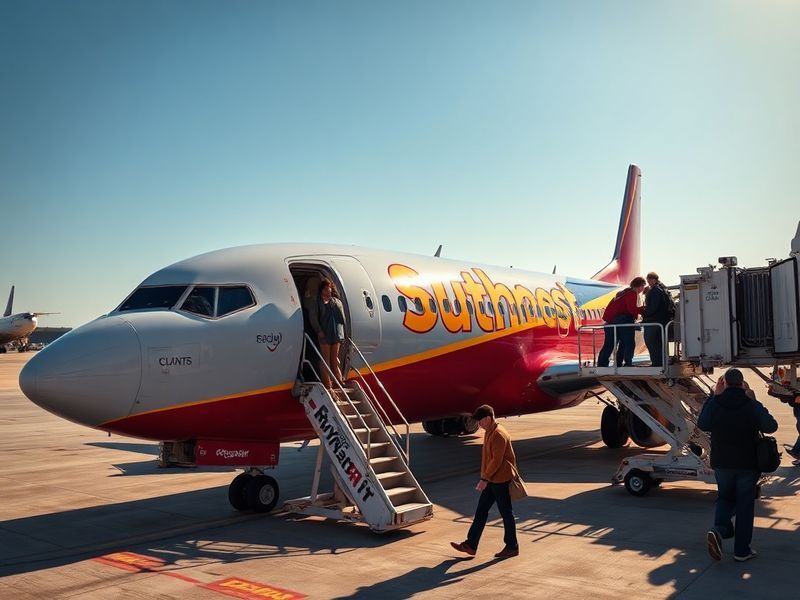
The low-cost carrier concept traces its roots to the deregulation of the U.S. airline industry in 1978. The Airline Deregulation Act removed government control over fares and routes, allowing new airlines to enter the market with leaner operations. Pacific Southwest Airlines (PSA) and later Southwest Airlines pioneered the model: short-haul flights, point-to-point routes, and fast aircraft turnarounds. Southwest famously offered fares as low as $20 between Dallas and Houston—prices that undercut even Greyhound buses.
Europe followed in the 1990s with Ryanair and easyJet leading the way. Ryanair, founded in 1984, initially struggled but found its footing by adopting the Southwest playbook: no free meals, no assigned seats, and secondary airports to cut costs. By 2000, the airline was profitable and growing rapidly. EasyJet, launched in 1995, focused on convenience and frequency, offering multiple daily flights between major cities like London and Paris. These airlines didn’t just reduce prices—they redefined expectations.
Cultural Shifts in Tourism and Migration
Cheaper airfare has had a profound impact on global tourism. In Europe, Ryanair and Wizz Air enabled weekend trips from London to Prague or Budapest for less than the cost of a train ride. In Southeast Asia, AirAsia’s “Everyday Low Fares” slogan transformed Bangkok into a weekend getaway for residents of Singapore. This shift has fueled the rise of “micro-tourism,” where people travel more frequently but for shorter durations.
Beyond leisure, low-cost carriers have influenced migration patterns. In the European Union, workers from Eastern Europe now commute regularly to jobs in Western cities. In the Middle East, low-cost airlines like flydubai have connected laborers and domestic workers with affordable flights to home countries. Even in North America, Spirit Airlines and Frontier Airlines have made cross-border trips between the U.S. and Mexico or Canada accessible to budget-conscious travelers.
This mobility has also reshaped cultural exchange. Musicians, artists, and small businesses can now tour or distribute goods across regions that were once financially out of reach. Festivals, conferences, and sporting events—like international soccer matches—attract more diverse audiences thanks to affordable transport. Yet, this accessibility comes with trade-offs. Overcrowding at popular destinations has led to anti-tourism sentiment in cities like Barcelona and Venice, where locals protest rising rents and environmental strain.
How Low-Cost Carriers Keep Fares Down
The business model of low-cost carriers relies on maximizing efficiency at every level. Here’s how they do it:
- Single aircraft type: Most low-cost airlines operate a single aircraft model, such as the Boeing 737 or Airbus A320. This simplifies maintenance, training, and parts procurement.
- Direct bookings: Airlines avoid paying commissions to travel agencies by selling tickets exclusively through their websites or apps.
- Ancillary fees: Revenue from baggage, seat selection, and onboard snacks can exceed 30% of total income for some carriers.
- High aircraft utilization: Planes spend as little as 25 minutes on the ground between flights, allowing more trips per day.
- Secondary airports: Flying into smaller airports like London Stansted or Milan Bergamo reduces landing fees and congestion costs.
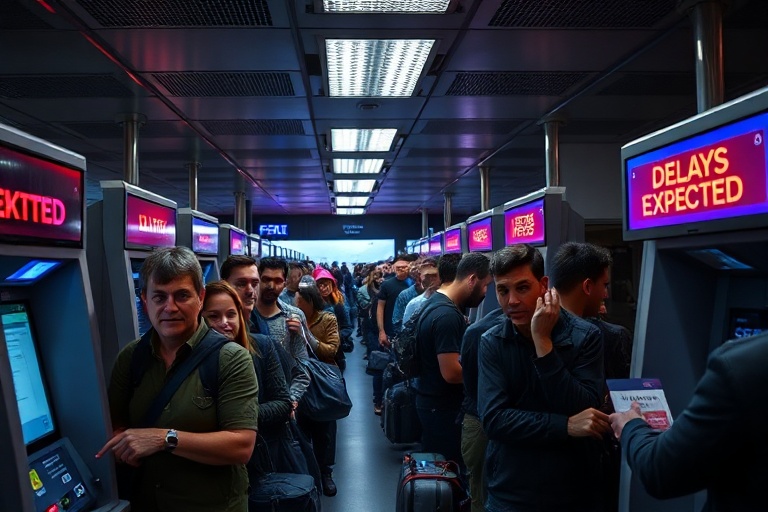
Critics argue that these tactics can lead to hidden costs. Baggage fees, for example, can add up quickly for families or travelers with heavy luggage. Seats aren’t assigned until check-in, which can cause confusion and stress. And while secondary airports save money, they often require additional ground transportation, eroding some of the savings. Yet, for many travelers, the trade-off is worth it.
The Future: Consolidation and Sustainability
The low-cost carrier market is maturing, and consolidation is inevitable. In Europe, Ryanair has grown into a dominant force, acquiring smaller rivals like Buzz. In Southeast Asia, AirAsia has expanded into multiple countries, while Lion Air has faced financial challenges that led to restructuring. In the U.S., Spirit Airlines’ attempted merger with JetBlue was blocked by regulators, highlighting the competitive tensions in the sector.
Sustainability is now the biggest challenge. Low-cost carriers face scrutiny over their carbon footprint. A return flight from London to New York emits roughly one ton of CO₂ per passenger—equivalent to a month of driving. Some airlines, like easyJet, have committed to net-zero emissions by 2050, investing in sustainable aviation fuel (SAF) and carbon offset programs. Others, like Ryanair, have pledged to use SAF on 12.5% of flights by 2030. But critics argue that offsets are not enough, and that the industry’s growth model is inherently unsustainable.
Innovation may offer a path forward. Electric aircraft, such as those being developed by Heart Aerospace and Eviation, could soon serve short-haul routes under 500 miles. Hybrid-electric planes could cut emissions by up to 80%. Some low-cost carriers are experimenting with hydrogen-powered engines. While these technologies are still years away from widespread adoption, they represent the next frontier in affordable, sustainable travel.
What’s Next for Budget Travelers?
The low-cost carrier model is not going away. If anything, it will continue to evolve. We’re likely to see more ultra-low-cost carriers emerge in underserved markets like Africa and South America. Technology will play a bigger role, with AI-driven dynamic pricing and personalized offers becoming standard. But as the industry grows, so will the pressure to address environmental concerns and consumer frustrations.
For travelers, the message is clear: the age of affordable air travel is far from over. With careful planning, it’s still possible to explore the world without breaking the bank. Just be prepared for the fine print—and maybe pack a little lighter.
—