Manchester United Shirt History: Designs, Sponsors & Fan Culture
“`html
Manchester United Football Shirt: Design Evolution and Fan Culture
The Manchester United football shirt is more than just a piece of sportswear. It is a symbol of history, identity, and global fandom. For over a century, the club’s kits have evolved alongside the team’s fortunes, reflecting changes in fashion, technology, and commercial strategy. From the humble cotton jerseys of the early 1900s to today’s high-performance, sponsor-branded designs, the shirt tells a story of ambition and tradition.
For fans, wearing the shirt is an act of allegiance. It connects them to Old Trafford, the players, and the club’s storied past. Whether draped over stadium seats or worn by supporters in cities around the world, the kit embodies pride and passion. This article explores the design evolution of the Manchester United football shirt, its cultural significance, and how it continues to shape fan experiences.
From Classic Stripes to Modern Kits: A Design Timeline
The Manchester United football shirt has undergone dramatic transformations since the club’s founding in 1878. Originally known as Newton Heath, the team wore a variety of colors before adopting the iconic red and white stripes in 1902. The first official kit consisted of red shirts, white shorts, and black socks—a simple yet enduring look that has defined the club’s visual identity for generations.
During the 1950s and 1960s, under the leadership of Matt Busby, the shirt remained largely unchanged. However, the introduction of synthetic fabrics in the 1970s allowed for lighter, more durable materials. The 1980s saw the rise of the club’s first major kit sponsor, Sharp Electronics, which appeared on the chest in 1982. This marked a turning point, as commercial partnerships began to influence design choices.
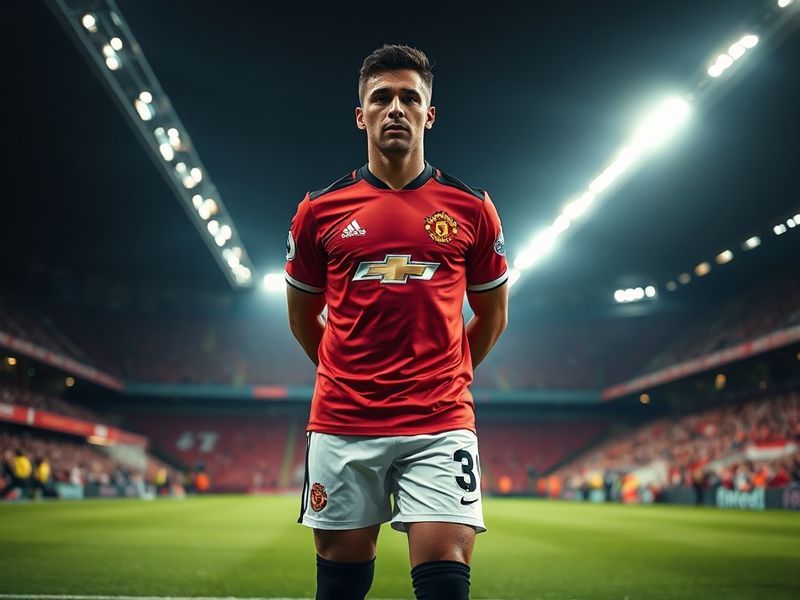
The 1990s brought a wave of innovation. The club’s partnership with Nike in the late 1990s led to sleeker fits and bold color experiments, such as the 1996-97 away kit in black and gold. More recently, Adidas has reintroduced classic elements while incorporating modern performance technology. The 2023-24 home shirt, for example, features a V-neck collar and a lightweight, breathable fabric designed for elite athletes.
Key Design Milestones
- 1902: Adoption of the red and white striped home kit, which remains the club’s signature look.
- 1982: Introduction of the first kit sponsor, Sharp Electronics, marking the beginning of commercial partnerships.
- 1996: Nike’s debut kit features a futuristic design with black and gold accents.
- 2015: Adidas returns as kit manufacturer, blending retro stripes with cutting-edge fabric technology.
- 2023: The home shirt introduces a V-neck collar and recycled materials, reflecting sustainability trends.
The Role of Sponsorship and Commercialization
Sponsorship has played a pivotal role in shaping the Manchester United football shirt. While early kits bore no commercial logos, the 1982 deal with Sharp Electronics initiated a new era of revenue generation. Today, the shirt features multiple sponsors, including TeamViewer on the front and DHL on the sleeve.
This commercialization has sparked debates among fans. Some argue that excessive branding dilutes the club’s heritage, while others see it as a necessary evolution to maintain competitiveness. The 2021-22 away kit, for instance, featured a bold black design with the TeamViewer logo prominently displayed. It was both a fan favorite and a commercial success, selling out globally within days.
Beyond sponsorship, the shirt has become a canvas for social messages. In 2020, the club wore a special Black Lives Matter badge on the kit to support the movement. Such initiatives highlight how the shirt can transcend its role as sportswear to become a platform for advocacy.
Fan Culture and the Emotional Connection to the Kit
For supporters, the Manchester United football shirt is more than fabric and stitching—it is a badge of honor. The act of wearing the kit on matchdays or during international travels fosters a sense of belonging. Many fans collect vintage shirts as memorabilia, preserving memories of legendary players and historic victories.
Retro kits, in particular, hold special significance. The 1990-91 home shirt, worn during the club’s first European Cup triumph, remains one of the most sought-after designs. Replica versions are often sold out within hours, demonstrating the enduring appeal of classic aesthetics.
Merchandise sales are a critical revenue stream for the club. In 2022, Manchester United reported over £275 million in commercial revenue, much of it driven by kit sales. The launch of new shirts is a global event, with fans queuing outside stores and refreshing online retailers for restocks.
How Fans Engage with the Kit
- Matchday Rituals: Many fans wear the home or away kit to games, often accessorizing with scarves, hats, and face paint.
- Customization: Some supporters personalize their shirts with player names and numbers, creating unique pieces of memorabilia.
- Vintage Collecting: Rare or discontinued kits are highly prized, with collectors scouring auctions and resale markets.
- Social Media Trends: Fans share photos of their kits on platforms like Instagram, showcasing creativity and pride.
The Future of Manchester United Football Shirts
The next chapter of the Manchester United football shirt will likely be defined by sustainability and technology. With climate change at the forefront of global conversations, the club has begun incorporating recycled materials into its kits. The 2023-24 home shirt, for example, contains 100% recycled polyester, reducing its environmental impact.
Performance enhancements will also play a key role. Future designs may feature integrated sensors to track player biometrics, or adaptive fabrics that regulate temperature based on weather conditions. Such innovations could redefine what it means to wear a football shirt.
Culturally, the shirt will continue to evolve as a symbol of global unity. Manchester United’s fanbase spans continents, and the kit serves as a unifying force. Whether in Manchester, Mumbai, or Melbourne, supporters can instantly identify with the club’s colors and heritage.
As the club navigates its future on and off the pitch, the football shirt will remain a constant—bridging tradition and innovation, heritage and ambition. For fans, it is not just a piece of clothing; it is a lifelong commitment to the Red Devils.
Where to Buy Authentic Manchester United Football Shirts
For fans looking to purchase official Manchester United kits, the club’s Sports section on Dave’s Locker offers a curated selection of home, away, and third kits. Whether you’re a collector or a seasoned supporter, authentic merchandise ensures you’re representing the club with pride.
It’s important to buy from reputable sources to avoid counterfeit products. Official retailers, including the club’s website and licensed partners, guarantee quality and authenticity. For vintage enthusiasts, specialized marketplaces may offer rare finds, though authenticity should always be verified.
Investing in an official kit not only supports the club financially but also connects you to a legacy that spans generations. From the terraces of Old Trafford to the streets of Tokyo, the Manchester United football shirt remains a powerful symbol of passion and perseverance.
Conclusion
The Manchester United football shirt is a testament to the club’s enduring legacy. It has evolved from a simple cotton jersey to a high-tech, globally recognized symbol of excellence. Along the way, it has adapted to commercial pressures, technological advancements, and cultural shifts, all while maintaining its core identity.
For fans, the shirt is a source of pride, a connection to history, and a way to express their allegiance. As Manchester United looks to the future, the kit will undoubtedly continue to play a central role in shaping the club’s identity and fostering its global community. Whether you’re a lifelong supporter or a newcomer to the Red Devils, wearing the shirt is more than a fashion statement—it’s a commitment to the values and traditions that define Manchester United.