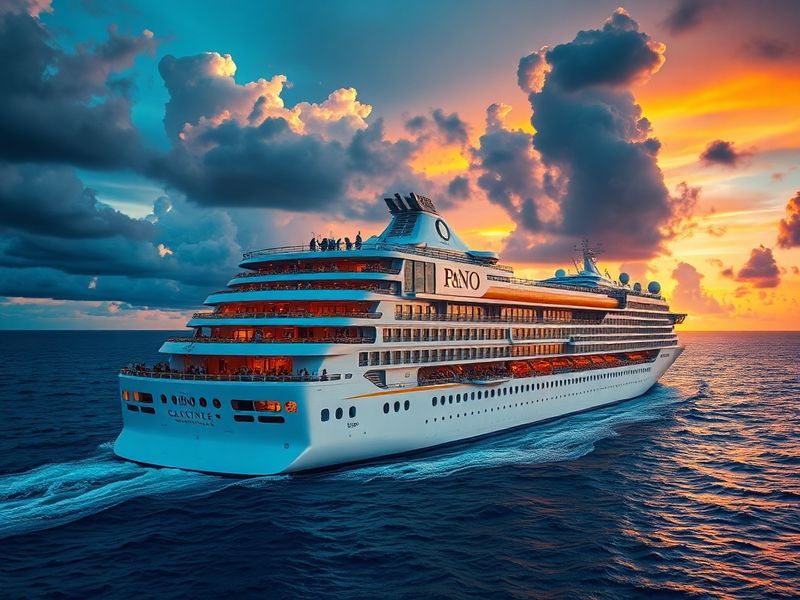
P&O Cruises: History, Fleet, and Industry Challenges Explained
“`html
P&O Cruises: A Legacy of Sea Travel and Modern Challenges
P&O Cruises stands as one of the most storied names in maritime history, tracing its origins to 1837 when the Peninsular and Oriental Steam Navigation Company was founded in the United Kingdom. Originally established to facilitate mail and passenger transport between Britain and the Iberian Peninsula, P&O quickly expanded its reach, becoming a cornerstone of global travel. Today, it operates as a subsidiary of Carnival Corporation & plc, continuing to shape the cruise industry with a blend of tradition and innovation.
The Evolution of P&O Cruises
P&O’s journey from a mail carrier to a luxury cruise line reflects broader shifts in global travel. In the 19th century, the company introduced steamships, which revolutionized sea travel by making it faster and more reliable than sailing vessels. By the early 20th century, P&O had expanded its routes to include destinations in Asia, Australia, and the Pacific, cementing its reputation as a pioneer in long-distance passenger travel.
After World War II, P&O adapted to the rise of commercial aviation by pivoting toward leisure cruising. The launch of the Canberra in 1961 marked a turning point, as the ship was designed primarily for holidaymakers rather than emigrants or mail carriers. This shift aligned with the growing post-war middle class’s appetite for travel, setting the stage for P&O’s modern identity as a provider of vacation experiences.
Key Milestones in P&O’s History
- 1837: Founded as the Peninsular and Oriental Steam Navigation Company.
- 1840: Began carrying mail between Southampton and destinations in the Mediterranean.
- 1961: Launched the Canberra, a ship designed for leisure cruising.
- 1970s: Expanded into the Caribbean and Pacific markets.
- 2000: Became part of Carnival Corporation, strengthening its global presence.
Modern P&O Cruises: Fleet and Experiences
Today, P&O operates a fleet of nine ships, each offering a unique blend of British hospitality and modern amenities. The line is divided into two primary brands: P&O Cruises (UK) and P&O Cruises Australia. While P&O Cruises (UK) caters to British travelers with itineraries across Europe, the Mediterranean, and the Caribbean, P&O Cruises Australia focuses on voyages to the South Pacific, Asia, and the Australian coast.
The fleet includes ships like the Iona and Arvia, both launched in the 2020s, which feature cutting-edge designs and eco-friendly technologies. These vessels are designed to appeal to a new generation of cruisers, offering everything from Broadway-style shows to gourmet dining experiences. P&O has also embraced sustainability, with initiatives aimed at reducing carbon emissions and waste, reflecting the growing demand for responsible tourism.
Notable Ships in the P&O Fleet
- Iona (2020): The largest ship in the P&O Cruises (UK) fleet, featuring 11 passenger decks and a range of dining and entertainment options.
- Arvia (2022): A sister ship to the Iona, designed specifically for the British market with a focus on sustainability.
- Pacific Explorer (2017): A mid-sized ship operated by P&O Cruises Australia, known for its relaxed atmosphere and scenic routes.
- Aurora (2000): One of the oldest ships in the fleet, offering a classic cruising experience with a retro charm.
Challenges and the Future of P&O Cruises
Despite its storied history, P&O Cruises faces challenges that reflect broader trends in the travel industry. The COVID-19 pandemic dealt a severe blow to the cruise sector, with global shutdowns halting operations for months. P&O, like its competitors, had to navigate health and safety protocols while reassuring passengers of their well-being. The pandemic also accelerated discussions about the sustainability of cruise travel, particularly regarding environmental impact and labor practices.
In 2022, P&O Cruises found itself at the center of controversy when it announced the sudden dismissal of 800 British crew members, replacing them with cheaper foreign workers. The move sparked outrage, with critics arguing that it undermined the company’s commitment to its workforce and British maritime heritage. P&O defended the decision as necessary for financial sustainability, but the incident highlighted the tensions between corporate efficiency and ethical labor practices in the cruise industry.
Broader Implications for the Cruise Industry
- Labor Practices: The reliance on foreign crew members to reduce costs raises questions about fair wages and working conditions in the cruise industry.
- Environmental Impact: Cruise ships are significant contributors to carbon emissions and marine pollution, prompting calls for stricter regulations and sustainable innovations.
- Consumer Trust: The industry must rebuild trust with passengers post-pandemic by prioritizing health and safety without compromising on experiences.
- Technological Advancements: The adoption of cleaner fuels, alternative power sources, and waste reduction systems will determine the future viability of cruise lines.
P&O Cruises in the Context of Global Travel
P&O Cruises occupies a unique position in the global travel landscape, bridging the gap between tradition and modernity. While it competes with giants like Royal Caribbean and Norwegian Cruise Line, its British heritage and focus on cultural experiences set it apart. The line’s itineraries often emphasize destinations rich in history and natural beauty, from the fjords of Norway to the beaches of the Caribbean.
For many travelers, a P&O cruise represents more than just a vacation—it’s an opportunity to connect with the past. The company’s commitment to preserving maritime heritage is evident in its historic ships and themed cruises, such as “Around the World” voyages that mirror its 19th-century routes. Yet, P&O also looks to the future, investing in technology and sustainability to ensure its relevance in an evolving industry.
As the world emerges from the pandemic, the cruise industry faces a critical juncture. P&O Cruises, with its deep roots and adaptive strategies, is poised to play a leading role in shaping its future. Whether through innovative ship designs, sustainable practices, or unforgettable travel experiences, the line continues to chart a course toward new horizons.
Conclusion: Sailing Toward the Next Chapter
P&O Cruises’ journey from a 19th-century mail carrier to a modern luxury cruise line is a testament to its resilience and adaptability. While the industry grapples with challenges like labor ethics, environmental responsibility, and consumer trust, P&O’s legacy offers valuable lessons in balancing tradition with progress. For travelers seeking a blend of classic elegance and contemporary comfort, P&O remains a compelling choice. As it navigates the complexities of the 21st century, the company’s ability to innovate while honoring its heritage will determine its place in the annals of maritime history.
For those interested in exploring cruise travel further, Dave’s Locker Travel offers insights and guides on destinations, itineraries, and industry trends. Additionally, Dave’s Locker Entertainment covers the latest in onboard experiences, from dining to performances.