March Madness: How the NCAA Tournament Became America’s Springtime Obsession
“`html
March Madness: The Unpredictable Heartbeat of College Basketball
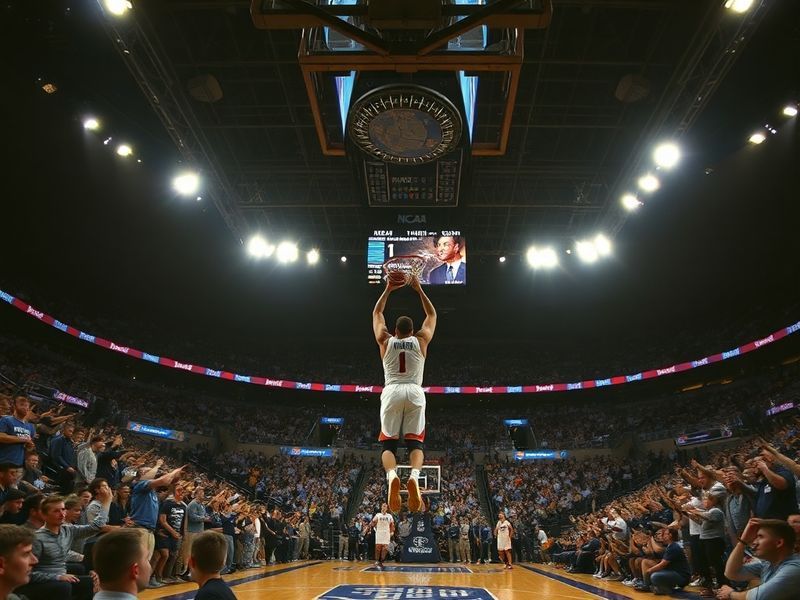
Every spring, the NCAA Men’s Basketball Tournament transforms 68 teams into legends overnight. Known as March Madness, this single-elimination tournament delivers drama, upsets, and unforgettable moments that extend far beyond the court.
The Tournament’s Origins and Evolution
March Madness traces its roots to 1939, when the first NCAA Tournament featured just eight teams. Organized by the National Association of Basketball Coaches, the event was designed to crown a national champion in college basketball—a sport still finding its footing in an era dominated by football.
The tournament’s early years were marked by regional play and a far smaller field. It wasn’t until 1951 that the field expanded to 16 teams, and the introduction of the “Final Four” in 1952 gave the event its most iconic branding. By the 1980s, under the leadership of CBS Sports and the NCAA, March Madness had evolved into a multi-week spectacle, broadcast nationally and drawing millions of viewers.
Today, the tournament includes 68 teams—32 automatic qualifiers from conference tournaments and 36 at-large bids selected by a 10-person NCAA committee. The seeding system, introduced in 1979, added structure, but the magic of March Madness lies in its unpredictability. No other major American sports tournament offers the same blend of parity, passion, and sheer chaos.
Why the Madness Matters: Beyond the Brackets
March Madness is more than a sporting event—it’s a cultural phenomenon that touches education, economics, and media. For colleges, a deep tournament run boosts visibility, student recruitment, and alumni engagement. Schools like Butler University and Gonzaga University leveraged Final Four appearances into national recognition and sustained athletic success.
Economically, the tournament is a billion-dollar industry. According to the NCAA, the 2023 tournament generated over $1.1 billion in revenue, primarily from television rights and sponsorships. CBS and Turner Sports pay nearly $800 million annually for broadcast rights, while corporate sponsors like AT&T and Capital One invest heavily in activation campaigns tied to the event.
For players, especially underclassmen, the tournament can be a springboard to the NBA. Stars like Zion Williamson (Duke, 2019) and Anthony Davis (Kentucky, 2012) parlayed tournament performances into top draft picks. Even players who don’t go pro gain exposure that can lead to overseas careers or coaching opportunities.
Off the court, March Madness fuels office pools, classroom brackets, and social media conversations. It’s one of the few times when casual sports fans engage deeply with college athletics, even if they know little about regular-season play. The tournament’s accessibility—via apps, streaming, and social platforms—has made it a year-round conversation starter.
The Anatomy of an Upset: Why March Madness Stands Apart
What makes March Madness unique is its single-elimination format. One loss, and a team’s season is over. This high-stakes environment amplifies every mistake, every missed free throw, every coaching decision. The pressure is relentless, and the outcomes often defy conventional wisdom.
Consider the 2023 tournament, when Fairleigh Dickinson became the first No. 16 seed to win a game in the modern era, defeating Purdue in overtime. Or the 2018 Final Four, where Loyola Chicago, a No. 11 seed, captured the nation’s imagination with its “Sister Jean effect”—the 98-year-old team chaplain becoming an unlikely celebrity.
These moments highlight why fans return year after year. The tournament doesn’t just reward talent; it rewards preparation, resilience, and a bit of luck. Coaches must adapt strategies on the fly, players must rise to the occasion, and fans must accept that anything can happen.
Analysts often debate whether the tournament is “broken” due to the dominance of powerhouse conferences like the Big Ten and SEC. Last year, all four No. 1 seeds reached the Final Four—a rarity in recent history. But the chaos persists in the early rounds, where mid-major programs like Saint Peter’s (2022) and Oral Roberts (2021) have stunned traditional powers.
The unpredictability isn’t just entertaining—it’s a reminder of why college sports matter. Unlike the NFL or NBA, where dynasties and parity are carefully balanced, March Madness thrives on the unexpected. It’s a celebration of amateur athletics, where students are the stars and the stakes are as high as they get.
What’s Next for March Madness? Expansion, Technology, and the Future
The NCAA is not standing still. In 2025, the tournament will expand to 68 teams for the men’s bracket, but discussions continue about adding more teams or even splitting the field into two divisions. The women’s tournament, which has grown significantly under Title IX and increased media coverage, may also see expansion in the coming years.
Technology is reshaping how fans experience the tournament. The NCAA’s partnership with video game publisher EA Sports to revive the NCAA Basketball franchise signals a new era of fan engagement. Meanwhile, platforms like YouTube and Twitch host watch parties, bracket challenges, and behind-the-scenes content that keep the conversation alive 24/7.
There’s also growing scrutiny around player compensation. With the NCAA’s NIL (Name, Image, Likeness) policies now in place, athletes can profit from their fame during the tournament. This shift raises questions about amateurism, equity, and the role of college sports in the modern economy.
Despite these changes, the core of March Madness remains unchanged: the thrill of competition, the joy of underdog stories, and the shared experience of a nation united by basketball. Whether you’re a die-hard fan or a casual observer, the tournament offers something for everyone—chaos, inspiration, and a little bit of magic.
Key Takeaways from March Madness
- Historical Significance: Started in 1939 with 8 teams, now 68 teams compete in a multi-week spectacle.
- Cultural Impact: Boosts school visibility, drives billions in revenue, and fuels office pools and social media.
- Unpredictability: Single-elimination format ensures upsets, with No. 16 seeds and mid-majors often defying expectations.
- Economic Engine: CBS and Turner Sports pay $800M+ annually for broadcast rights, while sponsors invest heavily.
- Future Trends: Expansion discussions, NIL opportunities, and tech integration are shaping the tournament’s next chapter.
Final Thoughts: Why We’ll Always Love the Madness
March Madness is more than a tournament—it’s a cultural reset. In an era of algorithm-driven content and personalized entertainment, the NCAA Tournament remains a communal experience. It’s the one time each year when millions of Americans, regardless of background, come together to share in the highs and lows of amateur athletics.
The stories transcend wins and losses. There’s the Cinderella story of a small school, the redemption of a coach who nearly lost his job, the player who drains the game-winning shot in front of 20,000 fans. These moments are what make March Madness timeless.
As the tournament evolves, its essence will endure. Whether through expansion, technology, or new revenue models, the NCAA will continue to adapt. But the magic—those buzzer-beaters, the bracket busts, the tears of joy and frustration—will remain unchanged.
For now, the madness is just beginning. And we wouldn’t have it any other way.
Want to dive deeper into college basketball? Check out our Sports section for analysis, rankings, and insider takes. Or explore the business side of the game in our Business coverage.