Apple’s Weather App: A Clean Interface with Global Ambitions
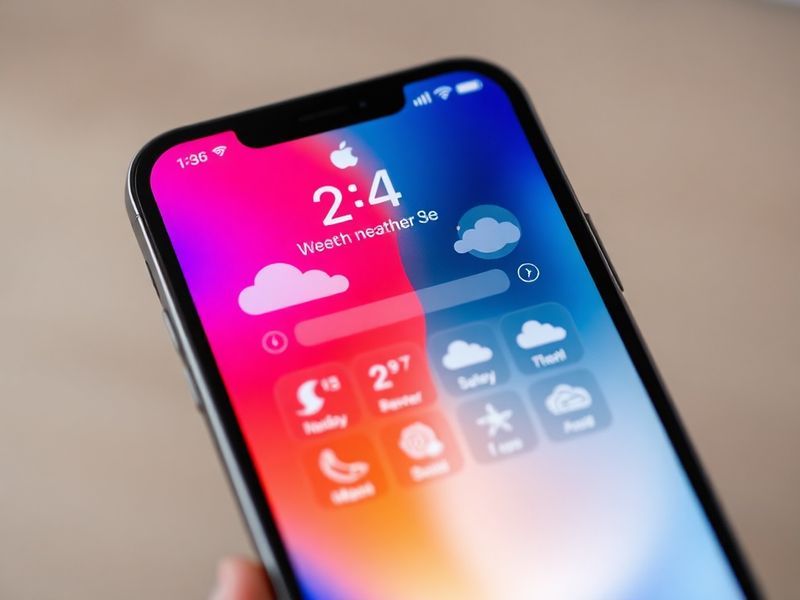
Apple’s Weather app has quietly evolved from a simple forecast tool into a polished interface with global ambitions. While it once relied on third-party data, the app now integrates its own high-resolution forecasts and dynamic visuals. Its design prioritizes clarity and accessibility, reflecting Apple’s broader approach to software. Yet, beneath the minimalist interface lies a story of data integration, cultural adaptation, and shifting user expectations.
The app’s global reach is undeniable. In countries where weather apps are critical for daily planning—such as Japan, where typhoon tracking is essential, or India, where monsoon forecasts impact agriculture—the Apple Weather app competes with localized solutions. Its integration with iOS and Apple’s ecosystem gives it a natural advantage. Users in urban centers from Berlin to Buenos Aires rely on it for real-time updates, while travelers appreciate its consistency across regions.
From Third-Party to Apple’s Own Forecasts
Until 2023, Apple’s Weather app relied on The Weather Channel for data. That changed with the launch of Apple Weather, powered by its own forecasting system. The shift allowed Apple to refine the user experience, ensuring seamless integration with its devices and services. This move also signaled Apple’s growing confidence in its ability to handle complex meteorological data.
The transition wasn’t just technical. It reflected a broader trend in tech: companies are increasingly prioritizing proprietary data to differentiate their products. Apple’s approach contrasts with Google’s reliance on The Weather Company or Samsung’s partnerships with AccuWeather. By owning its forecasts, Apple can tailor weather alerts and visuals to its design language, creating a cohesive experience.
The Role of Visual Design in a Global Audience
Apple’s Weather app is visually striking, using animated backgrounds that shift with conditions. This aesthetic choice resonates in markets where visual clarity is valued, such as South Korea and Scandinavia. In contrast, regions like the Middle East, where users may prioritize text-based forecasts, the app’s graphical approach could feel less intuitive.
The app’s design also adapts to local preferences. For example, temperature units default to Celsius in Europe and Fahrenheit in the U.S., while precipitation maps highlight regional concerns, such as snowfall in Canada or humidity in Southeast Asia. These small but meaningful adjustments demonstrate Apple’s effort to make weather data universally accessible.
Cultural Context and User Expectations
Weather apps are deeply tied to cultural habits. In Japan, where weather news is a staple of morning broadcasts, users expect detailed radar imagery and typhoon tracking. Apple’s app meets these expectations with its interactive maps and severe weather alerts. Meanwhile, in India, where weather apps are often used for agricultural planning, the app’s 10-day forecast and precipitation predictions are particularly valuable.
Yet, the app faces competition from hyper-local services. In China, apps like Moji Weather dominate with features tailored to local dialects and customs. Apple’s global approach can feel generic in such markets. To compete, the company must continue refining its regional offerings, possibly by integrating more localized data sources or collaborating with local meteorological agencies.
User Experience: Simplicity vs. Depth
Apple’s Weather app balances simplicity with depth. The main screen displays current conditions and a 10-day forecast, while deeper insights—such as air quality or UV index—are tucked away but easily accessible. This design philosophy works well for casual users but may frustrate those who crave granular data.
For instance, surfers in Australia or farmers in the Midwest might prefer apps like Surfline or Weather Underground, which offer specialized tools. Apple’s app caters to a broad audience, prioritizing ease of use over niche features. This approach aligns with Apple’s brand, but it also limits its appeal in markets where detailed weather data is the norm.
Looking Ahead: What’s Next for Apple Weather?
Apple continues to refine its Weather app, hinting at future integrations with Apple Intelligence and augmented reality. Imagine pointing your iPhone at the sky to see a hyperlocal forecast or receiving AI-driven alerts about changing conditions. These innovations could further distinguish Apple’s offering from competitors.
The app’s global success hinges on its ability to adapt. While it excels in markets where visual clarity and ecosystem integration matter, it must also prove its utility in regions with unique weather challenges. By continuing to invest in localized data and user feedback, Apple can ensure its Weather app remains a trusted companion worldwide.
For tech enthusiasts and casual users alike, the Apple Weather app represents more than just a forecast tool. It’s a case study in how design, data, and cultural adaptation shape a product’s global impact. As weather patterns grow increasingly unpredictable, tools like this will only become more essential.
For more insights into how weather impacts daily life, explore our Sports category, where weather plays a critical role in outdoor activities. To stay updated on tech trends, check out our Technology section for the latest analysis.
Conclusion
Apple’s Weather app has transformed from a basic utility into a sophisticated tool with global reach. Its clean interface, proprietary forecasts, and cultural adaptability make it a standout in the crowded weather app market. While it may not satisfy every niche need, its balance of simplicity and depth ensures broad appeal. As Apple continues to innovate, the app’s future could redefine how we interact with weather data—one tap at a time.