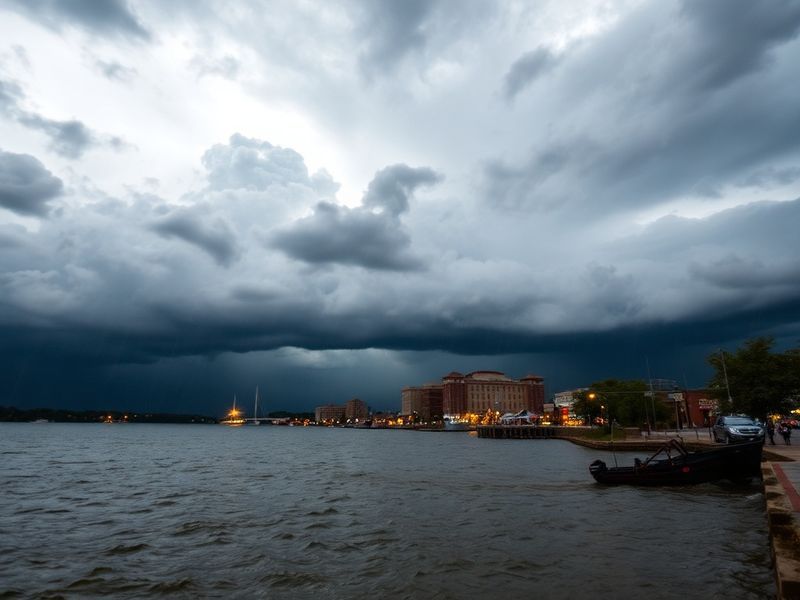
Owensboro Weather: Seasonal Patterns and Safety Tips
“`html
Owensboro Weather: What Residents Need to Know
Owensboro, Kentucky, experiences a humid subtropical climate, marked by four distinct seasons that shift with noticeable intensity. The city’s location in the Ohio Valley exposes it to a wide range of weather patterns, from warm, humid summers to cold, occasionally icy winters. Understanding these cycles is essential for residents who must prepare for everything from severe thunderstorms to sudden temperature swings.
Seasonal Patterns in Owensboro
Spring in Owensboro arrives with unpredictable energy. March often brings chilly mornings—sometimes dipping near freezing—but by May, temperatures consistently climb into the 70s and 80s. Rainfall is frequent, with an average of 4.2 inches in April alone. The transition from winter to spring can also introduce severe weather, including thunderstorms and occasional tornadoes, a risk highlighted by the region’s proximity to Tornado Alley’s western edge.
Summers are long, warm, and humid. July and August regularly see highs in the upper 80s to low 90s, with heat indices making it feel even hotter. Thunderstorms are common in the afternoon and evening, providing brief relief but also posing risks of heavy rain, lightning, and strong winds. The city’s location near the Ohio River means humidity levels often hover around 70% or higher, contributing to the oppressive summer feel.
Fall brings crisp air and vibrant foliage, though the transition can be abrupt. By late October, temperatures drop into the 50s during the day and 30s at night. This season is often considered the most stable, with fewer severe weather events and lower humidity. However, early frost is not uncommon, and residents should prepare for the shift by late October or early November.
Winters are cold and occasionally harsh. January is typically the coldest month, with average lows around 24°F. Snowfall averages about 10 inches per year, but totals vary widely—some years bring only a dusting, while others see significant accumulations that disrupt daily life. Ice storms are a particular concern, as they coat roads and power lines, creating hazardous conditions. The unpredictability of winter weather in Owensboro often catches residents off guard, especially during early or late-season cold snaps.
Severe Weather Preparedness
Owensboro’s position in the Ohio Valley places it in the path of several types of severe weather, most notably thunderstorms, tornadoes, and flash floods. The National Weather Service office in Paducah, which serves the region, issues frequent watches and warnings during active weather periods. Residents should prioritize having multiple ways to receive alerts, including NOAA Weather Radio, local news stations, and smartphone apps.
Tornadoes are a recurring threat, particularly in spring and early summer. While Owensboro itself has avoided direct hits in recent years, nearby communities have not been as fortunate. The city’s emergency management encourages residents to identify safe rooms or basements in their homes and to practice tornado drills annually. Outdoor warning sirens are tested monthly, and it’s wise to familiarize yourself with their sound and location.
Flash flooding is another concern, especially along the Ohio River and its tributaries. Heavy rainfall can cause rapid rises in water levels, cutting off roads and isolating neighborhoods. The city has invested in improved drainage systems in recent years, but residents in low-lying areas should remain vigilant during prolonged rain events. The Owensboro Public Works Department provides real-time updates on road closures and flood advisories via its website and social media channels.
Preparedness also extends to winter weather. The city’s public works crews are equipped to handle snow and ice, but residents should keep emergency supplies on hand, including blankets, non-perishable food, and a portable charger. A winter car kit—containing jumper cables, a shovel, and cat litter or sand for traction—can be a lifesaver during unexpected road closures.
- Keep a NOAA Weather Radio or smartphone app with push notifications for real-time alerts.
- Identify and practice going to your safe room or basement during tornado warnings.
- Store emergency supplies, including food, water, and medications, for at least 72 hours.
- Monitor local news and the Owensboro Weather Updates page for road closures and flood advisories.
How Climate Trends Affect Owensboro
Over the past few decades, Owensboro has seen subtle but measurable shifts in its climate patterns. Average temperatures have trended upward, particularly in winter and summer. This aligns with broader regional trends observed across the southeastern United States, where warming nights and longer growing seasons are becoming more common. While these changes may seem minor, they influence everything from agriculture to public health.
Precipitation patterns have also shifted. While total annual rainfall has remained relatively stable, the distribution has become less predictable. Periods of drought are interspersed with intense rain events that overwhelm drainage systems. This volatility complicates flood management and increases the risk of waterborne illnesses during heavy runoff. Local farmers report that planting schedules and crop choices are increasingly influenced by these erratic conditions.
Urban heat islands are another concern. As Owensboro expands, areas with dense pavement and limited green space experience higher temperatures than surrounding rural regions. This effect is most pronounced during heatwaves, when the city’s core can be several degrees warmer than outlying areas. Efforts to mitigate this include planting more trees and promoting reflective roofing materials, but the challenge grows with each new development.
Local Resources for Weather Information
Residents have access to a variety of reliable sources for weather information tailored to Owensboro. The National Weather Service office in Paducah provides detailed forecasts, radar imagery, and historical data specific to the region. Their website includes a dedicated section for severe weather outlooks and preparedness guides.
Local news outlets, such as WTVW News and WEHT News, offer round-the-clock coverage during active weather events. These stations provide live updates, storm tracking, and expert analysis from meteorologists who understand the nuances of the Owensboro climate. Their social media feeds are particularly useful for quick, localized alerts.
The Owensboro-Daviess County Emergency Management Agency (EMA) plays a crucial role in disseminating information during emergencies. The EMA’s website features a real-time incident map, evacuation routes, and contact information for local shelters. Signing up for the county’s emergency notification system ensures you receive critical updates via phone, text, or email.
For those interested in historical weather data, the Midwestern Regional Climate Center offers an extensive archive of temperature, precipitation, and extreme weather records for Owensboro. This resource is invaluable for researchers, gardeners, and anyone tracking long-term climate trends in the region.
Preparing for the Unexpected
While Owensboro’s weather is generally manageable, its unpredictability demands preparation. A few simple steps can make a significant difference in your safety and comfort. Start by assessing your home’s vulnerabilities—whether it’s a basement prone to flooding, a roof that may not hold up to ice, or windows that let in drafts during winter storms. Small investments in weatherproofing can yield long-term benefits.
Community resilience also depends on neighbors looking out for one another. Check on elderly or disabled residents during extreme weather, and share updates with local groups or social media networks. Owensboro’s sense of community is one of its greatest strengths, and it shines brightest during times of crisis.
Ultimately, weather in Owensboro is not just a backdrop to daily life—it’s an active participant. Residents who stay informed, prepare in advance, and remain adaptable will navigate the city’s ever-changing conditions with confidence. Whether it’s a summer thunderstorm or a winter ice storm, Owensboro’s weather may be unpredictable, but it doesn’t have to be unpredictable for you.