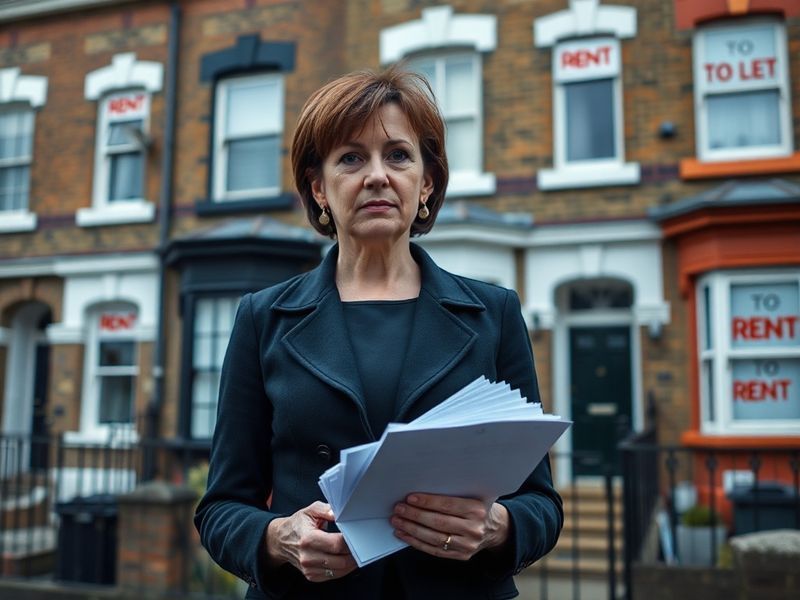
In an era where housing costs have outpaced wage growth in many developed nations, governments are increasingly turning to radical policy measures. The United Kingdom’s recent announcement of a rent freeze by Chancellor Rachel Reeves has sent ripples through global housing markets. This move, framed as a temporary stabilization tactic, reflects broader tensions between tenant protections and landlord interests—a debate that has intensified from Berlin to Boston.
Reeves’ proposal, introduced as part of a broader economic recovery plan, aims to cap rent increases at zero percent for one year. The policy targets private rental sectors in high-demand urban areas, where annual rent hikes have routinely exceeded inflation. While supporters praise it as a necessary intervention, critics warn of unintended consequences, including reduced housing supply and strained landlord finances.
The Global Context: Rent Controls in Historical Perspective
Rent freezes are not a new phenomenon. They emerged prominently after World War I as European nations grappled with housing shortages and economic instability. Cities like Vienna and Stockholm adopted strict rent controls in the 1920s, policies that persisted for decades. In the United States, rent freezes were used during World War II and again briefly in New York City during the 1970s energy crisis.
Today, similar debates are playing out worldwide:
- Berlin: In 2020, the city enforced a five-year rent freeze under the Mietendeckel law, capping rents at 2019 levels. The policy was later struck down by Germany’s constitutional court but remains a symbol of tenant activism.
- Canada: Several provinces, including Ontario, have experimented with rent control policies, though enforcement varies widely and often excludes newer buildings.
- Singapore: While not a rent freeze, the city-state’s public housing model—where over 80% of residents live in government-built flats—ensures affordability through long-term leases and subsidies.
- New Zealand: In 2021, the government passed legislation banning rent increases for six months during the COVID-19 pandemic, a move reminiscent of Reeves’ current proposal.
The recurring theme is clear: governments often turn to rent freezes during crises—whether economic, health-related, or social. Yet the long-term effectiveness of such measures remains hotly contested.
Economic Implications: Who Benefits—and Who Pays?
The immediate impact of a rent freeze is straightforward: tenants in covered areas see no increase in housing costs for the designated period. For renters already stretched thin by rising living expenses, this can provide critical breathing room. In the UK, where private rents have surged by nearly 10% annually in some regions, Reeves’ freeze could save households hundreds of pounds per month.
However, economists caution that the benefits may be short-lived. A recent analysis by the Resolution Foundation highlighted several potential drawbacks:
- Reduced housing supply: Landlords facing frozen rents may convert rental properties into short-term holiday lets or sell them, further tightening the market.
- Deferred maintenance: With limited revenue streams, landlords may cut back on property upkeep, leading to deteriorating living conditions.
- Investor flight: The policy could deter new investment in rental properties, exacerbating shortages in the long run.
- Distorted pricing: If rents are artificially suppressed, landlords may compensate by increasing upfront fees or deposits, undermining the freeze’s intent.
International examples underscore these risks. After Berlin’s Mietendeckel was implemented, rental listings plummeted by 40% as landlords withdrew properties from the market. Similarly, in New York’s 1970s rent control era, housing quality declined sharply, with many landlords neglecting repairs due to financial strain.
Reeves has acknowledged these concerns, framing the freeze as a “time-limited intervention” to prevent further exploitation of tenants during a cost-of-living crisis. But whether it can balance immediate relief with long-term stability remains uncertain.
Cultural and Political Dimensions: Tenant Rights vs. Property Rights
The rent freeze debate is as much about values as it is about economics. In many Western nations, the past decade has seen a cultural shift toward tenant activism, fueled by viral social media campaigns and grassroots movements. Platforms like TikTok have amplified stories of renters facing exorbitant increases, creating a groundswell of support for stricter regulations.
In the UK, groups like Acorn and Generation Rent have long advocated for rent controls, arguing that housing is a human right, not a market commodity. Their campaigns have pressured politicians to adopt more tenant-friendly policies. Reeves’ announcement can be seen as a response to this growing political pressure, particularly as the Labour Party seeks to distance itself from its austerity-era reputation.
Yet the policy also highlights a deep ideological divide. Property rights advocates, often aligned with conservative and free-market think tanks, argue that rent controls distort the natural balance of supply and demand. They point to historical examples where such policies led to housing shortages and black markets for rentals.
This tension is not unique to the UK. In the United States, debates over rent control often mirror broader political divides. Progressive cities like San Francisco and Los Angeles have embraced stricter regulations, while states like Texas have banned local governments from implementing rent controls altogether. Similarly, in Australia, the federal government has resisted calls for national rent freezes, instead focusing on incentives for first-time buyers.
Looking Ahead: What’s Next for Housing Policy?
Reeves’ rent freeze is likely to be a short-term measure, but its ripple effects could shape UK housing policy for years. The government has signaled plans to introduce a broader “Renters’ Reform Bill” later this year, which would abolish “no-fault” evictions and strengthen tenant protections. However, the success of these reforms may hinge on how the rent freeze is implemented and received.
Globally, the trend toward tenant protections shows no signs of slowing. Cities like Barcelona and Paris have experimented with vacancy taxes to penalize landlords who leave properties empty, while Portugal has capped rent increases in tourist-heavy areas to combat gentrification. These policies reflect a growing recognition that unchecked market forces have made housing unaffordable for millions.
Yet the challenge remains: how to balance affordability with sustainability. A rent freeze may offer immediate relief, but without concurrent investment in social housing and rental supply, the long-term outlook for tenants could remain precarious. Reeves’ policy could serve as a model—or a cautionary tale—depending on how it unfolds.
As governments worldwide grapple with housing crises, the UK’s experiment with a rent freeze offers a critical case study. Its outcomes will be watched closely by policymakers, economists, and renters alike. Whether it becomes a blueprint for other nations or a lesson in unintended consequences may depend on how well it navigates the delicate balance between protection and pragmatism.
One thing is certain: the debate over housing affordability is far from over. In an age where shelter is increasingly seen as a luxury rather than a basic necessity, the fight for equitable housing policies will only intensify.