Why Ronnie O’Sullivan’s Chalk Routine Is More Than Just a Habit
“`html
Ronnie O’Sullivan’s Chalk: Small Detail, Huge Impact
In the world of professional snooker, where precision and consistency define champions, one small ritual stands out: Ronnie O’Sullivan’s use of chalk. The seven-time world champion’s approach to applying it is as meticulous as his cue action. It’s a routine that blends psychology, technique, and tradition into a moment recognized by fans worldwide. While chalk might seem like a minor accessory, its role in O’Sullivan’s game reveals deeper insights into how top players prepare mentally and physically.
Chalk isn’t just a tool—it’s a psychological anchor. For O’Sullivan, the act of chalking the cue tip is part of a broader rhythm that helps him transition from distraction to focus. It’s a tactile cue that signals the start of his concentration phase, a moment where external noise fades and the table becomes the only reality. This ritual isn’t unique to him, but the way he executes it has become emblematic of his approach to the game. Observers often note how deliberate and unhurried his movements are, even under pressure. That intentionality extends to how he uses chalk, turning a simple action into a performance within the performance.
The Science of Chalk in Snooker
Snooker chalk serves a critical technical purpose: it increases friction between the cue tip and the cue ball. Without it, the tip would slide off the ball, leading to miscues and loss of control. But beyond its functional role, chalk plays a role in shot preparation. Players use it to clean the tip, ensuring no dust or debris interferes with contact. O’Sullivan takes this a step further. He often uses the chalk to test the tip’s texture, adjusting pressure to achieve the ideal level of grip without over-saturation.
Research into sports psychology suggests that repetitive, tactile actions like chalking can help athletes regulate their breathing and heart rate. For O’Sullivan, who has spoken openly about his struggles with focus and anxiety, these micro-moments of routine may act as a form of self-soothing. Studies on elite athletes show that consistent rituals can lower cortisol levels and enhance performance under stress. While no direct study has isolated the effects of chalking on snooker performance, the correlation between ritual and consistency is well-documented in sports science.
Key Points About Ronnie O’Sullivan’s Chalk Routine
- Psychological anchor: The act of chalking signals a mental shift from distraction to focus.
- Tactile feedback: O’Sullivan uses chalk to test cue tip texture, ensuring optimal friction.
- Rhythmic consistency: His unhurried, deliberate movements help regulate breathing and heart rate.
- Cultural symbol: The ritual has become part of his public persona, reinforcing his reputation for precision.
- Adaptability: He adjusts chalking frequency based on humidity, table conditions, and shot difficulty.
Chalk as Performance: More Than a Tool
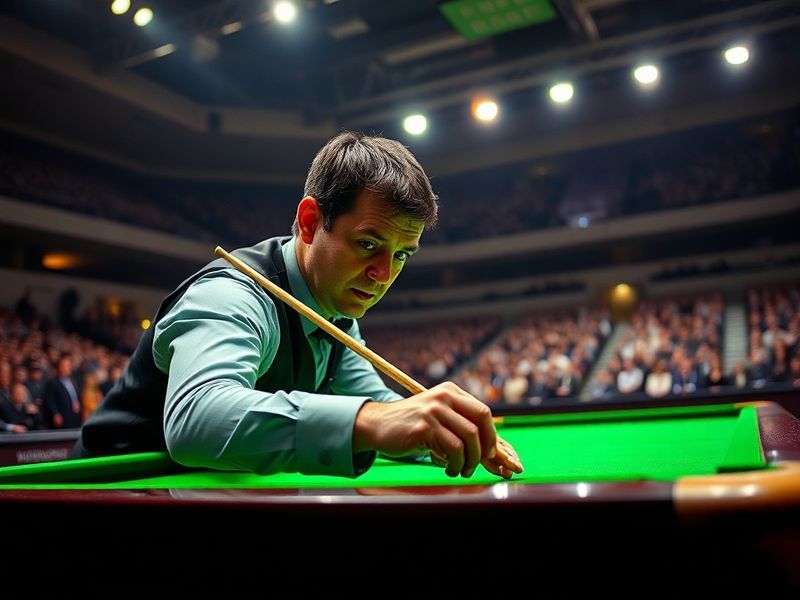
O’Sullivan’s relationship with chalk extends beyond function. It’s a performative element of his game. When he steps up to the table, the way he wipes the cue, applies chalk in slow circles, and then pauses before striking the ball is almost theatrical. This isn’t just about technique—it’s about control. In high-pressure moments, such as deciding frames or facing break-building challenges, his chalking becomes even more deliberate. It’s a way to assert dominance over the moment, to control not just the shot, but the narrative of the game.
This performative aspect has made chalking a signature of O’Sullivan’s style. Fans and commentators often refer to it as a “moment of calm” in the storm of a match. It’s a visual cue that reassures audiences: even when the pressure is intense, the player remains composed. In an era where snooker is increasingly broadcast with microphones capturing every sound, the quiet scrape of chalk against tip becomes a sound of authority. It’s a reminder that mastery isn’t just about skill—it’s about presence.
Broader Implications: Ritual in Elite Sport
O’Sullivan’s use of chalk reflects a broader trend in elite sport: the rise of ritual as a performance enhancer. From LeBron James’ chalk toss to Serena Williams’ pre-serve bouncing, athletes use repetitive actions to trigger a flow state. These rituals aren’t superstitions—they’re cognitive tools. They help athletes transition from external awareness to internal focus, a process neuroscientists call “attentional narrowing.” By narrowing focus, players reduce distractions and increase the likelihood of executing under pressure.
In snooker, where a single shot can swing a match, such rituals are essential. The best players don’t just rely on technique—they rely on systems that keep their minds sharp. O’Sullivan’s chalk ritual is a perfect example. It’s not about luck or magic; it’s about creating a predictable sequence that the brain can trust. When the external environment is unpredictable—crowd noise, table inconsistencies, opponent pressure—the ritual remains constant. That constancy is power.
This phenomenon extends beyond snooker. In golf, players often follow strict pre-shot routines. In tennis, servers bounce the ball a specific number of times. These aren’t quirks—they’re strategies. They create a mental scaffold that supports execution. For O’Sullivan, chalking is more than a habit. It’s part of a larger architecture of performance, one that includes diet, sleep, visualization, and shot selection. Together, these elements create the conditions for sustained excellence.
The Future of Chalk in Snooker
As snooker evolves, so too does the role of equipment like chalk. Manufacturers are experimenting with new formulas designed to reduce dust and increase grip. O’Sullivan has been vocal about testing different brands, always seeking the perfect balance between control and consistency. But while technology may change, the psychological function of chalk is likely to remain. In a sport where milliseconds and millimeters define outcomes, the human element—ritual, focus, presence—will always matter.
For younger players coming up through the ranks, O’Sullivan’s approach offers a lesson: success isn’t just about talent. It’s about systems. It’s about turning mundane actions into powerful tools. Whether it’s chalking the cue or visualizing a shot, the best players build routines that protect their focus and amplify their strengths. In that sense, Ronnie O’Sullivan’s chalk isn’t just a detail—it’s a blueprint.
As the snooker season unfolds, keep an eye not just on the scores, but on the rituals. Watch how players prepare. Notice the way they touch the table, adjust their stance, and yes—apply chalk. In those moments, the real game is being played.
For more on the technical side of snooker equipment, explore our Snooker Gear Insights. To dive into the psychology of performance under pressure, visit our Sports Mindset & Performance section.