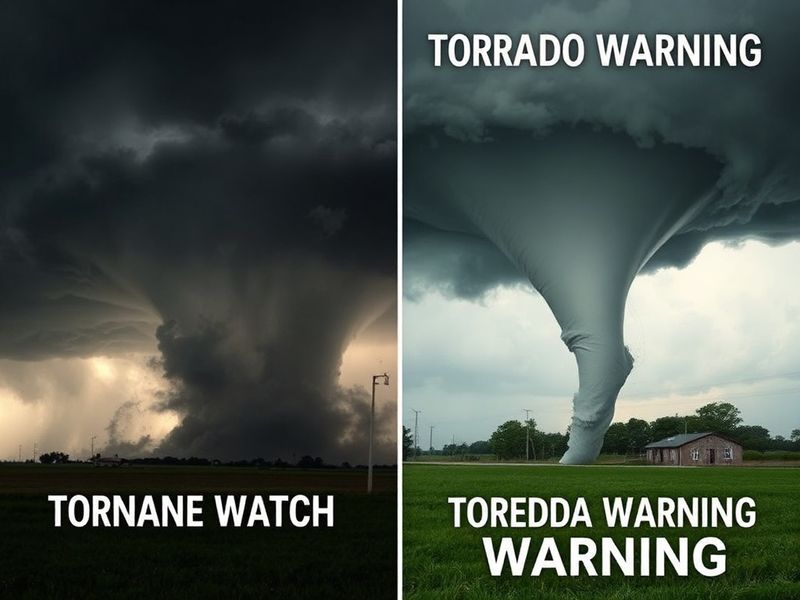
Tornado Watch vs Warning: Critical Differences Explained
“`html
Tornado Watch vs Warning: Know the Difference Before the Storm
When dark clouds gather and the wind picks up, few things are as critical as understanding the difference between a tornado watch and a tornado warning. These alerts can mean the difference between safety and danger, yet many people remain unsure about what each one actually entails. Meteorologists issue these notifications to help communities prepare, but misinterpreting them could have serious consequences.
The National Weather Service (NWS) uses these terms deliberately to convey specific levels of risk. While both are serious, they serve distinct purposes in storm communication. This distinction matters particularly in regions where tornadoes are common, such as the United States’ Tornado Alley, but similar systems exist worldwide where severe weather threatens lives. Understanding these alerts isn’t just about technical definitions—it’s about survival.
What a Tornado Watch Really Means
A tornado watch is essentially a heads-up from weather authorities. It indicates that atmospheric conditions are favorable for tornado formation within a specific area and timeframe, typically several hours. The NWS issues watches when thunderstorms show potential to produce twisters, but no tornado has been detected yet.
These watches cover large regions—sometimes multiple states—and last for several hours. Their purpose is to give people time to prepare their homes and families before dangerous weather arrives. During a watch, meteorologists recommend staying alert, reviewing safety plans, and keeping emergency supplies ready.
Globally, similar systems exist under different names. In Europe, weather services might issue a “thunderstorm watch” with similar parameters. Australia’s Bureau of Meteorology uses “severe thunderstorm watch” terminology. The principle remains consistent: when conditions could turn dangerous, authorities want people paying attention.
Key Characteristics of a Tornado Watch
- Large area coverage: Watches often span hundreds of square miles
- Extended duration: Typically valid for 4-8 hours
- No immediate danger: No tornadoes have been spotted yet
- Preparation phase: Time to review emergency plans and gather supplies
When a Tornado Warning Is Issued
A tornado warning represents an immediate threat. This alert means a tornado has been sighted or detected by radar, and dangerous conditions are either occurring or imminent. Warnings cover much smaller areas—usually counties or portions of counties—and last for about 30-45 minutes.
The transition from watch to warning often happens quickly. When meteorologists detect rotation in storms via Doppler radar or receive reports from trained spotters, they upgrade the alert level. This is when people must take action immediately, moving to pre-designated safe spaces like basements or interior rooms on the lowest floor.
In Japan, where tornadoes occur less frequently but can be devastating, the Japan Meteorological Agency issues “tornado advisory” warnings with similar urgency. Similarly, India’s meteorological department uses color-coded warnings that escalate from yellow (watch) to red (warning) based on severity. The global pattern shows that when warnings are issued, the time for preparation has ended—action is required.
Immediate Actions Required During a Warning
- Seek shelter immediately: Move to a basement, storm cellar, or interior room on the lowest floor
- Avoid windows: Flying debris is the leading cause of tornado injuries
- Cover your body: Use heavy blankets, mattresses, or helmets to protect against debris
- Stay informed: Continue monitoring weather updates via battery-powered radios or phones
- Do not wait to see the tornado: Many tornado deaths occur when people try to verify warnings visually
Cultural Approaches to Severe Weather Communication
How different cultures communicate severe weather reflects their historical relationship with nature. In the United States, the NWS’s watch/warning system evolved from decades of tornado research and public safety initiatives. This system became standardized after deadly tornado outbreaks in the 1950s and 1970s revealed the need for clearer communication.
In contrast, some European countries rely more heavily on regional weather services that issue localized alerts. Germany’s Deutscher Wetterdienst uses a tiered system with “WarnWetter” apps delivering push notifications to smartphones. Japan’s approach blends traditional observation with modern technology, using a network of volunteer storm spotters alongside advanced radar systems.
Developing nations often face unique challenges in severe weather communication. Limited resources can mean fewer weather stations and less reliable power for alerts. In Bangladesh, where tornadoes claim hundreds of lives annually, community-based early warning systems supplement official alerts. These systems rely on local volunteers who sound alarms using drums or megaphones when dangerous weather approaches.
Why This Distinction Saves Lives
The difference between a watch and a warning represents a crucial psychological shift for those in danger’s path. A watch allows for planning and preparation, while a warning demands immediate action. Studies show that people who understand this distinction respond more appropriately during severe weather events.
Technology has improved how these alerts reach the public. Smartphone emergency alerts now provide location-specific warnings, reducing the confusion that sometimes occurs with broad watch areas. Social media platforms also help spread information quickly, though they sometimes amplify misinformation alongside official updates.
Yet despite technological advances, human behavior remains the final factor in survival. People who wait until they see a tornado to take action are putting themselves at unnecessary risk. Those who treat watches as opportunities to prepare and warnings as calls to action are far more likely to emerge safely from dangerous storms.
Common Misconceptions to Avoid
- Watches are just cautions: They indicate potential danger worth preparing for
- Warnings don’t apply to me: If your area is warned, you’re in the potential path
- Sirens mean take cover: Outdoor sirens signal watches have been upgraded to warnings
- Radar can see everything: Tornadoes can form quickly without clear radar signatures
- It’s just a small tornado: Even weak tornadoes can cause serious injuries or fatalities
Understanding tornado watches and warnings is about more than memorizing definitions. It’s about developing a mindset that prioritizes safety when skies turn threatening. Whether you live in the heart of Tornado Alley or in a region where tornadoes are rare but possible, knowing these terms could save your life.
As climate patterns shift and severe weather becomes more unpredictable, clear communication becomes even more vital. The systems we have today represent generations of learning about how to survive nature’s most violent storms. By respecting the difference between watches and warnings, we honor that hard-earned knowledge.
Next time dark clouds gather on the horizon, remember: a watch means prepare, a warning means act. The time you spend understanding these alerts might be the most important minutes you ever spend.