Tornado Watch vs Warning: Don’t Confuse the Two When Storms Hit
“`html
Tornado Watch vs Warning: Know the Difference Before the Storm Hits
Understanding severe weather alerts can save lives. Here’s how to tell a tornado watch apart from a warning—and why it matters.
What Is a Tornado Watch?
A tornado watch is issued by the National Weather Service when atmospheric conditions are favorable for tornado formation. This doesn’t mean a tornado is imminent, but it signals that residents should stay alert and prepared. Typically, watches cover large areas and last for several hours, often overlapping with severe thunderstorm watches.
During a tornado watch, you should:
- Review your tornado safety plan with family or roommates
- Identify the safest room in your home—usually a basement or interior bathroom on the lowest floor
- Keep emergency supplies (water, flashlight, first aid kit) easily accessible
- Stay tuned to local weather updates via NOAA radio or trusted apps
What Is a Tornado Warning?
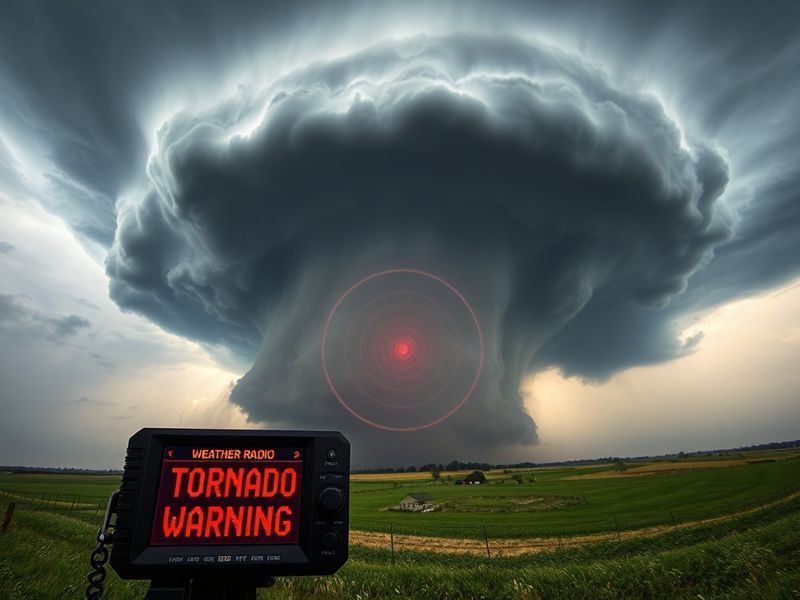
A tornado warning is far more urgent. It means a tornado has been spotted by radar or trained spotters, or is occurring right now. Warnings are issued for specific counties or communities and typically last less than an hour. This is your signal to take immediate action to protect yourself and your family.
When a warning is issued:
- Move to your designated safe room immediately
- Put on sturdy shoes and a helmet if available
- Avoid windows and stay away from large rooms like gyms or auditoriums
- Cover yourself with a mattress or heavy blankets for added protection
Why the Distinction Matters
Confusion between watches and warnings leads to dangerous delays in response. A watch is a heads-up to prepare, while a warning demands action. The National Weather Service’s terminology is precise for a reason: to prevent unnecessary panic during watches and reduce hesitation during warnings.
Historical data shows that misunderstandings contribute to fatalities. For example, during the 2011 Super Outbreak, some residents delayed seeking shelter because they misinterpreted the alerts. Clear communication saves lives, which is why local meteorologists and emergency services emphasize education before severe weather strikes.
How Technology Is Changing the Game
Modern forecasting tools have improved tornado detection, but technology also plays a role in how alerts are received. Smartphone apps now push real-time warnings to users based on GPS location, reducing reliance on sirens that may not be heard indoors. Social media platforms like Twitter and Facebook are also used by agencies to share updates quickly.
However, technology isn’t foolproof. Power outages can disable apps, and false alarms—while rare—can lead to complacency over time. The key is balancing automation with human oversight. The National Weather Service still relies on trained meteorologists to verify radar data before issuing warnings, ensuring accuracy even as systems evolve.
Preparation Beyond the Alert
Understanding watches and warnings is just one part of tornado preparedness. Long-term safety involves structural considerations, such as reinforcing garage doors or installing storm shutters, which can reduce damage even if a tornado doesn’t directly hit your home. Community awareness programs, like the ones run by Dave’s Locker’s safety resources, also help residents stay informed year-round.
For those interested in severe weather science, tracking atmospheric patterns can provide early clues about potential risks. The Storm Prediction Center’s convective outlooks, updated daily, highlight areas where conditions favor tornado development. While these tools are invaluable for meteorologists, they’re also accessible to the public through the Weather Science section of Dave’s Locker.
Final Thoughts
Tornado watches and warnings serve distinct purposes, but both require your attention. A watch prepares you; a warning protects you. The difference between the two could be the minutes it takes to reach safety. Take time now to review your plan, gather supplies, and stay informed—before the next storm arrives.