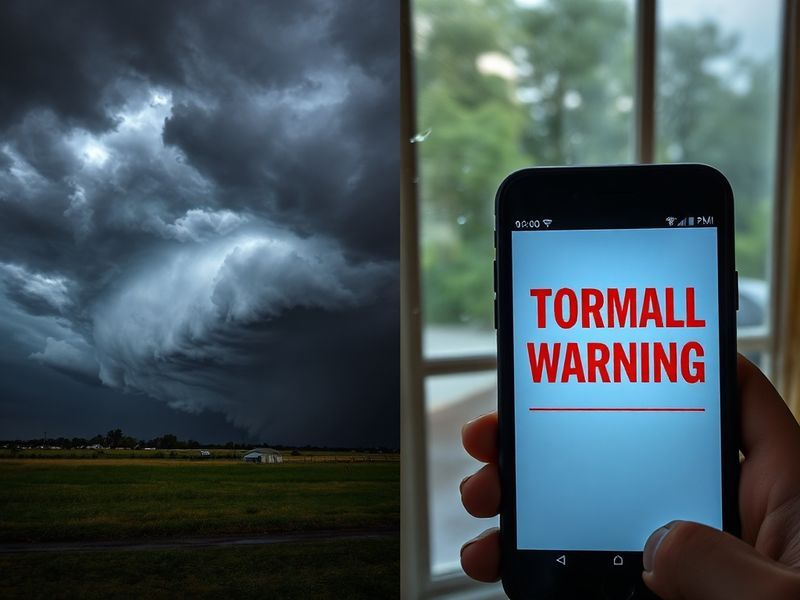
Tornado Watch vs Warning: Know the Critical Differences
“`html
Tornado Watch vs Warning: What’s the Difference?
When severe weather threatens, the National Weather Service issues two key alerts to keep communities safe: tornado watches and tornado warnings. While both are critical, they serve distinct purposes and require different responses. Understanding the difference between these alerts can make all the difference in staying safe during a storm.
Tornado watches and warnings are often confused, but they operate on different timelines and levels of urgency. A watch means conditions are favorable for tornadoes, while a warning means a tornado has been spotted or detected by radar. Knowing how to respond to each can save lives and reduce panic.
What Is a Tornado Watch?
A tornado watch is issued by the National Weather Service when weather conditions are favorable for the development of tornadoes in and near the watch area. These watches typically cover large areas and can last several hours. The goal is to alert people to remain vigilant and prepared.
During a tornado watch, you should:
- Stay informed by monitoring local weather updates.
- Review your emergency plan and ensure your safe space is accessible.
- Avoid outdoor activities that could put you at risk.
- Have a way to receive alerts, such as a weather radio or smartphone notifications.
Tornado watches are common in regions prone to severe weather, particularly during tornado season. They are not issued lightly, as forecasters rely on atmospheric instability, wind shear, and other meteorological factors to predict potential tornado development.
What Is a Tornado Warning?
A tornado warning is far more urgent than a watch. It means a tornado has been spotted by trained observers or indicated by weather radar. Warnings are issued for much smaller areas and typically last less than an hour. When a warning is active, immediate action is required.
If a tornado warning is issued for your location, you should:
- Seek shelter immediately in a sturdy building, preferably in a basement or interior room on the lowest floor.
- Avoid windows and cover yourself with a mattress or heavy blankets for protection.
- Stay in your safe space until the warning expires or officials confirm the threat has passed.
- Do not wait to see the tornado—take action as soon as the warning is issued.
Tornado warnings are issued based on confirmed sightings or radar signatures like a debris ball or hook echo. These indicators suggest a tornado is either occurring or imminent, leaving little time for hesitation.
Key Differences Between a Watch and a Warning
While both tornado watches and warnings are issued to protect lives, they differ in scope, timing, and required response. Here’s a breakdown of their distinctions:
- Purpose: A watch means conditions are favorable for tornadoes, while a warning means a tornado is occurring or imminent.
- Duration: Watches typically last several hours, whereas warnings last less than an hour.
- Geographic Area: Watches cover large regions, often multiple counties, while warnings target smaller, specific areas.
- Response: During a watch, you should stay alert and prepared. During a warning, you must take immediate action to protect yourself.
Understanding these differences ensures you don’t waste time or misinterpret the urgency of the situation. For example, if you’re under a watch and see dark clouds forming, you can prepare your safe space. But if a warning is issued, you need to act fast—there’s no time to second-guess.
Why Both Alerts Matter
Tornado watches and warnings work together to provide a layered approach to severe weather safety. Watches give communities advance notice to prepare, while warnings provide the critical final alert when danger is imminent. Both are essential tools in reducing tornado-related injuries and fatalities.
For those living in tornado-prone regions, staying informed about weather patterns and alerts is crucial. Meteorologists rely on advanced technology, such as Doppler radar and storm spotters, to issue these alerts accurately. However, the effectiveness of these warnings also depends on how communities respond.
Public awareness campaigns, such as those conducted by the National Oceanic and Atmospheric Administration (NOAA), emphasize the importance of heeding both watches and warnings. Ignoring a watch could leave you unprepared, while dismissing a warning could have deadly consequences.
How to Stay Prepared Year-Round
Tornadoes can strike at any time of year, not just during peak season. Being prepared means having a plan in place before severe weather threatens. Here are steps to ensure you’re ready:
- Create an Emergency Kit: Include water, non-perishable food, a flashlight, batteries, a first-aid kit, and a portable weather radio.
- Identify Your Safe Space: Choose a basement, storm cellar, or interior room on the lowest floor of your home. Avoid mobile homes and vehicles during warnings.
- Practice Your Plan: Conduct drills with your family or household members to ensure everyone knows what to do when a watch or warning is issued.
- Stay Informed: Sign up for local alerts and follow trusted sources like the National Weather Service or local news outlets.
For outdoor enthusiasts, staying weather-aware is especially important. If you’re camping or hiking in tornado-prone areas, always check the forecast before heading out. If storms are expected, have a plan to seek shelter quickly. For more tips on outdoor safety, visit Dave’s Locker Outdoor Safety Guide.
Preparation isn’t just about having supplies—it’s about knowing how to react instinctively when seconds count. The more you practice and stay informed, the better equipped you’ll be to handle severe weather.
Final Thoughts
Tornado watches and warnings are two sides of the same coin, each playing a vital role in keeping communities safe. A watch prepares you for potential danger, while a warning demands immediate action. Neither should be ignored, as both are issued with the sole purpose of protecting lives.
As severe weather events become more frequent and intense, understanding these alerts is more important than ever. By staying informed, preparing ahead of time, and knowing the difference between a watch and a warning, you can reduce the risks posed by tornadoes and other severe storms.
The next time you see a tornado watch or warning issued for your area, remember: a watch means stay alert, but a warning means take cover. Your safety depends on it.