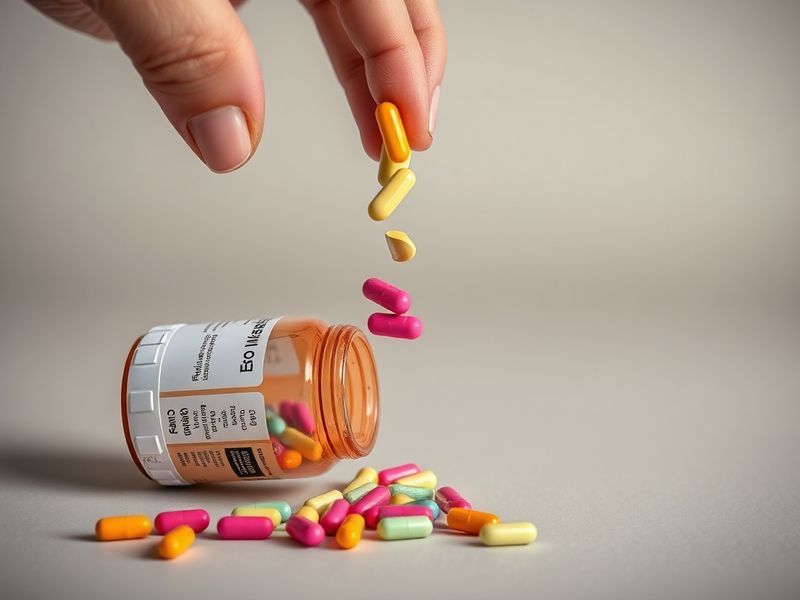
Antidepressant Recalls Reveal Flaws in Drug Safety Systems
“`html
Antidepressant Recalls Expose Gaps in Drug Safety
The recent string of antidepressant recalls has sent ripples through the medical community and left patients questioning the reliability of pharmaceutical safeguards. These recalls, though varying in scope and severity, underscore persistent concerns about drug manufacturing standards, regulatory oversight, and the delicate balance between efficacy and safety in mental health treatment.
The issue gained traction in early 2024 when multiple batches of a widely prescribed selective serotonin reuptake inhibitor (SSRI) were pulled from shelves due to contamination risks. The manufacturer cited “potential impurities” that could pose long-term health risks—though the exact nature of these impurities and their actual danger remain points of contention among experts. This incident followed closely on the heels of another recall involving a tricyclic antidepressant, where inconsistencies in dosage uniformity led to a voluntary withdrawal from the market.
What’s Driving the Wave of Antidepressant Recalls?
The uptick in antidepressant recalls reflects broader systemic challenges within the pharmaceutical industry. Several factors are converging to create a perfect storm:
- Manufacturing Shortcuts: Pressure to meet demand, particularly for high-volume medications like SSRIs, has led some producers to cut corners in quality control. Reports suggest that lapses in sterile processing and inadequate equipment maintenance are recurring themes in recent cases.
- Regulatory Oversight Gaps: While agencies like the FDA conduct routine inspections, critics argue that reactive measures—responding to problems after they occur—are insufficient. The time lag between detection and enforcement allows potentially harmful drugs to remain on the market longer than they should.
- Global Supply Chain Pressures: Many antidepressants rely on active pharmaceutical ingredients (APIs) sourced overseas. Disruptions caused by geopolitical tensions, raw material shortages, or labor issues can force manufacturers to prioritize speed over precision.
- Emerging Contaminants: The detection of novel impurities, such as nitrosamines—compounds linked to carcinogenic risks—has intensified scrutiny. Even trace amounts can trigger recalls, highlighting how sensitive modern testing has become.
These factors don’t operate in isolation. A single lapse in one facility can cascade into a broader public health issue, especially when medications are used by millions over extended periods. For patients who depend on these drugs for stability, the recalls are more than procedural failures; they represent a breach of trust.
The Human Cost: Patients Caught in the Crossfire
The emotional and physical toll on patients is often overlooked in discussions about drug recalls. For individuals managing depression, anxiety, or other mental health conditions, abruptly losing access to a trusted medication can trigger withdrawal symptoms, relapse, or even crisis episodes.
Consider the case of Sarah Thompson*, a 34-year-old teacher from Ohio who relied on a generic version of sertraline for over five years. When her pharmacy notified her of a recall, she faced a two-week wait for a replacement batch—leaving her without her primary mood stabilizer. “I felt like I was back at square one,” she said. “The anxiety wasn’t just about the medication. It was about not knowing when—or if—I’d find something that worked again.”
While some patients successfully transition to alternatives, others face a grueling trial-and-error process. Generics, though cost-effective, are not always bioequivalent, and switching formulations can lead to unpredictable side effects or diminished efficacy. Clinicians report an uptick in consultations for patients struggling with dosage adjustments or withdrawal management after recalls.
The psychological impact extends beyond individuals. Families of those affected often bear the burden of emotional support, navigating insurance hurdles to secure new prescriptions or advocating for their loved ones during transitions. For low-income patients without robust healthcare coverage, the recalls exacerbate existing disparities in mental health treatment.
Regulatory Response: Too Little, Too Late?
In response to the recalls, regulatory bodies have scrambled to reassure the public while tightening protocols. The FDA issued updated guidance in March 2024, emphasizing “enhanced surveillance” of drug manufacturing facilities and mandatory reporting of potential contamination risks. Yet, critics argue these measures are reactive rather than preventative.
Dr. Elena Vasquez, a pharmacologist at Johns Hopkins University, notes, “The system is designed to catch problems after they happen, not to prevent them. We need a shift toward real-time monitoring, where deviations in production are flagged immediately—not weeks or months later.”
The agency has also faced scrutiny over its communication strategies. In some cases, recall notices were delayed or lacked clarity, leaving patients and healthcare providers scrambling for information. Transparency remains a critical issue, as does the need for clearer pathways for patients to report adverse effects or seek compensation.
Industry representatives counter that the recalls, while troubling, reflect an evolving regulatory landscape. “The increased detection of issues is a sign that our monitoring systems are improving,” said Mark Reynolds, a spokesperson for the Pharmaceutical Research and Manufacturers of America (PhRMA). “But we must balance vigilance with accessibility. Patients need these medications, and we cannot afford shortages.”
Looking Ahead: Can the System Be Fixed?
The antidepressant recall crisis is a symptom of deeper flaws in the pharmaceutical ecosystem. Addressing it will require a multi-pronged approach:
- Investing in Domestic Production: Reducing reliance on overseas API sources could mitigate supply chain vulnerabilities. Bills like the Prescription Drug Affordability Act aim to incentivize domestic manufacturing, though progress has been slow.
- Strengthening Post-Market Surveillance: Real-time data analytics and AI-driven monitoring could identify trends in drug performance or adverse events more swiftly. Pilot programs in Europe have shown promise, but adoption in the U.S. remains limited.
- Patient-Centered Policies: Streamlining the process for patients to access alternative medications—without bureaucratic delays—is critical. This includes expanding telehealth options for mental health care and ensuring insurance coverage for generics and brand-name alternatives.
- Industry Accountability: Stricter penalties for manufacturers that repeatedly violate quality standards could serve as a deterrent. Transparency in production processes should also be mandatory, not voluntary.
The road to reform is long, but the stakes couldn’t be higher. Mental health treatment is not a luxury—it’s a necessity for millions. The recalls have exposed the fragility of a system that, at its core, should prioritize patient safety above all else. Whether these lessons lead to meaningful change remains to be seen.
For now, patients like Sarah Thompson continue to navigate an uncertain landscape. Her story is a reminder that behind every recall notice is a person whose well-being hangs in the balance. The question is whether the system will finally listen.
Conclusion
The antidepressant recall crisis is more than a series of isolated incidents—it’s a wake-up call. It reveals the vulnerabilities in a system tasked with safeguarding public health while meeting the demands of a global market. While regulators, manufacturers, and policymakers grapple with solutions, patients are left to bear the consequences. The path forward requires collaboration, transparency, and a renewed commitment to putting people before profits. Only then can we ensure that the medications meant to heal don’t end up harming those who need them most.