Financial Crises Explained: Causes, Impacts, and Recovery
“`html
Understanding Financial Crises: Causes, Impacts, and Recovery
The specter of financial crises looms large over global economies, often striking without warning yet leaving lasting scars. These events disrupt markets, erode savings, and reshape policies in ways that can persist for decades. While each crisis carries unique characteristics, they share common threads that reveal the vulnerabilities of interconnected financial systems.
The most severe crises—such as the Great Depression of the 1930s or the 2008 global financial meltdown—serve as stark reminders of how quickly stability can unravel. Understanding these episodes requires examining the interplay between economic policies, market behaviors, and human psychology. Recovery from such events is never swift or straightforward, often demanding structural reforms and societal adjustments.
The Anatomy of a Financial Crisis
Financial crises typically unfold in stages, beginning with the accumulation of imbalances that go unnoticed until they reach a breaking point. One of the most common triggers is asset bubbles, where prices of stocks, real estate, or other investments surge far beyond their intrinsic values. These bubbles inflate due to excessive speculation, cheap credit, or regulatory oversights.
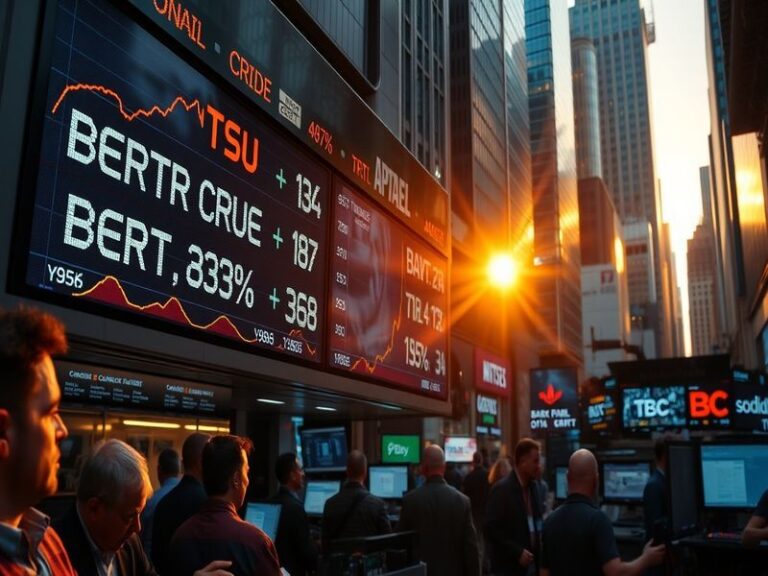
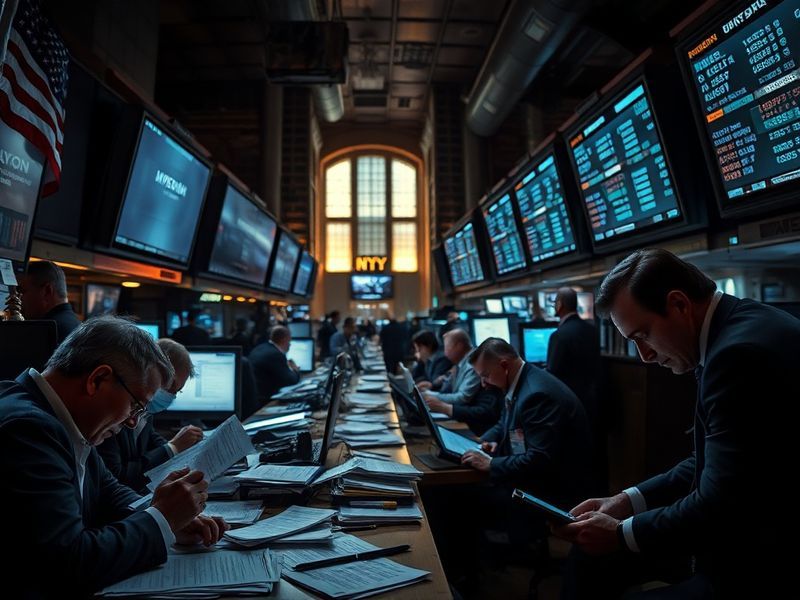
When the bubble bursts, panic selling ensues, leading to sharp declines in asset prices. This triggers margin calls, where investors must sell assets to cover debts, further accelerating the collapse. Banks and financial institutions, heavily exposed to these assets, face liquidity crises as loans go bad and depositors demand withdrawals. The resulting credit crunch stifles economic activity, as businesses struggle to secure funding and consumers cut spending.
A key feature of modern crises is their global reach. In an interconnected world, financial contagion spreads rapidly through trade, investment flows, and market linkages. For instance, the 2008 crisis originated in the U.S. subprime mortgage market but quickly engulfed Europe, Asia, and beyond. Governments and central banks often respond with emergency measures, such as bailouts, interest rate cuts, or quantitative easing, to stabilize markets and restore confidence.
Case Study: The 2008 Financial Crisis
The collapse of Lehman Brothers in September 2008 marked the climax of the most severe financial crisis since the Great Depression. The roots of the crisis traced back to the U.S. housing market, where lax lending standards and predatory lending practices fueled a boom in subprime mortgages. These high-risk loans were then securitized into complex financial instruments, such as mortgage-backed securities (MBS) and collateralized debt obligations (CDOs), which were sold to investors worldwide.
When homeowners began defaulting on mortgages en masse, the value of these securities plummeted, eroding the balance sheets of banks and financial institutions. The crisis exposed the fragility of the shadow banking system, which relied heavily on short-term funding and lacked adequate safeguards. The bankruptcy of Lehman Brothers, a 158-year-old investment bank, sent shockwaves through global markets, triggering a liquidity freeze and a severe economic contraction.
Governments responded with unprecedented interventions. The U.S. Federal Reserve slashed interest rates to near zero and launched quantitative easing programs to inject liquidity into the financial system. Meanwhile, the Troubled Asset Relief Program (TARP) authorized $700 billion to stabilize banks. In Europe, the European Central Bank and individual governments provided bailouts to struggling banks and countries, such as Greece and Ireland, which were overwhelmed by debt.
The aftermath of the 2008 crisis reshaped financial regulations. In the U.S., the Dodd-Frank Wall Street Reform and Consumer Protection Act introduced stricter oversight of banks, including the Volcker Rule, which restricted proprietary trading. Basel III, an international regulatory framework, raised capital requirements and introduced liquidity standards to enhance the resilience of financial institutions. These reforms aimed to prevent a repeat of the crisis, though critics argue they may have stifled innovation and economic growth.
Human Costs and Societal Impact
Beyond the numbers and policy debates, financial crises inflict profound human costs. Unemployment rates soar as businesses downsize or close, leaving millions without income. For example, during the Great Recession, the U.S. unemployment rate peaked at 10% in October 2009, with over 15 million people out of work. The scars of job losses linger long after the crisis subsides, affecting career trajectories and lifetime earnings.
Inequality often worsens in the wake of a crisis. While asset owners and high-income earners may recover quickly, those in precarious employment or without savings face prolonged hardship. The 2008 crisis widened the wealth gap, as the top 1% of earners captured a disproportionate share of the recovery, while median household incomes stagnated. Social unrest can also erupt, as seen in the Occupy Wall Street movement, which protested corporate greed and income disparity.
Housing markets are particularly vulnerable during crises. Foreclosure rates skyrocket as homeowners struggle to meet mortgage payments, leading to widespread evictions and homelessness. In Spain, for instance, the bursting of the housing bubble in 2008 left thousands of families in precarious living situations, with entire neighborhoods abandoned. Governments often step in with mortgage relief programs, but these measures are rarely sufficient to address the scale of the problem.
The psychological toll of financial crises is another critical yet often overlooked aspect. Studies have shown that economic downturns correlate with increased rates of depression, anxiety, and suicide. The loss of a job or home can shatter personal identities and erode social cohesion. Communities that rely on a single industry, such as manufacturing or mining, are particularly susceptible to long-term decline, as seen in the Rust Belt of the U.S. or the industrial heartlands of Europe.
Lessons and Paths Forward
Financial crises are not inevitable, but their recurrence suggests that markets and policymakers have yet to fully address their underlying causes. One recurring issue is the procyclical nature of finance, where optimism fuels excessive risk-taking during booms, only for pessimism to trigger panic during busts. Countercyclical policies, such as dynamic provisioning for banks or automatic stabilizers for economies, can help mitigate these swings.
Another lesson is the importance of transparency and accountability. The 2008 crisis revealed how complex financial products, such as CDOs, obscured risk and misled investors. Enhanced disclosure requirements and stress testing for financial institutions can improve market discipline. However, regulation alone is not enough; ethical behavior and corporate governance must also be reinforced to prevent reckless decision-making.
For individuals, financial literacy and preparedness are key to weathering crises. Building emergency savings, diversifying investments, and avoiding excessive debt can provide a buffer against economic shocks. Communities can also play a role by fostering resilience through local initiatives, such as cooperative business models or mutual aid networks, which proved invaluable during the pandemic and other crises.
Looking ahead, the rise of fintech and digital currencies presents both opportunities and risks. While innovations like blockchain and peer-to-peer lending can democratize finance, they also introduce new vulnerabilities, such as cybersecurity threats or unregulated shadow banking. Policymakers must strike a balance between fostering innovation and safeguarding stability.
Preparing for the Next Crisis
The question is not whether another financial crisis will occur, but when and how severe it will be. History suggests that crises are a recurring feature of capitalism, driven by human nature and systemic flaws. However, the tools to manage and mitigate these events are also advancing, from big data analytics for early warning systems to machine learning for detecting fraudulent activities.
Investors and businesses can take proactive steps to minimize exposure. Diversifying portfolios across asset classes and geographies can reduce risk. Stress-testing business models against historical crises can identify vulnerabilities. Meanwhile, governments can implement macroprudential policies, such as countercyclical capital buffers, to build resilience in the financial system.
Education and public awareness are equally critical. Understanding the warning signs of a crisis—such as excessive leverage, asset bubbles, or regulatory arbitrage—can empower individuals and institutions to act before it’s too late. Media and thought leaders also have a responsibility to foster informed debates about economic policies, rather than succumbing to sensationalism or oversimplification.
Ultimately, the goal is not to eliminate financial crises entirely—an impossible task—but to reduce their frequency and severity. This requires a holistic approach that addresses the structural, behavioral, and systemic factors that contribute to instability. By learning from past mistakes and embracing innovation responsibly, societies can build a more resilient financial future.
For those interested in exploring the broader economic trends that shape financial crises, our Business and Finance categories offer in-depth analysis and expert commentary on these critical topics.
Key Takeaways
- Financial crises often stem from asset bubbles, excessive leverage, and regulatory failures.
- The 2008 crisis highlighted the dangers of complex financial products and interconnected risks.
- Human costs include job losses, inequality, and mental health struggles, which can last for years.
- Regulatory reforms like Dodd-Frank and Basel III aim to prevent future crises but face criticism for stifling growth.
- Individuals and communities can build resilience through financial literacy, diversification, and local initiatives.