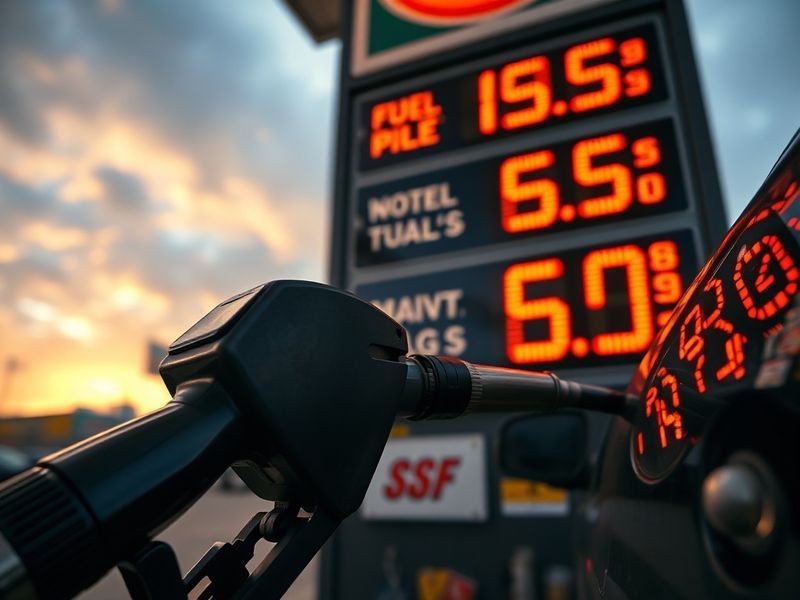
Gas Prices Around the World: What’s Driving the Cost at the Pump
“`html
Gas Prices: A Global Pressure Cooker for Drivers and Economies
The cost of filling up a car today feels less like routine maintenance and more like a monthly bill that demands careful budgeting. Gas prices ripple through economies, influence political decisions, and shape cultural habits from Los Angeles to Lagos. In 2023, the global average for gasoline hovered around $3.80 per gallon—though that single figure masks vast regional disparities, from $1.50 in Venezuela to over $6.00 in Hong Kong.
Fuel isn’t just a commodity; it’s a cultural mirror. It reflects geopolitical tensions, technological shifts, and environmental priorities. As nations pivot toward renewable energy, fossil fuel dependence remains a stubborn reality for millions of drivers worldwide. Understanding gas prices means tracing a web of factors: supply chains, war, climate policy, and consumer behavior.
The Anatomy of a Price Tag
What makes gas so expensive—or occasionally cheap—isn’t just the price of crude oil. A gallon of gasoline is the result of a complex calculation involving extraction, refining, taxation, and distribution. Crude oil prices, set globally by markets like Brent and WTI, form the base cost. But taxes and fees often account for 20% to 50% of the final price in developed nations.
In Europe, high fuel taxes fund infrastructure and public transit. Germany’s gas price includes a 65% tax rate, making €1.80 per liter common at the pump. In contrast, U.S. drivers face lower taxes but higher refining and distribution costs. California, with its strict environmental rules, regularly has the highest prices in the country—often exceeding $5.00 per gallon even when national averages dip.
The refining process adds another layer. Gasoline isn’t pumped straight from the ground. It must be processed, blended with additives, and shipped to stations. This infrastructure is expensive to build and maintain, especially when refineries face regulatory hurdles or unexpected shutdowns.
Why Do Prices Fluctuate So Wildly?
Gas prices don’t move in a straight line. They surge and dip based on events that seem distant from the pump. A hurricane in the Gulf of Mexico can shutter refineries and send prices soaring in the Southeast. A new oil field discovery in Guyana can ease global supply fears for months. OPEC+ production cuts in 2023 tightened supply and pushed prices above $90 per barrel—triggering anxiety at gas stations across North America and Europe.
Speculation also plays a role. Traders in London and New York buy and sell oil futures, betting on future supply and demand. These bets can amplify price swings, especially during crises. When Russia invaded Ukraine in 2022, global oil markets reacted immediately. Within weeks, gasoline prices in the U.S. jumped over 50 cents per gallon.
The seasonal rhythm of prices is another factor. Summer blends, required to reduce smog, are more expensive to produce. That’s why Memorial Day often marks the unofficial start of high gas prices in the U.S. Meanwhile, winter heating oil demand can tighten gasoline supplies in colder regions.
The Human Cost: Who Feels It Most?
Gas prices aren’t just numbers—they’re lived experiences. For low-income families, a $0.50 increase per gallon can mean choosing between groceries and commuting to work. In rural America, where public transit is scarce, drivers often have no alternative but to absorb the cost. A 2023 study by the Brookings Institution found that households in the bottom income quintile spend nearly 10% of their budgets on gasoline, compared to less than 3% for the top quintile.
In developing nations, the impact is even more severe. In Nigeria, where fuel subsidies were partially removed in 2023, protests erupted as prices jumped over 200% in some regions. The government later reinstated partial subsidies, but the episode highlighted how energy costs can destabilize societies.
Urban drivers face different challenges. In cities like New York and London, congestion pricing and emissions fees add hidden layers to fuel costs. Drivers in London’s Ultra Low Emission Zone pay extra to enter the city center, stacking environmental policy on top of already high gas prices. These policies aim to reduce pollution, but they disproportionately affect essential workers who can’t afford newer, cleaner vehicles.
Adaptation in Motion
People adapt. Some switch to electric vehicles, though adoption rates vary widely. In Norway, EVs make up over 80% of new car sales due to generous incentives. In the U.S., that figure is around 8%, despite federal tax credits. Infrastructure remains a barrier—charging deserts in rural areas and apartment buildings without outlets slow progress.
Others change their habits. Carpooling surged during the 2022 price spike in the U.S. Ride-sharing apps reported record usage as commuters sought to split costs. Public transit ridership rebounded post-pandemic, but uneven service quality limits its appeal in many regions.
Even small businesses feel the pinch. Delivery drivers, truckers, and taxi services pass higher fuel costs to customers. In 2023, food delivery apps in Europe raised service fees by up to 15% to offset rising fuel expenses. Mom-and-pop shops that rely on diesel generators or delivery vans face squeezed margins.
The Road Ahead: Policies, Innovations, and Uncertain Futures
Governments are caught between competing priorities: keeping prices affordable, reducing emissions, and maintaining energy security. The Biden administration in the U.S. released millions of barrels from the Strategic Petroleum Reserve in 2022 to stabilize prices. The EU accelerated renewable energy targets to reduce dependence on Russian oil. Meanwhile, countries like Saudi Arabia and Russia continue to wield oil as a geopolitical tool.
Technology offers some hope. Refiners are piloting biofuel blends that reduce carbon intensity. Startups are developing synthetic fuels that mimic gasoline without fossil inputs. Battery technology is improving, with solid-state batteries promising longer ranges and faster charging. But none of these solutions will scale overnight.
One thing is clear: gas prices will remain volatile. Climate change threatens to disrupt oil production through extreme weather. Geopolitical flashpoints—from the Middle East to the South China Sea—can tighten supply at any moment. And consumer demand shows no sign of slowing, especially in fast-growing economies like India and Indonesia.
For now, drivers must navigate a landscape where fuel prices are less predictable than ever. The era of cheap gas may be over, but the transition to something new has only just begun.
What’s Next for Drivers?
If you’re looking to reduce your gas expenses, consider these strategies:
- Plan your trips: Combine errands to minimize driving. Use apps like Waze or Google Maps to avoid traffic and reduce idle time.
- Monitor fuel rewards: Many grocery stores, banks, and credit cards offer cashback or discounts on fuel purchases. Stacking rewards can save $10–$30 per month.
- Check your tire pressure: Underinflated tires can reduce fuel efficiency by up to 3%. Regular maintenance saves money at the pump and extends your vehicle’s life.
- Explore alternatives: If you commute daily, look into carpooling or public transit. In some cities, biking or e-scooters can replace short car trips entirely.
- Stay informed: Fuel price trackers like GasBuddy or AAA’s Fuel Gauge Report can help you find the cheapest stations in your area.
For those considering a vehicle upgrade, electric and hybrid models are becoming more affordable. The used EV market is growing, and federal and state incentives can cut purchase prices significantly. However, weigh charging convenience against upfront costs. Not all neighborhoods offer easy access to charging stations.
Gas prices aren’t going away. But with the right tools and habits, drivers can cushion the blow and prepare for a future where fuel isn’t the only option.
From the Editor’s Desk
We’ve covered the mechanics behind gas prices, their human impact, and strategies to adapt. But the story doesn’t end at the pump. Whether you’re a daily commuter, a road trip enthusiast, or someone planning your next car purchase, understanding fuel costs is key to navigating modern life. For more insights on how energy trends shape our world, check out our Science section or explore our deep dive into Automotive innovations. Knowledge is the first step toward control.