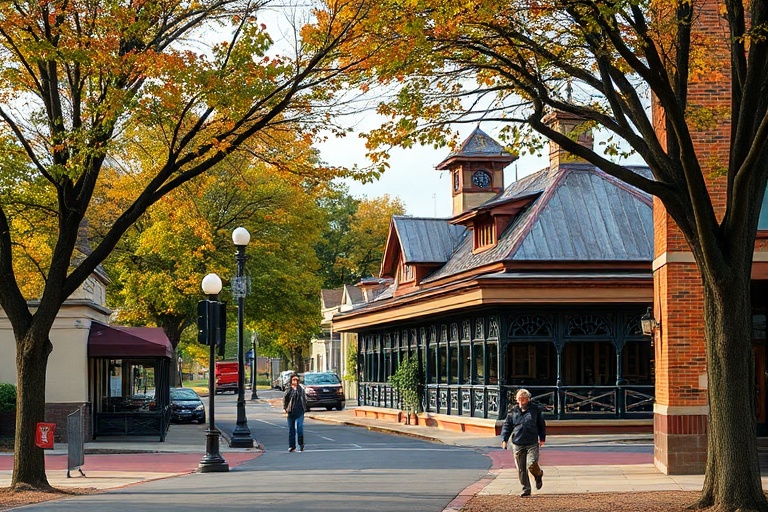
Golders Green: London’s Hidden Cultural Gem Revealed
“`html
Golders Green: London’s Hidden Cultural Gem
Nestled in the northwest corner of London, Golders Green is a neighborhood that often flies under the radar despite its rich history and vibrant community. Known primarily for its Jewish heritage and bustling markets, this area offers far more than meets the eye. From its architectural charm to its culinary diversity, Golders Green stands as a microcosm of London’s multicultural identity.
The History and Cultural Roots of Golders Green
Golders Green’s story begins in the early 20th century when it was a rural hamlet on the outskirts of London. The arrival of the Underground in 1907 transformed it into a suburban enclave, attracting a wave of Jewish immigrants fleeing persecution in Eastern Europe. By the 1930s, Golders Green had become a hub for Jewish life in London, home to synagogues, kosher restaurants, and cultural institutions.
The neighborhood’s Jewish influence remains strong today, with landmarks like the Golders Green Hippodrome, a former cinema turned into a synagogue, and the Finchley Road Jewish community center. Yet, Golders Green’s appeal extends beyond its religious and cultural institutions. Its tree-lined streets and Art Deco buildings reflect a bygone era of elegance and sophistication.
A Neighborhood of Contrasts
Golders Green’s identity is shaped by its contrasts. On one hand, it retains a strong sense of tradition, with kosher bakeries and Jewish bookshops lining the streets. On the other, it has evolved into a melting pot of cultures, with Polish delis, Middle Eastern eateries, and indie cafes catering to a diverse population. This blend of old and new creates a unique atmosphere that is both nostalgic and forward-thinking.
The area’s proximity to Hampstead Heath and the Northern Line’s easy access to central London have also made it a desirable location for young professionals and families. Yet, despite its growth, Golders Green has managed to preserve its community feel, a rarity in a city as sprawling and impersonal as London.
Key Attractions and Hidden Gems
Golders Green may not be on every tourist’s itinerary, but those who venture into this neighborhood will find plenty to explore. Below are some of its standout attractions:
- Golders Green Crematorium: One of the most famous crematoriums in the UK, known for its stunning architecture and serene gardens. It has been a place of quiet reflection since 1902.
- Golders Hill Park: A hidden oasis featuring a small zoo, aviary, and a picturesque pond. It’s a perfect spot for a leisurely stroll or a family outing.
- Jewish Museum London: Located nearby in Camden, this museum offers insights into Jewish history and culture in Britain, with exhibitions that span centuries.
- Finchley Road Shopping Centre: A bustling retail hub where you can find everything from vintage clothing to international cuisine. It’s a great place to experience the neighborhood’s diversity.
- Oakthorpe Jewish Cemetery: A historic burial ground that provides a glimpse into the area’s Jewish heritage. The cemetery is also an important site for genealogy researchers.
The Culinary Scene: A Feast for the Senses
Food lovers will find Golders Green to be a paradise. The neighborhood’s culinary offerings reflect its multicultural population, with everything from traditional Jewish delis to modern fusion eateries. Here are a few standout spots:
- Beigel Bake: A legendary 24-hour bakery famous for its salt beef bagels. It’s a must-visit for anyone craving a taste of London’s Jewish deli culture.
- Golders Green Brasserie: A cozy restaurant offering a mix of British and international dishes. Its Sunday roast is a local favorite.
- Al Diwan: A Lebanese restaurant known for its mezze platters and grilled meats. It’s a great spot for a casual dinner with friends.
- Kosher King: One of the most popular kosher takeaways in the area, serving everything from falafel to schnitzel.
The diversity of Golders Green’s food scene is a testament to its evolving identity. While its Jewish roots remain prominent, the neighborhood has embraced influences from around the world, making it a true culinary destination.
Golders Green in the Broader Context of London
Golders Green’s story is not just about its past; it’s also about its place in the broader narrative of London’s urban development. As the city continues to grow and change, neighborhoods like Golders Green face both challenges and opportunities.
One of the biggest challenges is balancing preservation with progress. The area’s historic buildings and cultural landmarks are treasures that need to be protected. At the same time, Golders Green must adapt to the needs of a modern, diverse population. This tension is evident in debates over housing development, gentrification, and the preservation of green spaces.
Yet, Golders Green’s ability to adapt while retaining its character is what makes it special. Unlike some London neighborhoods that have lost their soul to redevelopment, Golders Green has managed to evolve without erasing its history. This is largely due to the efforts of local community groups and preservation societies that advocate for the area’s unique heritage.
Another factor contributing to Golders Green’s resilience is its strong sense of community. The neighborhood’s residents, whether long-time locals or recent arrivals, are deeply invested in its future. This communal spirit is evident in the numerous festivals, markets, and events that take place throughout the year, from Hanukkah celebrations to summer fairs.
The Future of Golders Green
Looking ahead, Golders Green faces both opportunities and challenges. The extension of the Northern Line to Battersea and other parts of London could bring increased investment and attention to the area. However, it could also lead to rising property prices and the displacement of long-time residents.
For Golders Green to thrive in the coming decades, it will need to strike a balance between growth and preservation. This means protecting its cultural landmarks, supporting local businesses, and ensuring that its green spaces remain accessible to all. It also means fostering inclusivity, ensuring that the neighborhood remains a welcoming place for people of all backgrounds.
Ultimately, Golders Green’s success will depend on its ability to stay true to its roots while embracing the future. In a city that is constantly changing, neighborhoods like Golders Green serve as reminders of the importance of community, heritage, and diversity.
Conclusion: Why Golders Green Matters
Golders Green may not be the most glamorous or well-known neighborhood in London, but its significance lies in its authenticity. It is a place where history and modernity coexist, where tradition and innovation intersect, and where diversity is celebrated. For those willing to look beyond the surface, Golders Green offers a rich tapestry of experiences that reflect the best of London.
Whether you’re drawn to its cultural landmarks, its culinary delights, or simply its charming streets, Golders Green is a neighborhood worth exploring. In a city of eight million people, it stands out as a place where community and culture thrive. And in an era of rapid change, it serves as a reminder of the importance of preserving what makes a neighborhood unique.
So, the next time you find yourself in London, take a detour to Golders Green. You might just discover a hidden gem that captures the true spirit of the city.
For more insights into London’s diverse neighborhoods, check out Culture and Travel on Dave’s Locker.