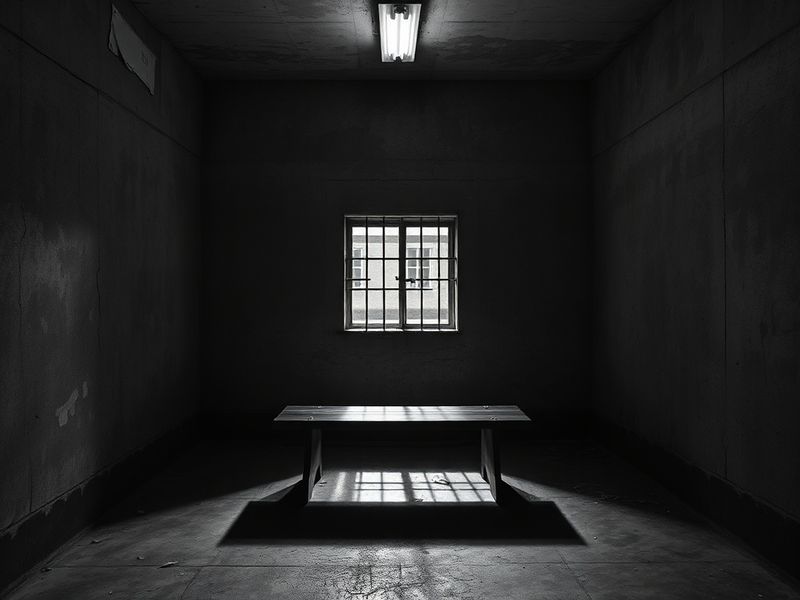
Detention occupies a peculiar place in the American educational system—a punishment that is at once familiar and poorly understood. It’s the shadowy afterthought of discipline, handed out for tardiness, minor infractions, or defiance, often without deeper reflection on its purpose or impact. Yet for millions of students each year, detention is more than a missed lunch or a quiet classroom; it’s a rite of passage, a badge of inconvenience, or sometimes a source of quiet defiance in itself.
Its simplicity is deceptive. Detention requires no expensive equipment, no specialized staff beyond a supervising teacher, and no elaborate process. It functions as a low-cost disciplinary tool in an era of overburdened school budgets and underfunded student support systems. But beneath its surface lies a complex web of psychological, social, and educational consequences that rarely make it into policy discussions.
The Rise of Detention as a Default Punishment
Detention didn’t emerge as a formal practice until the early 20th century, as compulsory education expanded and classrooms grew more crowded. Before that, discipline in schools was often punitive and physical—think rulers, dunce caps, or humiliating public shaming. The introduction of detention reflected a shift toward more “modern” forms of discipline: isolation from peers, structured silence, and delayed gratification.
Today, detention has become the default response to minor behavioral issues. Schools use it so frequently that some students accumulate dozens of detentions over their academic careers. It’s often the first and only consequence applied, even when root causes—like learning disabilities, trauma, or family stress—go unaddressed.
This overreliance on detention reveals a fundamental gap in school discipline strategies. While suspensions and expulsions have come under scrutiny for their disproportionate impact on marginalized students, detention has largely escaped critical examination. Yet it persists, quietly shaping student behavior and school culture in ways that are neither measured nor questioned.
Who Gets Detention—and Who Doesn’t?
Discipline in schools is never neutral. Studies show that students of color, particularly Black and Latino boys, are more likely to receive detention for subjective offenses like “disrespect” or “defiance.” Meanwhile, white students may receive warnings or lighter consequences for similar behavior. This disparity reflects broader patterns of racial bias in school discipline, where expectations and enforcement differ based on race.
Gender also plays a role. Girls, especially in middle and high school, are often given detention for social infractions—talking too much, violating dress codes, or “distracting” others. Their detentions are framed as moral lessons rather than behavioral corrections, reinforcing gendered expectations of compliance and quiet submission.
These patterns raise uncomfortable questions: Is detention truly about correcting behavior, or is it a tool for maintaining order through control? And when it’s applied unevenly, does it become part of a larger system of surveillance and punishment in schools?
The Psychological Toll of Silent Confinement
Sitting for an hour in silence, staring at a blank wall or a worksheet that feels like penance—this is the reality of many detention halls. The experience is designed to be unpleasant, a deterrent against future rule-breaking. But what are its psychological effects on students?
For some, detention becomes a space of reflection. They use the time to catch up on homework, organize thoughts, or simply decompress from a stressful day. For others, it’s a source of humiliation and resentment. Being singled out in front of peers can erode self-esteem, especially when detention becomes a recurring event.
Research on the impact of detention is limited, but related studies on exclusionary discipline paint a troubling picture. Students who frequently experience isolation or removal from class show higher rates of anxiety, depression, and disengagement from school. Even when detention is brief, its cumulative effect can contribute to a growing sense of alienation.
Moreover, detention rarely addresses the underlying issues that led to the infraction. A student who acts out due to hunger, bullying, or family instability isn’t likely to benefit from sitting quietly in a room with peers who may resent them for being there. Without restorative practices or counseling, detention becomes a bandage on a deeper wound.
Alternatives That Could Work Better
As schools reconsider punitive discipline, some are turning to alternatives like restorative justice, peer mediation, or in-school suspension programs. These approaches focus on repairing harm rather than assigning blame. They encourage dialogue, accountability, and skill-building—tools that serve students long after graduation.
Restorative circles, for example, bring together the student who caused harm, those affected, and a facilitator to discuss what happened and how to make it right. Unlike detention, which isolates, restorative practices foster connection and empathy. Early adopters of these models report fewer behavioral incidents and improved school climate.
Even small changes can make a difference. Some schools have replaced detention with “reflection time,” where students write about their behavior and how to improve. Others use detention as an opportunity for community service—helping clean the cafeteria, organizing books, or tutoring younger students. These variations shift the focus from punishment to growth.
Should Detention Be Abolished?
The debate over detention isn’t about whether students should face consequences for breaking rules. It’s about whether detention—as currently practiced—is the right consequence. For many educators, it’s a necessary evil, a way to maintain order without escalating to more severe measures. But for students, especially those who already feel disconnected from school, detention can feel like a punishment without purpose.
There’s a strong case for reforming detention rather than eliminating it outright. Schools could begin by limiting its use to serious or repeated infractions, ensuring it’s never applied arbitrarily. They could also pair detention with opportunities for reflection, mentorship, or skill-building. And crucially, schools must address the root causes of behavior—whether through counseling, academic support, or trauma-informed practices.
Yet the most radical step would be to rethink discipline entirely. If the goal is to help students learn from their mistakes, then detention may be the wrong tool. It teaches compliance, not responsibility; silence, not communication. In a world where schools are supposed to prepare students for critical thinking and emotional resilience, detention feels like a relic of a bygone era.
Looking Forward: A Call for Thoughtful Discipline
Detention won’t disappear overnight. It’s too ingrained in school culture, too easy to implement, and too rarely questioned. But as conversations about school discipline evolve, detention deserves a closer look. Is it truly serving students, or is it merely a convenient way to manage behavior without addressing its causes?
The answer lies not in abolishing detention entirely, but in transforming it. Schools can reimagine detention as a space for growth, not just punishment. They can ensure it’s applied fairly and used sparingly. And they can pair it with broader efforts to create supportive, inclusive learning environments where discipline is about learning, not just control.
Until then, detention will remain a quiet symbol of an educational system that values order over understanding. But for the students who endure it, its legacy is far from quiet. It’s a daily reminder of the gap between discipline and care.
Perhaps the real question isn’t whether detention works, but whether we’ve settled for a system that doesn’t.
Key Takeaways on Detention in Schools
- Detention is a low-cost, widely used disciplinary tool with deep roots in 20th-century school discipline practices.
- Its application is uneven, disproportionately affecting students of color, boys, and girls in gendered ways.
- Psychological effects can be harmful, contributing to anxiety, resentment, and disengagement when used excessively or without context.
- Alternatives exist, such as restorative justice, reflection time, and community service, which focus on growth rather than punishment.
- Reform, not abolition, may be the answer—detention could serve students better if paired with support, reflection, and restorative practices.
For more on school discipline and student support, visit Dave’s Locker Education and Dave’s Locker Culture sections for deeper analysis and resources.
The conversation around detention is really about what we value in education: control or compassion, punishment or growth. The answer should shape not just how students behave, but how they see themselves—and how society sees them in return.