What Is Memorial Day?
Memorial Day is a federal holiday in the United States dedicated to honoring and remembering the men and women who died while serving in the country’s armed forces. It serves as a solemn occasion for reflection, remembrance, and gratitude. The holiday is observed on the last Monday in May each year, which often coincides with the unofficial start of summer. Families gather, parades take place, and cemeteries are adorned with flags and flowers.
While many Americans associate the holiday with barbecues and long weekends, its origins run deep in grief and patriotism. The tradition traces back to the aftermath of the Civil War, a conflict that claimed more American lives than any other in history. Communities across the country began holding springtime tributes to fallen soldiers, decorating graves with flowers and reciting prayers. Over time, these scattered observances coalesced into a national day of remembrance.
Today, Memorial Day is marked by national ceremonies, moments of silence at 3:00 PM local time, and the flying of flags at half-staff until noon. It’s a day that blends personal loss with collective memory, reminding all citizens of the cost of freedom.
When Is Memorial Day in 2025 and Beyond?
Memorial Day is always observed on the last Monday in May. Here are the dates for the next several years:
- 2025: Monday, May 26
- 2026: Monday, May 25
- 2027: Monday, May 31
- 2028: Monday, May 29
- 2029: Monday, May 28
The consistent placement on the calendar—anchored by the last Monday—creates a predictable rhythm in the national calendar, allowing communities to plan parades, ceremonies, and family gatherings with ease. However, this modern scheduling also creates a point of debate among historians and veterans’ groups who argue for returning to the original May 30 observance, which they believe better honors the spirit of remembrance without the distraction of a three-day weekend.
In 2025, Memorial Day falls on May 26. This timing often leads to increased travel, tourism, and retail sales, as families take advantage of the long weekend. Yet, amid the leisure activities, many Americans pause to reflect on the holiday’s deeper meaning—a tension that has defined Memorial Day for generations.
Memorial Day Around the World: How Other Nations Remember Their Fallen
While Memorial Day is uniquely American, many countries around the world observe similar holidays to honor their military dead. These observances vary in date, tradition, and cultural expression, reflecting the unique histories and values of each nation.
The global landscape of remembrance is rich and diverse. In the United Kingdom, Remembrance Sunday is held on the second Sunday in November, marked by ceremonies at the Cenotaph in London and the wearing of red poppies—a symbol inspired by the World War I poem “In Flanders Fields.” The day includes a two-minute silence at 11:00 AM, the hour the Armistice was signed in 1918.
In Canada, Remembrance Day on November 11 is a statutory holiday in most provinces. Canadians honor veterans with public ceremonies, school activities, and the wearing of poppies. The national ceremony in Ottawa includes a march-past of veterans and a wreath-laying at the National War Memorial. Unlike the U.S., the Canadian observance is not tied to a long weekend, allowing for a more focused moment of reflection.
Across the globe in Australia and New Zealand, Anzac Day on April 25 is one of the most significant days of remembrance. It marks the anniversary of the 1915 Gallipoli Campaign, where soldiers from both nations fought under British command. Dawn services, marches, and the playing of the Last Post are central to the day’s observance. Anzac biscuits and the sprig of rosemary are enduring symbols of this tradition.
These international observances highlight a shared human experience: the need to remember, to grieve, and to honor those who gave their lives in service to their country. While Memorial Day in the U.S. is uniquely tied to late spring and the Civil War, its spirit resonates globally—uniting nations in a common act of remembrance.
Memorial Day Traditions: From Parades to Poppies
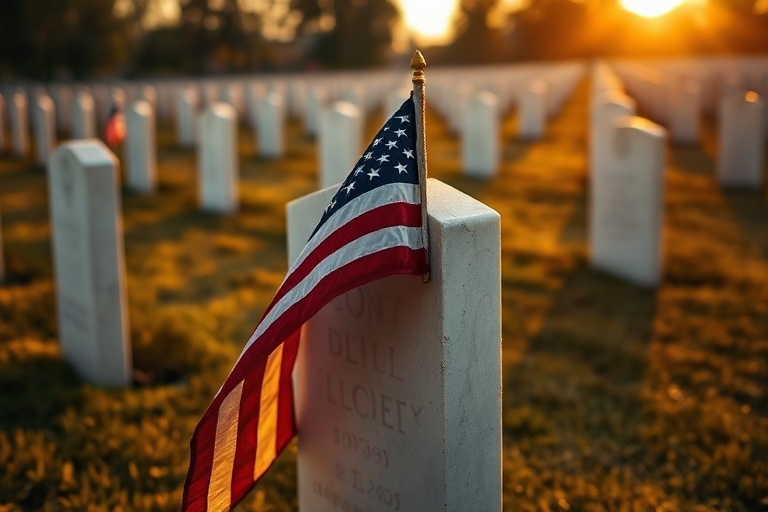
Memorial Day traditions have evolved over time, blending historical customs with modern expressions of patriotism and community. One of the most enduring practices is the decoration of graves with American flags, flowers, and wreaths. National cemeteries, such as Arlington in Virginia, become sea of color each year as volunteers place flags on each headstone.
Another hallmark of the holiday is the National Memorial Day Parade in Washington, D.C. Held annually since 2005, it features marching bands, floats, military units, and veterans’ organizations marching down Constitution Avenue. The parade draws thousands of spectators and is broadcast nationally, reinforcing the holiday’s significance in the public consciousness.
The tradition of wearing red poppies originated from the poem “In Flanders Fields,” written during World War I. The poppy became a symbol of remembrance in the U.S. and other Allied nations, with veterans’ groups distributing artificial poppies as a fundraiser. Today, poppies are worn on lapels across the country in the weeks leading up to Memorial Day.
Many families visit cemeteries to place flowers or flags on the graves of loved ones who served. Others attend memorial services at local churches or veterans’ halls. The 3:00 PM local time moment of silence, established by federal law in 2000, serves as a unifying national pause for reflection.
Yet, as with any long-standing tradition, Memorial Day observance has faced challenges. The rise of commercialization and the association with summer leisure have led some to question whether the holiday has lost its solemn purpose. In response, organizations like the National Moment of Remembrance and veterans’ groups continue to advocate for a return to the holiday’s original intent—one of reverence and gratitude.
Why Memorial Day Matters Today
In an era of rapid change and global uncertainty, Memorial Day remains a vital reminder of the sacrifices made by millions of Americans in defense of freedom and democracy. It is a day that challenges each generation to consider not only the cost of war but also the value of peace. For families of fallen service members, the holiday is deeply personal—a day of both profound grief and enduring pride.
The holiday also serves as a bridge between past and present. It connects Americans to the stories of those who came before them: the soldiers of the Revolution, the Civil War, World War I and II, Korea, Vietnam, Iraq, and Afghanistan. These stories are not just history—they are living memories that shape national identity and civic responsibility.
Moreover, Memorial Day invites reflection on the responsibilities of citizenship. It asks each person to consider what freedom means, what it costs, and what it requires. In a time when global conflicts continue and new generations of service members serve, the holiday’s message is as relevant as ever.
As communities across the country gather this Memorial Day, they do so not only to honor the dead but to affirm a shared commitment to the living—to the ideals of liberty, justice, and the common good. Whether through a parade, a moment of silence, or a quiet visit to a gravesite, the act of remembrance is a powerful force for unity and purpose.
In this way, Memorial Day transcends its origins. It becomes more than a federal holiday—it is a living tradition, a call to memory, and a promise to the future.