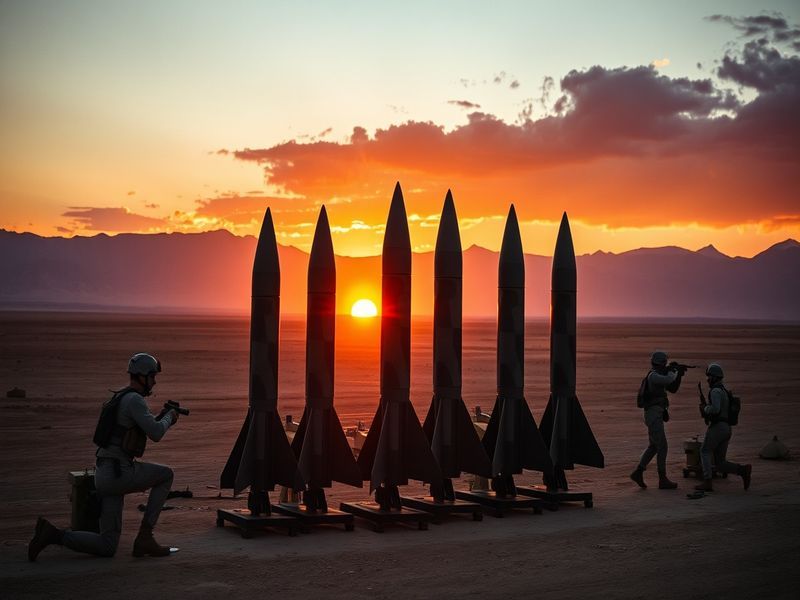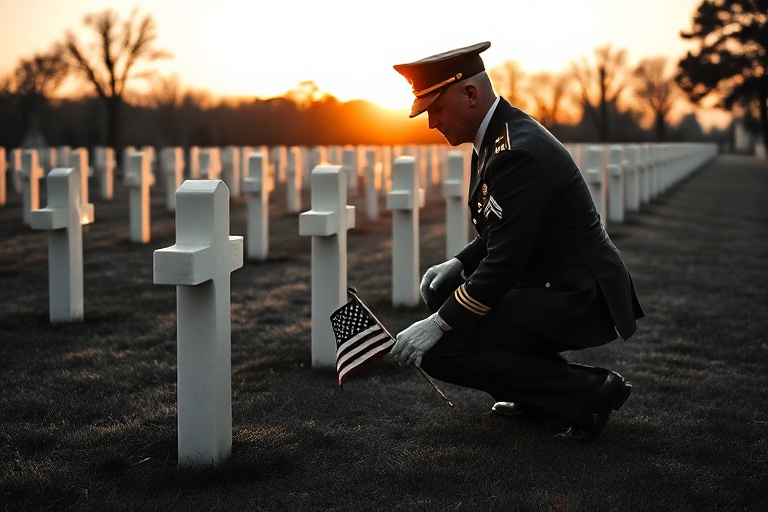
Memorial Day, observed on the last Monday of May in the United States, is more than just the unofficial start of summer. It is a solemn day of remembrance dedicated to honoring military personnel who have died in the performance of their military duties. While its origins are deeply rooted in American history, the themes of sacrifice and remembrance resonate globally, connecting cultures through shared values of honor and respect for the fallen.
The holiday traces its origins to the aftermath of the Civil War, a conflict that claimed more American lives than any other in history. In 1868, General John A. Logan of the Grand Army of the Republic declared May 30 as Decoration Day, a time for families to decorate the graves of fallen soldiers with flowers and flags. Over time, the observance evolved into Memorial Day, expanding to honor all American military personnel who have died in service, not just those from the Civil War.
The Global Tapestry of Remembrance
While Memorial Day is uniquely American, many nations have their own days of remembrance that echo similar themes. In the United Kingdom, Remembrance Sunday falls on the second Sunday of November, marked by ceremonies at the Cenotaph in London and the wearing of poppies to honor the war dead. Australia and New Zealand observe Anzac Day on April 25, commemorating those who served in the Australian and New Zealand Army Corps during World War I.
These observances share common elements: moments of silence, the laying of wreaths, and the playing of bugle calls like “The Last Post.” Yet each reflects the unique historical experiences of its people. For instance, Germany’s Volkstrauertag, or “People’s Day of Mourning,” held two Sundays before Advent, focuses on all victims of war and tyranny, including civilians. This broader scope highlights how remembrance evolves to encompass diverse narratives of loss.
Cultural Rituals and Symbols
Symbols play a powerful role in Memorial Day observances worldwide. In the United States, flags are flown at half-staff until noon, and red poppies, inspired by the World War I poem “In Flanders Fields,” are worn as a sign of remembrance. In Canada, the poppy is similarly significant, worn during the week leading up to Remembrance Day on November 11.
The act of decorating graves is a universal tradition. In Mexico, families visit cemeteries on Día de los Muertos to clean and adorn graves with marigolds, candles, and offerings. Though not a military holiday, the ritual underscores a cultural reverence for the dead that parallels Memorial Day’s purpose. Similarly, in Japan, the Obon festival in August honors ancestors with lanterns and dances, blending Buddhist traditions with a communal spirit of remembrance.
The Role of Memorials and Public Spaces
Public memorials serve as focal points for remembrance, often becoming places of pilgrimage and reflection. The Vietnam Veterans Memorial in Washington, D.C., with its stark black granite wall inscribed with the names of over 58,000 fallen soldiers, invites visitors to touch the names and leave offerings. Its design emphasizes the individuality of each loss within a collective tragedy.
Across the globe, memorials often reflect the values and identity of a nation. The Australian War Memorial in Canberra combines a museum, archive, and shrine, emphasizing education alongside commemoration. In France, the Arc de Triomphe stands as a monument to the unnamed soldiers of the French Revolution and Napoleonic Wars, its eternal flame rekindled daily by veterans’ associations.
These spaces are not static; they evolve as societies confront new conflicts and questions. The National September 11 Memorial in New York, for example, incorporates the footprints of the Twin Towers as voids filled with cascading water, symbolizing loss and renewal. Such designs challenge visitors to engage with history in visceral ways, ensuring that remembrance remains relevant across generations.
Memorial Day in the Digital Age
Technology has transformed how societies remember, offering new ways to connect with the past. Social media platforms now host virtual memorials, where users share stories and images of loved ones who served. Hashtags like #MemorialDay and #NeverForget facilitate global conversations, allowing individuals to participate in remembrance regardless of geography.
Virtual reality (VR) is also emerging as a tool for education and empathy. Projects like the American Battle Monuments Commission’s VR experiences allow users to “visit” overseas cemeteries and memorials, offering a glimpse into the final resting places of American service members. Similarly, interactive timelines and digital archives, such as the Library of Congress’s Veterans History Project, preserve personal narratives that might otherwise fade.
Yet digital remembrance also raises questions about authenticity and depth. Can a tweet or a Facebook post truly honor the complexity of sacrifice? While technology broadens participation, it risks reducing solemnity to performative gestures. The challenge lies in balancing accessibility with respect, ensuring that digital tributes do not overshadow the lived experiences they represent.
A Call to Reflection and Action
Memorial Day, and the global traditions it inspires, is ultimately about more than the past. It is a call to reflect on the cost of conflict and the value of peace. In an era where war and political violence persist, these observances remind us of the human lives behind statistics and headlines.
They also challenge us to consider how we honor the living. Veterans’ organizations worldwide advocate for better mental health support, job training, and housing for those who return from service. Memorial Day can thus become a catalyst for action, bridging remembrance with tangible efforts to improve lives.
As societies grow more diverse, so too do the narratives of remembrance. Memorial Day invites inclusion, encouraging communities to recognize not only their own fallen but also those from allied nations or marginalized groups whose contributions have often been overlooked. This expansive view fosters empathy and strengthens the shared resolve to prevent future loss.
In the end, Memorial Day is a testament to the power of collective memory. Whether marked by a moment of silence, the laying of a wreath, or a quiet visit to a family grave, its rituals remind us that sacrifice demands recognition. And in recognizing that sacrifice, we affirm the enduring value of human life.
This article was written for Dave’s Locker, exploring the global dimensions of Memorial Day and its cultural significance.