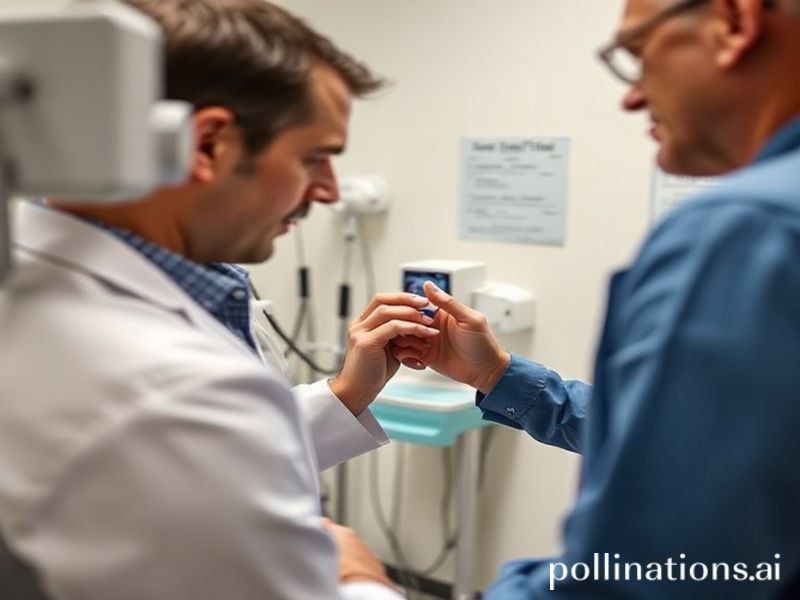
Understanding National Doctors Day
National Doctors Day is observed annually on March 30 in the United States. This day serves as a dedicated occasion to recognize and appreciate the contributions of physicians to society. Established in 1933, it has evolved into a significant event that highlights the vital role doctors play in our communities.
On this day, various activities unfold to honor medical professionals. Hospitals often hold special events, patients express their gratitude, and organizations may host educational sessions. The observance encourages a collective acknowledgment of the hard work and dedication that doctors exhibit daily.
The Origins of National Doctors Day
The inception of National Doctors Day traces back to a small town in Georgia. The idea was first proposed by Eudora Brown Almond, the wife of a physician, Dr. Charles B. Almond. She aimed to create a day that would honor doctors for their service and commitment to patient care. The first observance included sending cards and flowers to physicians.
In 1990, President George H.W. Bush officially proclaimed March 30 as National Doctors Day. This recognition elevated the day from a local celebration to a national observance, allowing it to gain significant visibility and importance across the country.
Key Points to Recognize on National Doctors Day
As National Doctors Day approaches, it is essential to reflect on several key aspects that define this observance:
- Appreciation of Service: Acknowledging the long hours and emotional labor that doctors invest in their work.
- Advancements in Medicine: Celebrating the innovations and breakthroughs that physicians contribute to healthcare.
- Community Engagement: Encouraging local communities to participate in events that honor medical professionals.
- Health Awareness: Utilizing the day to promote health education and preventive care initiatives.
These points emphasize the multifaceted nature of National Doctors Day, illustrating its significance beyond mere appreciation. It serves as a reminder of the ongoing relationship between healthcare providers and the communities they serve.
The Broader Implications of National Doctors Day
Observing National Doctors Day carries broader implications for healthcare systems and communities. It provides an opportunity to address the challenges faced by medical professionals, such as burnout and mental health issues. In recent years, the COVID-19 pandemic has placed immense pressure on healthcare workers, making recognition and support more crucial than ever.
Additionally, this day can serve as a platform for advocating for better working conditions and resources for physicians. By highlighting the sacrifices doctors make, communities can rally for policies that protect their well-being and enhance patient care. This can lead to a more sustainable healthcare system where both patients and providers thrive.
Conclusion: Celebrating the Unsung Heroes
National Doctors Day is not merely a date on the calendar; it is a vital reminder of the dedication and expertise that physicians bring to our lives. As society continues to navigate complex health challenges, recognizing the contributions of doctors becomes even more significant. This observance fosters a culture of appreciation, encouraging both patients and healthcare systems to prioritize the well-being of medical professionals.
In celebrating National Doctors Day, we acknowledge the unsung heroes who work tirelessly to improve our health, often at great personal sacrifice. By honoring their commitment, we can collectively work towards a healthier future for all.