How Drinks Are Evolving in Health, Tech, and Craft Trends
“`html
From Soda to Spirits: The Ever-Changing World of Drinks
The global beverage industry is worth over $1.5 trillion, a figure that grows each year as consumers demand more variety, convenience, and innovation. Drinks are no longer just about quenching thirst—they reflect cultural shifts, technological advancements, and evolving health priorities. From the rise of craft cocktails to the decline of sugary sodas, the drinks landscape is in constant motion. This transformation isn’t just about flavor; it’s about identity, sustainability, and even science.
The Rise of Functional and Low-Sugar Options
Health-conscious consumers have reshaped the beverage market, pushing brands to reformulate classic drinks. The decline of high-fructose corn syrup in sodas and the surge of zero-calorie sweeteners mark a significant shift. Companies like Coca-Cola and Pepsi now offer lines like Coke Zero Sugar and Pepsi Zero Sugar, targeting diet-conscious drinkers without sacrificing taste. Yet, the real innovation lies in functional beverages—drinks fortified with vitamins, probiotics, or adaptogens.
These products blur the line between hydration and wellness. Brands such as Olipop and Poppi market their sodas as gut-friendly, leveraging prebiotics and fiber. The appeal is clear: consumers want beverages that do more than hydrate—they want them to enhance well-being. This trend has even influenced alcohol, with hard seltzers and low-calorie beers gaining traction among health-focused drinkers.
Functional drinks are not without controversy. Critics argue that some products overpromise health benefits, while others question the long-term effects of artificial sweeteners. Regulatory bodies continue to scrutinize these claims, ensuring that marketing doesn’t outpace science. Still, the demand for transparency and efficacy shows no signs of slowing.
The Craft Movement: Alcohol’s Quiet Revolution
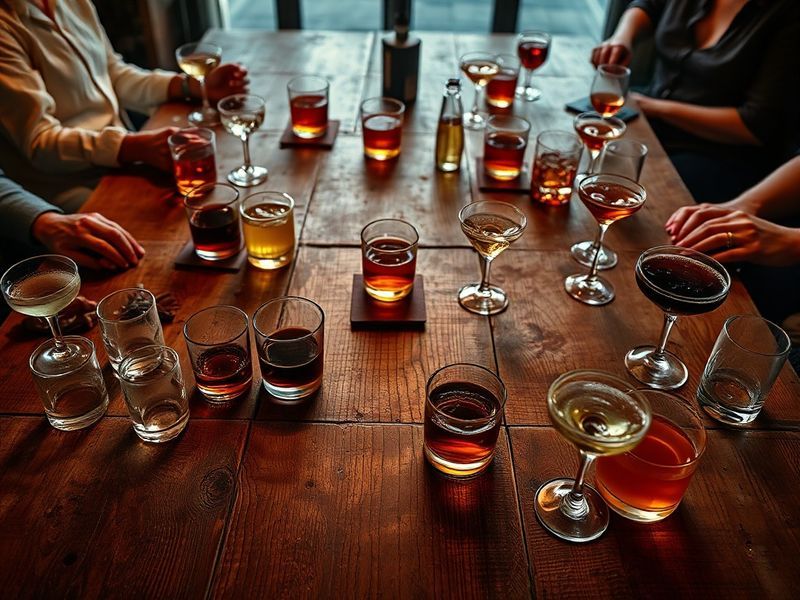
Craft beer, once a niche hobby, now commands a significant share of the alcoholic beverage market. In the U.S., craft breweries contributed over $80 billion to the economy in 2023, according to the Brewers Association. This growth reflects a broader cultural shift toward artisanal, locally sourced products. Consumers are increasingly drawn to limited-edition brews, small-batch distilleries, and transparent supply chains.
The craft movement extends beyond beer. Distilleries are experimenting with heirloom grains, wild yeasts, and unconventional aging processes. Gin, once a straightforward spirit, now features botanical blends that read like cocktail recipes. Tequila, too, has seen a surge in demand, driven by premium sipping trends and celebrity-backed brands. Even non-alcoholic spirits, like Seedlip and Lyre’s, are carving out space in a market traditionally dominated by beer and wine.
This shift isn’t just about taste—it’s about storytelling. Craft producers emphasize heritage, craftsmanship, and community. They invite consumers to become part of the narrative, whether through brewery tours or subscription services. The result is a more engaged, discerning audience willing to pay premium prices for quality.
Key Trends in the Craft Beverage Space
- Local Sourcing: Breweries and distilleries prioritize ingredients from nearby farms, reducing carbon footprints and supporting local economies.
- Experimental Flavors: From hoppy IPAs to smoky mezcals, unconventional profiles dominate tasting menus.
- Sustainability: Eco-friendly packaging, water conservation, and waste reduction are core values for many craft producers.
- Direct-to-Consumer Sales: Online stores and subscription boxes allow small brands to bypass traditional distribution channels.
- Collaborations: Cross-industry partnerships, like breweries teaming up with coffee roasters, create unique product mashups.
Technology’s Role in Shaping What We Drink
Technology is transforming how drinks are made, marketed, and consumed. In production, automation and AI optimize fermentation times, flavor profiles, and quality control. Companies like Perfect Day use precision fermentation to create animal-free dairy proteins, paving the way for cruelty-free milk and cheese alternatives. Even coffee is getting a tech upgrade, with companies like Atomo using upcycled ingredients to replicate the taste of traditional beans without the environmental toll.
On the retail side, e-commerce and subscription models have democratized access to niche beverages. Platforms like Drizly and ReserveBar deliver craft beers, wines, and spirits to doorsteps, while brands like Flaviar curate tasting boxes tailored to individual preferences. Social media, too, plays a pivotal role. TikTok’s viral drink recipes—like Dalgona coffee or whipped coffee—have sent ingredient sales soaring overnight. Meanwhile, influencer partnerships help small brands reach global audiences in a matter of days.
Yet, technology’s impact isn’t without challenges. The rise of counterfeit alcohol, fueled by online marketplaces, poses serious health risks. Blockchain is emerging as a solution, with companies like Chronicled using it to verify the authenticity of high-end spirits. As AI-generated recipes and synthetic flavors become more sophisticated, ethical questions arise about what constitutes a “real” drink.
The Future: Sustainability, Personalization, and Beyond
The next frontier for drinks lies in sustainability and personalization. Edible packaging, like Notpla’s seaweed-based pouches, could eliminate single-use plastics. Companies are also exploring carbon-negative brewing, where breweries capture more CO₂ than they emit. On the consumer end, AI-driven apps now recommend drinks based on mood, diet, or even genetic predispositions. Imagine a soda that adjusts its flavor profile in real-time to match your stress levels.
The plant-based movement is another area to watch. Oat milk lattes and almond milk cold brews have already disrupted the coffee industry. Now, startups are developing plant-based alternatives to wine, beer, and even whiskey, using ingredients like barley, grapes, and oak. These products cater to flexitarians, vegans, and the environmentally conscious alike.
Yet, the most exciting developments may come from unexpected places. Fermented drinks like kombucha and kefir, once relegated to health food stores, are now mainstream. Ancient brewing techniques, such as Nordic mead-making or Japanese sake production, are experiencing revivals. The drinks of tomorrow may look nothing like what we sip today—but they’ll likely share one trait: a deep connection to tradition, innovation, and community.
As the beverage industry evolves, one thing is certain: drinks will continue to reflect the values and aspirations of society. Whether it’s a craft IPA brewed in Brooklyn, a zero-waste kombucha from Portland, or a lab-grown coffee from Singapore, the next great drink will be as much about the story behind it as the taste on the palate.
For those eager to explore these trends, Dave’s Locker’s Food category offers a curated selection of articles on culinary innovation, while the Health section dives deeper into the wellness aspects of modern beverages.