How Drinks Shape Culture, Health and the Planet
“`html
From Rituals to Routines: The Evolving Role of Drinks in Society
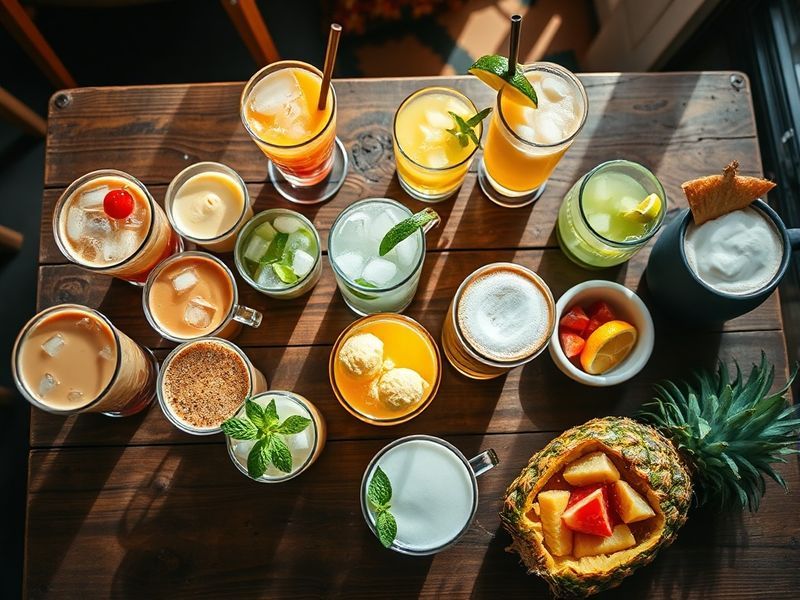
Drinks are more than just liquids in a glass—they carry history, culture, and personal meaning. Whether consumed for nourishment, celebration, or comfort, beverages shape social interactions and individual habits in ways that often go unnoticed. From ancient fermentation rituals to modern wellness trends, the story of drinks reflects broader shifts in human behavior and societal values.
The global beverage industry, valued at over $1.5 trillion, demonstrates how deeply embedded these products are in daily life. Yet, the role of drinks extends beyond commerce. They serve as markers of identity, tools for connection, and even symbols of resistance. Understanding this evolution offers insight into how something as simple as a sip can carry such weight.
The Cultural Significance of Drinks
Historically, drinks have played a central role in human rituals. Ancient civilizations brewed fermented beverages not only for sustenance but also for spiritual and communal purposes. Mead, for example, was a staple in Norse and Celtic cultures, often associated with feasts and storytelling. Similarly, tea ceremonies in East Asia transformed drinking into a meditative practice, emphasizing mindfulness and respect.
Today, these traditions persist in modified forms. Coffee culture, for instance, has evolved into a global phenomenon where the act of brewing and sharing coffee fosters connection. Starbucks and other chains have turned coffee into a lifestyle accessory, while specialty cafés emphasize artisanal quality and ethical sourcing. Meanwhile, alcohol remains tied to rites of passage—birthdays, weddings, and even business deals are often sealed with a drink.
The rise of non-alcoholic alternatives further illustrates this cultural shift. Mocktails and alcohol-free beers cater to health-conscious consumers and those who abstain for personal or religious reasons. These options challenge the long-standing association between drinks and social bonding, proving that connection doesn’t always require intoxication.
The Psychology Behind Our Drink Choices
What we choose to drink—and when—often reveals deeper psychological motivations. Studies suggest that beverage preferences can reflect personality traits. Extroverts may gravitate toward bold flavors like espresso or craft beer, while introverts might prefer herbal teas or warm milk. Cultural background also plays a role; in some societies, tea symbolizes hospitality, while in others, coffee signifies productivity.
Marketing amplifies these tendencies. Brands leverage color, aroma, and even packaging to evoke specific emotions. The golden hue of a latte can feel comforting, while the effervescence of sparkling water might suggest energy. Even the sound of a can opening or a glass clinking is carefully engineered to create anticipation.
Health trends also influence psychology. The decline of sugary sodas in favor of sparkling water or kombucha reflects growing awareness of long-term wellness. Yet, paradoxically, the wellness industry has introduced its own pressures. Cold-pressed juices and adaptogenic lattes are marketed as essential for optimal living, turning hydration into a performance metric.
Key Factors Influencing Drink Preferences
- Cultural upbringing: Childhood exposure to certain beverages shapes lifelong habits.
- Social context: Peer groups and workplace norms dictate acceptable drink choices.
- Sensory appeal: Taste, smell, and texture trigger subconscious preferences.
- Health perceptions: Nutritional trends sway decisions toward or away from certain drinks.
- Economic factors: Price points and accessibility limit or expand options.
The Environmental Impact of Our Beverage Habits
The environmental cost of drinks is staggering. Single-use plastic bottles contribute to ocean pollution, while coffee cultivation drives deforestation. The carbon footprint of transporting water across continents—sometimes from remote springs—highlights the absurdity of modern consumption patterns. Even seemingly eco-friendly options like oat milk face scrutiny over land and water usage.
Fortunately, sustainability is becoming a priority for both consumers and producers. Reusable bottles, compostable packaging, and local sourcing are gaining traction. Brands like Dave’s Locker’s food and drink section highlight ethical choices, from fair-trade coffee to regenerative agriculture wines.
The shift toward sustainability isn’t just ethical—it’s economic. Younger generations, particularly Gen Z, prioritize brands with transparent, eco-conscious practices. This demand is pushing the industry toward innovation, from algae-based packaging to carbon-neutral breweries.
The Future of Drinks: Innovation and Tradition
As technology advances, so do our drink options. Lab-grown coffee, precision fermentation, and even synthetic beverages are on the horizon. These innovations promise to reduce environmental harm while meeting demand. Yet, they also raise questions about authenticity. Can a lab-created drink ever replicate the ritual of a morning pour-over?
Simultaneously, traditional beverages are experiencing a renaissance. Ancient grains like millet and sorghum are being rediscovered for their nutritional benefits and gluten-free properties. Fermented drinks like kefir and jun are gaining popularity for their probiotic qualities, blending folk wisdom with modern science.
The future may lie in balance—leveraging technology to enhance tradition rather than replace it. Imagine a coffee grown in a vertical farm using 90% less water, or a kombucha brewed with locally foraged ingredients. These possibilities suggest that the drinks of tomorrow could honor the past while embracing innovation.
Trends Shaping the Future of Drinks
- Functional beverages: Drinks fortified with vitamins, nootropics, or CBD cater to specific wellness goals.
- Zero-waste models: Companies are exploring closed-loop systems where waste from one product becomes raw material for another.
- Hyper-local sourcing: Consumers increasingly seek drinks made within 50 miles of their homes.
- Digital integration: Smart bottles that track consumption or AR labels that share sourcing stories are entering the market.
- Nostalgia-driven revival: Retro drinks like sassafras tea or cream soda are making comebacks in craft form.
Conclusion: Sipping Into the Future
Drinks are a mirror of society—reflecting our values, habits, and aspirations. They can be a source of joy, a health tool, or an environmental burden. As we navigate the complexities of modern life, our beverage choices will continue to evolve, shaped by science, culture, and conscience.
The most sustainable and fulfilling approach may lie in intentionality. Whether it’s savoring a single-origin coffee, supporting a local brewery, or opting for tap water in a reusable bottle, small decisions add up. After all, a drink is never just a drink. It’s a story—one that connects us to the past, defines our present, and shapes our future.
For more on how drinks intersect with culture and daily life, explore Dave’s Locker’s food and drink coverage.