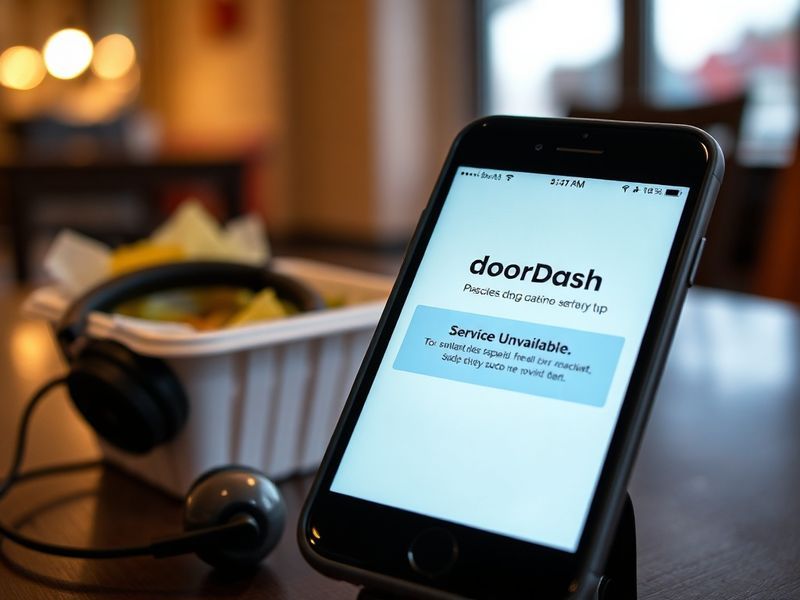
DoorDash, the dominant force in the global food delivery market, has become an indispensable service for millions. With operations spanning over 7,000 cities across the United States, Canada, Australia, and Japan, its reliability is often taken for granted—until it isn’t. When DoorDash goes down, whether due to server outages, app crashes, or regional disruptions, the ripple effects are immediate and widespread. Restaurants lose orders. Couriers miss shifts. Hungry customers stare at loading screens. The question “Is DoorDash down?” becomes urgent in those moments of digital silence.
The stakes are higher than missed meals. For gig workers, DoorDash represents a primary income source. For local eateries, it’s a lifeline to broader customer bases. And for consumers, it’s convenience at the tap of a screen. When the platform falters, the disruption isn’t just technical—it’s economic and social. This article explores how to verify outages, understand their causes, and navigate the aftermath when DoorDash fails.
How to Check If DoorDash Is Down
Before panicking about a missing burrito or delayed groceries, confirm whether the issue lies with DoorDash or your device. The fastest way to do this is by using third-party outage trackers or DoorDash’s own status page. These tools aggregate real-time data from multiple sources to detect widespread service disruptions.
- DownDetector: A popular outage tracker that visualizes user reports on a map. A spike in red dots often signals a problem.
- Downdetector.com/doordash: The dedicated DoorDash page shows recent complaints and outage trends.
- IsItDownRightNow: Checks server responsiveness and provides uptime statistics.
- Twitter/X: Searching “#doordashdown” or “DoorDash not working” reveals real-time user frustrations and official responses.
DoorDash also maintains a status page, though it tends to underreport issues compared to user-driven platforms. Still, it’s the most authoritative source for official statements on server maintenance or regional outages.
Common Reasons DoorDash Goes Down
Outages rarely happen without cause. Understanding the triggers helps users anticipate disruptions and adjust expectations. Server overloads are a frequent culprit, especially during peak hours like lunch, dinner, or major sporting events such as the Super Bowl or NBA Finals. When too many users flood the app simultaneously, response times slow, and crashes become likely.
Technical failures also play a role. Glitches in payment processing, GPS mapping, or restaurant integrations can bring parts of the service to a halt. In 2023, a routing software update caused widespread delivery delays in multiple U.S. cities, leaving couriers stranded and customers confused. Such incidents highlight the fragility of interconnected digital systems.
Regional disruptions extend beyond technology. Natural disasters, power outages, or labor strikes can force DoorDash to pause operations in specific areas. For example, during heavy snowstorms in the Northeast, DoorDash often suspends deliveries due to unsafe road conditions—protecting couriers but frustrating users.
- Server Overload: High demand during holidays or major events.
- Technical Glitches: Software bugs in payment or routing systems.
- Regional Disruptions: Weather, strikes, or local regulations.
- Cybersecurity Incidents: DDoS attacks or data breaches (rare but impactful).
Global Impact: How Different Countries React to DoorDash Outages
DoorDash’s presence varies by region, and so do the consequences of outages. In the U.S., where DoorDash dominates the market, a crash feels like a public utility failure. Social media erupts with memes and complaints, and competitors like Uber Eats or Grubhub see temporary surges in demand. American consumers, accustomed to instant gratification, are often the most vocal during disruptions.
In Canada, where DoorDash competes closely with SkipTheDishes, outages create opportunities for rival platforms to capture frustrated users. Toronto and Vancouver residents may switch to local alternatives when DoorDash stumbles, testing brand loyalty in a competitive market.
Australia presents a different dynamic. With a smaller population and fewer delivery options, DoorDash holds near-monopoly status in cities like Sydney and Melbourne. When the app fails, consumers have fewer alternatives, leading to greater frustration but also quicker outcry to customer service.
Japan, where DoorDash entered later, faces cultural and logistical challenges. Outages here are less about volume and more about precision. Japanese consumers expect punctuality and reliability—qualities that resonate deeply in a culture where timeliness is tied to respect. A delayed delivery during a typhoon season isn’t just inconvenient; it’s a breach of social norms.
What to Do When DoorDash Is Down
Panic doesn’t help, but preparation does. If you suspect an outage, avoid repeatedly tapping the app—it won’t speed up recovery and may worsen the issue. Instead, take these steps:
- Switch to Alternatives: Check Uber Eats, Grubhub, or local delivery services. Many have overlapping restaurant partnerships.
- Contact the Restaurant Directly: Some eateries allow direct ordering via phone or website, bypassing the app entirely.
- Check Coupon Codes Elsewhere: Promotions on social media or email newsletters may still be valid.
- Wait It Out: If the outage is minor or under repair, patience is often the best strategy.
- Leave Feedback: DoorDash values user reports, especially during outages. Your voice may help prioritize fixes.
For gig workers, outages mean lost earnings. DoorDash typically doesn’t compensate couriers for downtime unless the outage is prolonged and officially acknowledged. Some regions have pushed for better labor protections, but for now, workers must rely on alternative gigs or shift their schedules when the app fails.
Can You Trust DoorDash’s Reliability in the Long Term?
DoorDash’s growth has been meteoric, but its reliability remains a work in progress. The company invests heavily in infrastructure, expanding server capacity and hiring technical teams to monitor performance. Yet, as it expands into groceries, convenience stores, and even alcohol delivery, the complexity of its operations increases. More moving parts mean more points of failure.
Consumer trust is fragile. A single high-profile outage during a major event—like the recent Super Bowl halftime show—can erode confidence overnight. DoorDash’s response to these crises, including transparent communication and rapid fixes, will determine whether users remain loyal during future disruptions.
For now, the answer to “Is DoorDash down?” remains a moving target. Outages happen. They always have, and they always will. But in a world where instant delivery defines convenience, the expectation for flawless service is only growing. Whether DoorDash can meet that expectation may define its next chapter.
In the meantime, keep the app updated, save a backup delivery service’s number, and maybe—just maybe—learn to cook one meal without relying on an algorithm.
For more on the gig economy and digital services, explore our Technology and Business sections.